


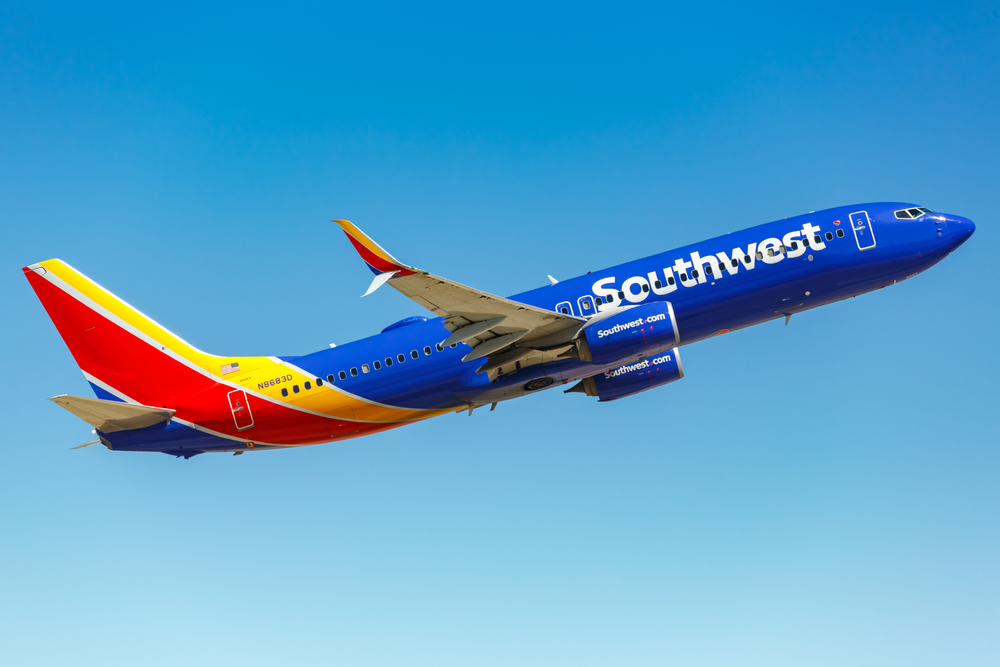
A routine night at Baltimore/Washington International Thurgood Marshall Airport turned into an investigation scene after two Southwest Airlines aircraft made contact while pushing back from adjacent gates.
The incident, which happened around 10:30 p.m. on the airport ramp, involved Southwest Flight 1048 bound for Connecticut and Southwest Flight 562 headed to Houston. Both jets clipped wings during ground movement, causing visible damage but no injuries.
Operations at the gate area were briefly disrupted as both aircraft were removed from service for inspection.
The situation has now drawn the attention of federal regulators, with the Federal Aviation Administration opening a formal review into how two commercial aircraft came into contact during what is normally a tightly controlled phase of airport operations.
FAA opens investigation into BWI ground collision
The FAA is examining how the wingtip contact occurred during simultaneous pushback operations at Baltimore/Washington International Thurgood Marshall Airport.
Early reports suggest both aircraft were moving from nearby gates at the same time, leaving limited clearance between their wings. Investigators are focusing on whether spacing between gate positions was sufficient and whether timing and communication during pushback contributed to the incident.
Ground operations at busy airports like BWI often depend on precise coordination between pilots, ramp crews and controllers. While aircraft are guided out of gates by ground personnel, communication is not always continuous with air traffic control during pushback, which can create blind spots in coordination.
Officials are also reviewing whether procedural gaps played a role in the timing of the movements that led to the contact.
Southwest responds after aircraft removed from service
Southwest confirmed both planes were immediately grounded following the incident. The airline said safety remains its top priority and that inspections were underway to assess the extent of the damage.
No passengers or crew members were injured, but the incident forced rebooking and schedule adjustments for affected travelers. Some passengers reported confusion at the gate before being instructed to switch aircraft.
The airline is cooperating with federal authorities as part of the ongoing investigation while conducting its own internal review.
Audio captured from air traffic monitoring systems indicates that one pilot notified ground personnel after realizing the aircraft had made contact. The report suggests the crew requested clearance to taxi back for inspection shortly afterward.
Southwest BWI incident highlights ground safety risks
While runway incidents often draw the most attention, ground collisions like this remain a known risk in commercial aviation.
Modern passenger aircraft can have wingspans exceeding 100 feet, meaning even slight misalignment during pushback can create clearance issues in tight gate areas. Airports rely heavily on ramp staff, wing walkers and strict positioning protocols to prevent contact.
Still, congestion during peak operations and simultaneous departures can increase the chance of miscalculations.
Aviation experts note that these incidents are rare compared to the overall number of daily flights in the United States, but they are taken seriously due to potential damage costs and safety implications.
What happens next in the investigation
The FAA review will focus on several key areas, including gate spacing, pushback timing and communication protocols between airline staff and airport operations teams.
Investigators will also examine whether any changes are needed in ramp coordination procedures at BWI or similar high traffic airports.
Findings from the investigation could lead to updated ground handling rules or adjustments in how airlines coordinate simultaneous departures from adjacent gates.
For now, both aircraft remain under inspection while Southwest and federal officials work to determine exactly how the wingtip contact occurred.
The incident serves as a reminder that even routine airport movements require precise coordination, where small timing errors can quickly turn into costly disruptions.
