


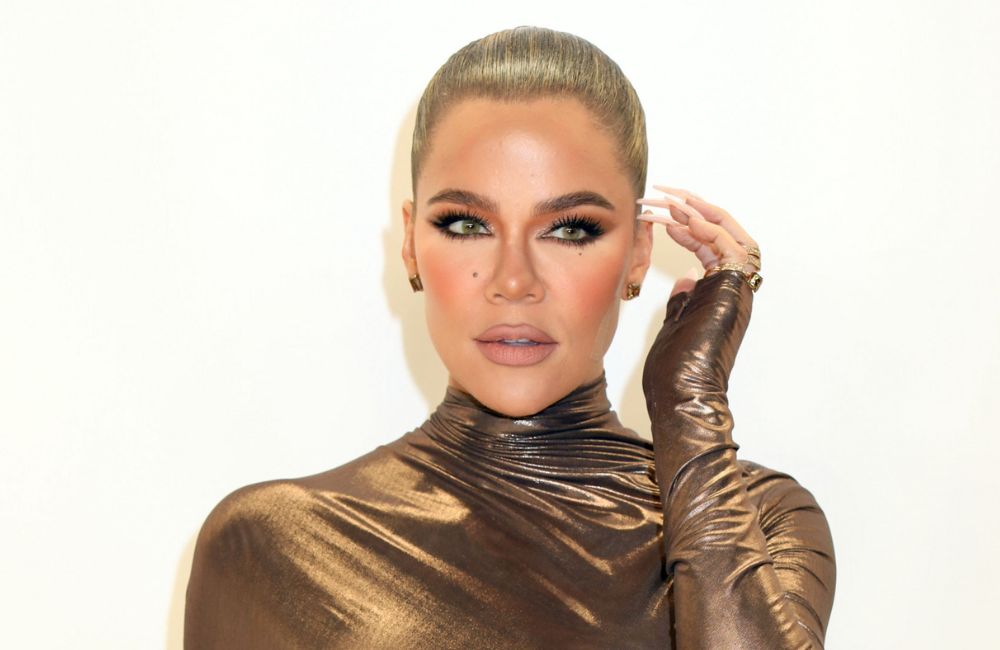
There is catching a partner cheating and then there is being physically present when it happens. Khloe Kardashian knows the difference between those two experiences, and in a recent podcast appearance she walked through the latter in detail, describing a confrontation that left visible marks and a much longer lasting impression.
Kardashian, now 41, married former NBA player Lamar Odom in 2009 in what quickly became one of the more high-profile celebrity unions of that era. The marriage, which played out partly on reality television, ended in 2016. But years before the formal conclusion, there was a night that Kardashian says represented a turning point, a moment she describes as one of the rawest of her life.
She was 26 at the time, placing the incident in the early 2010s. She had reason to believe Odom was at a motel and went there. The door opened. What followed was a physical confrontation intense enough to leave her knuckles visibly injured. The next day she attended a cowboy-themed event with her hands wrapped in bandannas, the marks still fresh. She did not say a word about what had happened the night before.
Khloe Kardashian on how women get judged for reacting
What Kardashian returned to most pointedly in the conversation was not the act of betrayal itself but what came after it, specifically how her response in that moment was received and remembered. She pushed back firmly on the idea that her reaction was the more troubling element of the story.
Her argument was direct. Women who respond with fury to infidelity are routinely labeled unstable or irrational, while the behavior that provoked the reaction receives comparatively little scrutiny. The anger, in her telling, was not a character flaw. It was a consequence. She was clear that she resents the framing that treats an extreme emotional response as though it materialized without cause, as though the person who created the situation bears no responsibility for what it produced.
She made the point with conviction, emphasizing that a reaction cannot be fairly evaluated without accounting for what preceded it. The confrontation at the motel did not come from nowhere. It came from a specific and deeply painful set of circumstances that she had not chosen and could not control.
Khloe Kardashian on the double standard she refuses to accept
The broader point she was making extended well beyond her own experience. Men, she argued, are afforded a kind of social flexibility when it comes to destructive or impulsive behavior that women are rarely extended in return. A woman’s emotional response to betrayal becomes the headline while the betrayal itself recedes into the background. That asymmetry is what she was pushing against.
It is a dynamic that many women recognize and few public figures discuss with this degree of candor. Kardashian’s willingness to name it directly, and to do so while describing one of the most humiliating moments of her personal life, gave the conversation a weight that went beyond celebrity disclosure.
By the time she finished walking through that night, the point had shifted from the specific details of what happened in a motel parking lot to something larger about how anger is gendered, how accountability is distributed unevenly and how the person left explaining themselves is rarely the one who created the situation worth explaining.
The marriage ended. The memory did not. And Khloe Kardashian appears to have decided that staying quiet about what it cost her is no longer something she is willing to do.
