


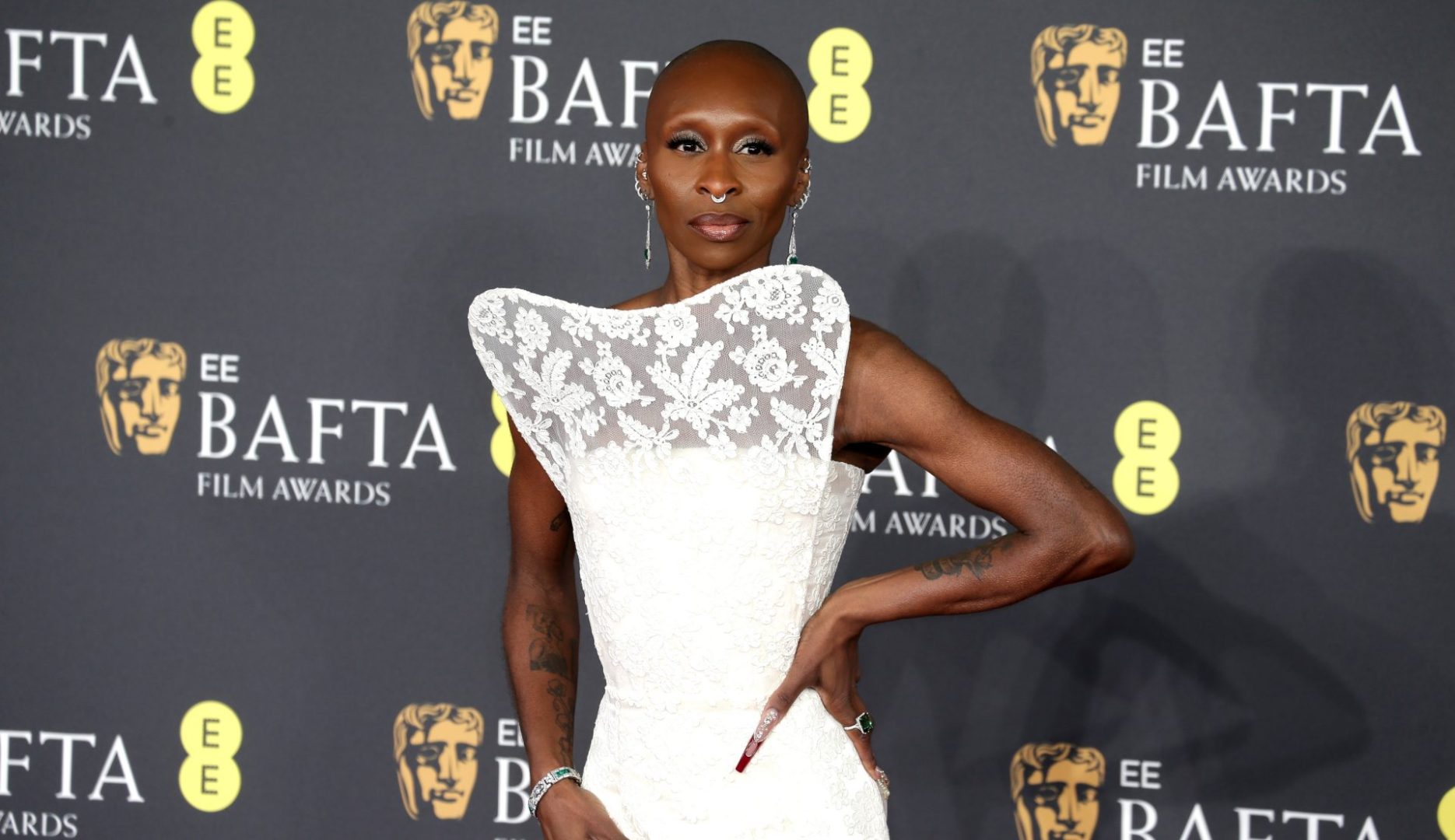
Four years is a long time to be anyone, let alone two of the most scrutinized women in entertainment. Cynthia Erivo is finally talking about what that stretch actually felt like, and the picture she paints is considerably more human than the polished press tour moments most people saw.
In a recent interview, the Tony Award-winning actress opened up about the final stages of promoting Wicked and its sequel Wicked: For Good, describing a period where both she and Ariana Grande were holding on by the thinnest of threads. The two were not performing closeness for cameras. They were genuinely leaning on each other to get through it.
What the public saw versus what was real
Erivo reflected on the strange experience of watching the internet construct an entire narrative about who she and Grande were, what they were feeling and how their dynamic actually functioned. Fans formed strong opinions early, and those opinions hardened into conclusions that did not always match reality.
She noted that many people seemed genuinely unsure whether the friendship was authentic, an assumption she found both revealing and frustrating. For Erivo, friendship is not something she performs. It is something she either fully inhabits or does not engage in at all. The bond with Grande fell squarely in the first category, and the two still exchange messages nearly every day.
Part of the confusion, she suggested, came from the nature of her craft itself. Playing Elphaba required her to completely disappear into a character for years, and some observers appeared to take what they saw on screen or in character as a window into who she actually was. The gap between performance and person turned out to be wider than many expected.
The Singapore moment that changed something
One of the most talked-about incidents from the entire Wicked promotional run occurred at the Singapore premiere of Wicked: For Good, when a man jumped over a barrier and grabbed Grande on the red carpet. Erivo moved immediately to intervene, pushing him away until he released her co-star.
What struck Erivo afterward was not the incident itself but the response to it online. Rather than being received as a natural human reaction to a frightening moment, the clip became fodder for mockery. And the specific targets of that mockery told a story she was not willing to let pass without comment.
The jokes centered on her appearance. Her physique, her body shape, her shaved head. There was an underlying assumption woven through much of the commentary that because of how she looked relative to Grande, a protective or even controlling role was simply what she was built for.
Erivo was direct about what she believed was driving that reaction. The mockery, she argued, reflected something specific and persistent about how Black women are perceived and reduced in public discourse. She anticipated pushback on that reading and acknowledged it plainly, but held her position firmly.
Exhaustion, perception and the cost of visibility
What Erivo is describing, taken together, is the cumulative weight of sustained public life at an extreme level of intensity. Four years of filming, press, scrutiny and misinterpretation left both women depleted in ways that were not visible to anyone watching from the outside.
The friendship that carried them through was real. The exhaustion was real. The frustration at being flattened into something simpler and more consumable than they actually were was real.
Erivo is not asking for sympathy. She is asking for a more honest reckoning with what it costs to show up fully, repeatedly, in spaces that do not always look back with equal generosity.
