


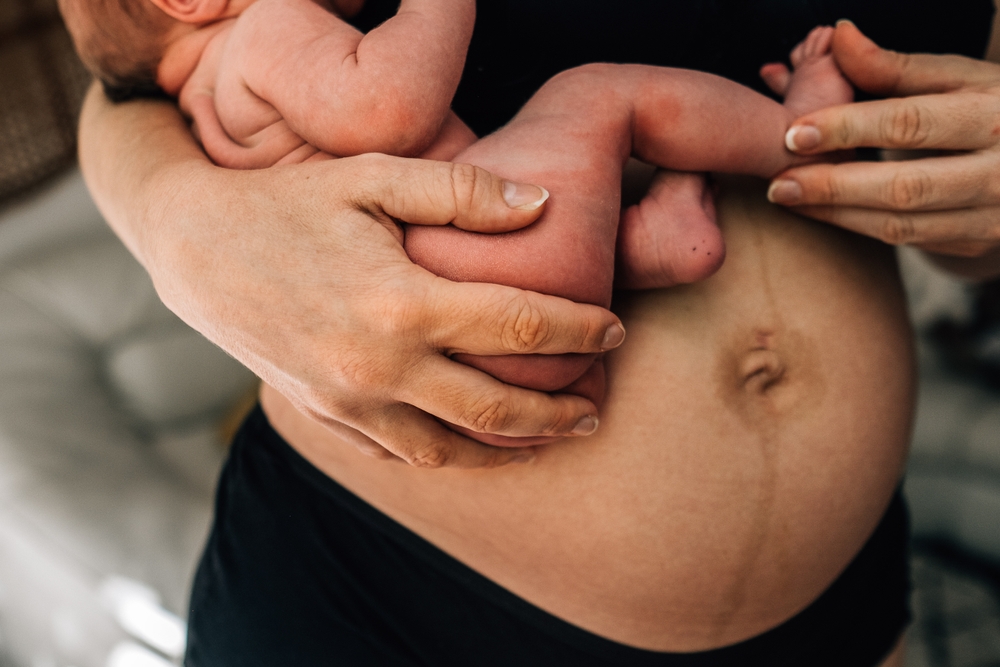
Postpartum body odor catches many new parents off guard, but medical experts are clear that it is one of the most common and expected physical changes that follow childbirth. The body undergoes a dramatic internal shift after delivery, and the resulting changes in scent and sweating are a natural byproduct of that process rather than a sign that something has gone wrong.
Several distinct factors contribute to what new parents experience in the weeks and months after giving birth, and understanding those factors can make the transition feel significantly less alarming.
What is actually driving the change in scent
The hormonal landscape of the postpartum period is unlike almost any other phase of adult life. Estrogen and progesterone drop sharply after delivery while prolactin rises to support milk production. That hormonal upheaval affects multiple systems in the body simultaneously, including mood, hair growth, libido and the way a person smells. The connection between hormones and body odor is direct and well established, and the postpartum version of that shift tends to be more pronounced than what most people have experienced before.
Beyond hormones, the body is also working to shed a significant amount of fluid accumulated during pregnancy. That fluid, which can amount to several pounds of amniotic material, blood and other bodily reserves, has to go somewhere after the baby arrives. Increased sweating is the primary mechanism the body uses to release it, and that sweating naturally contributes to changes in body odor.
Milk production adds another layer. As the body ramps up lactation, nighttime sweating often intensifies. Research and clinical observation both suggest that this shift in maternal scent may actually serve a biological function, helping newborns locate and orient toward their source of nourishment. The interaction between maternal pheromones and a baby’s saliva during feeding can produce unfamiliar smells that are surprising but entirely normal.
Postpartum bleeding and discharge, known medically as lochia, also contribute to the overall sensory experience of the fourth trimester. This discharge, which is a combination of blood, tissue and amniotic fluid, typically continues for up to six weeks after delivery and carries a distinct smell that is different from a regular menstrual cycle. It occurs regardless of whether the birth was vaginal or surgical, though the volume tends to be lighter following a cesarean.
Sleep deprivation and elevated stress hormones round out the picture. The physical and emotional demands of caring for a newborn keep the body in a heightened state that increases sweating and amplifies scent in ways that compound the hormonal and fluid-related changes already underway.
How long postpartum body odor typically lasts
The timeline varies but the destination is the same for most people: postpartum body odor resolves on its own as hormones rebalance. For those who are breastfeeding, that process takes longer because prolactin remains elevated and estrogen stays suppressed for the duration of nursing. The return of a regular menstrual cycle is generally a reliable signal that hormones are stabilizing and that postpartum odor changes are beginning to ease.
Practical ways to manage it in the meantime
Staying well hydrated is one of the most effective and straightforward strategies. Adequate fluid intake supports milk production, helps the body flush residual pregnancy fluids and dilutes the concentration of compounds that contribute to stronger odors. Hydration also reduces the risk of headaches, constipation and low milk supply that can accompany dehydration in the postpartum period.
Diet plays a supporting role as well. Reducing caffeine, alcohol, garlic, onion, refined sugars and heavily processed foods can help minimize the intensity of postpartum sweating and odor. Regular bathing and basic hygiene practices remain both safe and encouraged even after surgical births or stitches.
Fragrance-free products are preferable for both the parent and the newborn during this period, as skin sensitivity tends to be elevated and heavy scents from lotions or deodorants can cause irritation for both.
When to contact a healthcare provider
Most postpartum odor is harmless, but certain symptoms warrant prompt medical attention. Fever, increasing pain, discharge from surgical sites, worsening bleeding, dizziness or difficulty breathing alongside unusual odors should be evaluated by a provider without delay. Changes in vaginal odor, particularly after resuming sexual activity, may indicate an infection such as bacterial vaginosis, a yeast infection or a urinary tract infection, all of which are treatable but should not be left unaddressed.
Mental health is also part of the picture. A loss of motivation to shower or maintain basic hygiene can sometimes signal postpartum depression rather than simple exhaustion, and that distinction is worth raising with a provider at any point during the fourth trimester.
