


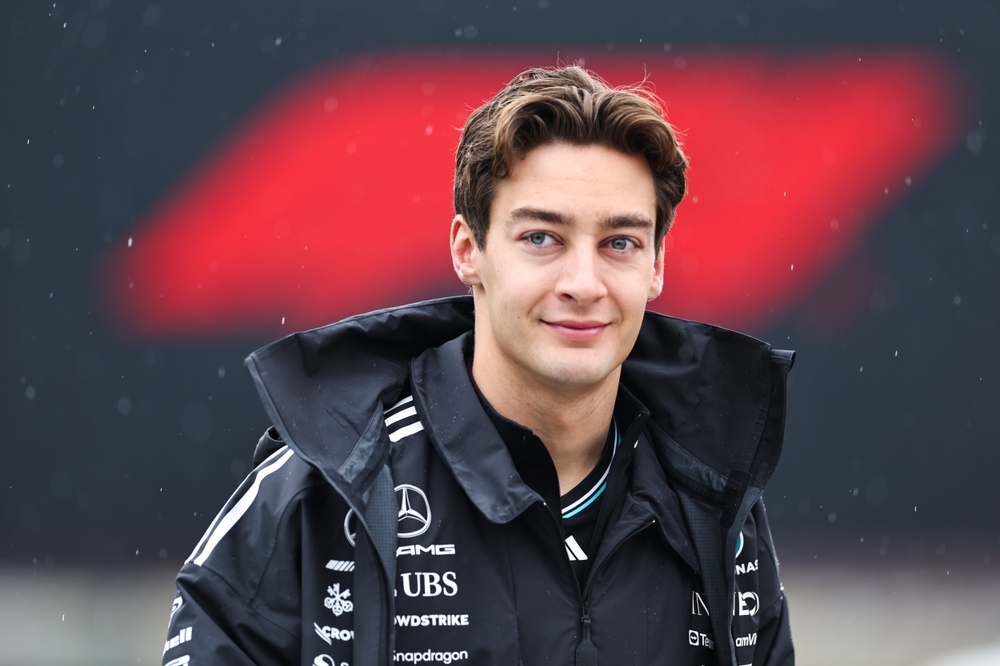
Mercedes confirmed Friday that it would not pursue its right of review application relating to the penalties received by George Russell at the Monaco Grand Prix, ending the team’s formal challenge after concluding that the sport’s governing bodies had demonstrated sufficient commitment to addressing the underlying problems.
The decision came after extended consultation between the team and officials from both Formula 1 and the FIA, following the successful appeal by Alpine that restored Pierre Gasly’s third-place finish at Monaco. That appeal revealed that the measurement used to calculate pit lane speeds at the circuit had been inaccurate, creating a situation in which multiple drivers had received penalties based on incorrect data.
A more complicated situation for Russell than for Gasly
While Gasly’s case was resolved through the right of review process, Russell’s situation presented additional complications that made a straightforward reversal more difficult to achieve. Russell received a pit lane speeding penalty during the race, but a mix-up meant Mercedes did not serve the penalty correctly, which led to him being issued a drive-through penalty while the race was still running.
Russell attempted to resolve the issue at the time, visiting race control during a red flag period to ask stewards to convert the drive-through into a post-race time penalty. That request would have preserved the possibility of an appeal after the fact. The stewards declined, and Russell was forced to serve the drive-through during the remaining laps, dropping out of the points entirely. The result cost him 25 points in the championship standings relative to his teammate and title rival.
Why Mercedes chose to withdraw
Mercedes framed its decision to end the appeal as a reflection of confidence rather than resignation. In a statement released Friday, the team indicated that its collaborative discussions with the FIA and Formula 1 had demonstrated clear determination from both bodies to review the specific circumstances of the Monaco event and address the factors that caused the timing discrepancy in the first place. Satisfied with that commitment, Mercedes concluded that continuing to pursue the formal review would not serve the team’s interests or the broader interests of the sport.
The team’s boss had indicated during last weekend’s Barcelona Grand Prix that legal options were being examined in the wake of Alpine’s successful appeal. The decision to ultimately stand down represents a judgment that institutional reform was a more productive path than continued litigation of a single race result.
The wider controversy that remains unresolved
Mercedes stepping back does not bring the Monaco controversy to a close. Two other teams have filed appeals against the FIA’s decision to reinstate Gasly’s podium, arguing that they were aware of potential pit lane measurement issues before the race and had instructed their drivers to apply additional caution with their speeds as a result. Those teams contend that penalizing drivers who drove conservatively while reinstating results for a driver who was penalized under the same conditions creates an unfair outcome.
The cascading consequences of Gasly’s penalty restoration affected multiple championship positions. A driver who had celebrated on the podium on race day was dropped back to fourth when the result was reversed, and another dropped from fourth to fifth. Those adjustments represent real points in a championship race where margins are tight.
The pit lane timing scandal has already prompted commitments to review how speeds are measured at circuit level, but the formal disputes between teams and the governing bodies have not been fully resolved.
