


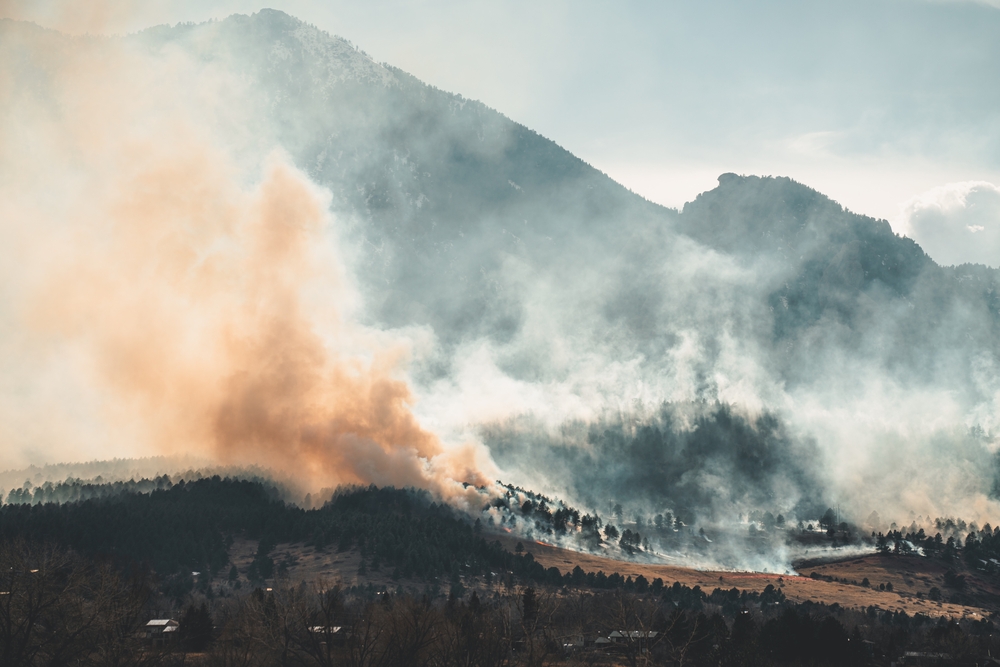
More than 100 million people across the Midwest, Northeast and Mid Atlantic spent the past few days breathing air thick with smoke drifting down from wildfires burning across Canada. Officials in Chicago described the conditions as the worst air quality the city has recorded, and similar warnings went out in Milwaukee, Detroit, Philadelphia and Washington. Health departments handed out masks, closed outdoor pools and spray parks, and urged residents to limit time outside.
The haze reshaped a packed summer calendar. A baby parade in Flint was called off, a concert in Herndon was scrapped, and Pittsburgh’s America’s Mile marathon never left the starting line. Amusement parks including Kennywood and Sandcastle Water Park shut their gates. A baseball matchup between the Cleveland Guardians and Pittsburgh Pirates and a rowing championship in Michigan were postponed as organizers weighed player and spectator safety against the pollution readings.
Residents described the smoke as disorienting after weeks of normal summer weather. Some said their eyes stung within minutes outdoors, while others compared the scene to wildfire seasons they had lived through in California. A chemical engineering professor in Pennsylvania said she kept an air filter running at home and still wore an N95 mask in her office, because the smoke seeped in around windows and doors.
Vulnerable groups face the brunt of it
The pollution has landed hardest on people already managing health conditions, along with those who work or sleep outdoors. In Pittsburgh, outreach workers began checking on unhoused residents more frequently and adding masks to the hygiene kits they distribute, citing the added danger of dehydration in hot, smoky conditions. Doctors treating asthma patients in Ohio say they expect a steady stream of people needing rescue medication through the coming week as lungs react to the fine particulates hanging in the air.
Not every event has been canceled. A community theater in Ely, Minnesota, decided to move forward with its production despite wildfires burning nearby, framing the show as a chance for neighbors to gather and momentarily set aside the constant worry hovering over the region.
What the smoke means for the World Cup final
Attention now turns to Sunday’s World Cup final in New York, where Argentina and Spain are set to meet. Forecasters expect a storm system to push through the city Saturday, clearing out much of the thickest smoke and setting up a comparatively pleasant afternoon for kickoff, with temperatures in the low 80s. Some thinner, higher altitude smoke could still drift back into the region behind the storm, but conditions are expected to be a noticeable improvement over the past several days.
Fans who had planned to watch the match outdoors are adjusting anyway. Several Washington residents who hoped to gather on the National Mall said they will instead watch from home with friends, disappointed to miss out on the atmosphere of a crowd but unwilling to risk another day breathing smoke laced air.
Relief may not arrive until this evening, when the storm system is expected to usher in cleaner air across the Mid Atlantic and Northeast. Until then, officials are keeping alerts in place and encouraging residents to stay indoors when possible, a now familiar routine for a country that has weathered several smoke filled summers in a row.
