


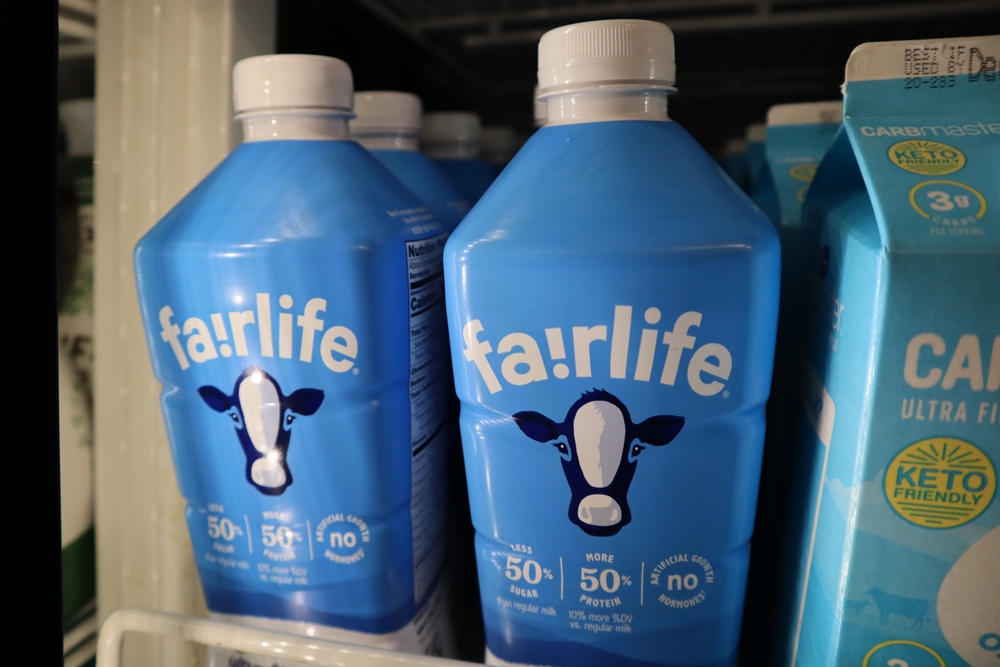
The dairy aisle may soon feel the ripple of a digital break-in that has forced one of the country’s fastest-growing milk brands to power down. Fairlife, the ultra-filtered milk label owned by Coca-Cola, has temporarily stopped churning out its protein shakes, nutrition drinks, and signature bottled milk after hackers slipped into part of its network. The disruption surfaced on July 16, when Coca-Cola disclosed in a securities filing that an unauthorized third party had reached a portion of the brand’s systems in what it described as a ransomware event.
The timing stings for Fairlife, a quiet powerhouse that pulls in an estimated $4 billion in yearly sales and ranks among the beverage giant’s largest non-carbonated products. For a label built on trust and freshness, a silent intrusion into its machinery is the kind of headache money alone cannot fix overnight.
What the ransomware attack actually hit
Coca-Cola said the intruders gained entry to Fairlife production-related systems, the digital backbone that keeps bottling lines humming and orders moving. The company moved fast once the breach was spotted, activating incident response and business continuity plans, calling in outside advisors and cybersecurity specialists, and alerting law enforcement. Investigators are still piecing together how far the damage spreads, and the firm has been upfront that the full picture remains murky. Product quality and safety were never compromised, the company stressed, yet domestic manufacturing sits frozen while engineers work to rebuild.
Operations north of the border in Canada kept running without interruption, a small mercy that hints the attack was contained to specific facilities rather than the entire enterprise.
Why Fairlife shutdowns worry the supply chain
Ransomware works by locking victims out of their own files, systems, or networks until a payment clears, and the crews behind these schemes bank on desperation to speed up the ransom. When that lock lands on a food producer, the fallout rarely stays digital. Empty coolers and thinned-out shelves can follow within days.
History backs up the fear. When Arizona Beverages was hit in 2019 and food distributor UNFI was struck last year, both endured weeks of stalled production and gaps in store inventory that rattled shoppers and retailers alike. Whether Fairlife faces the same drawn-out recovery is still an open question, and Coca-Cola has stayed quiet on when the systems will hum back to life.
What shoppers should watch for next
For now, bottles already on shelves are safe to grab, and there is no recall tied to the incident. The bigger unknown is restock speed. If the Fairlife pause drags on, the sleek blue bottles could grow scarce, and prices on remaining stock may climb as demand outpaces a throttled supply, leaving loyal drinkers hunting for stopgap alternatives.
Coca-Cola has declined to say whether any data was stolen, whether a ransom demand landed, or which crew orchestrated the strike. That silence is standard during an active probe, but it leaves customers and investors reading tea leaves. The company insists it is working diligently to close the investigation and restore what went dark.
The bigger picture behind the Fairlife breach
The Fairlife episode lands amid a rising tide of attacks aimed at food and consumer brands, a trend that has turned grocery logistics into a soft target. Hackers have learned that squeezing a beverage maker or distributor can throttle an entire region, and the pressure to pay climbs when perishable goods and loyal shoppers hang in the balance.
For Coca-Cola, the stakes stretch beyond one bruised quarter. Fairlife represents one of its sharpest growth stories, and a prolonged outage could dent both revenue and reputation. The brand’s loyal following, drawn to its high-protein formula, will be watching closely to see how quickly the Fairlife taps reopen.
Until then, Fairlife remains a cautionary tale of how a few lines of malicious code can silence a factory, empty a cooler, and remind an industry that even milk is no longer safe from the reach of digital extortion.
Source: USA Today
