


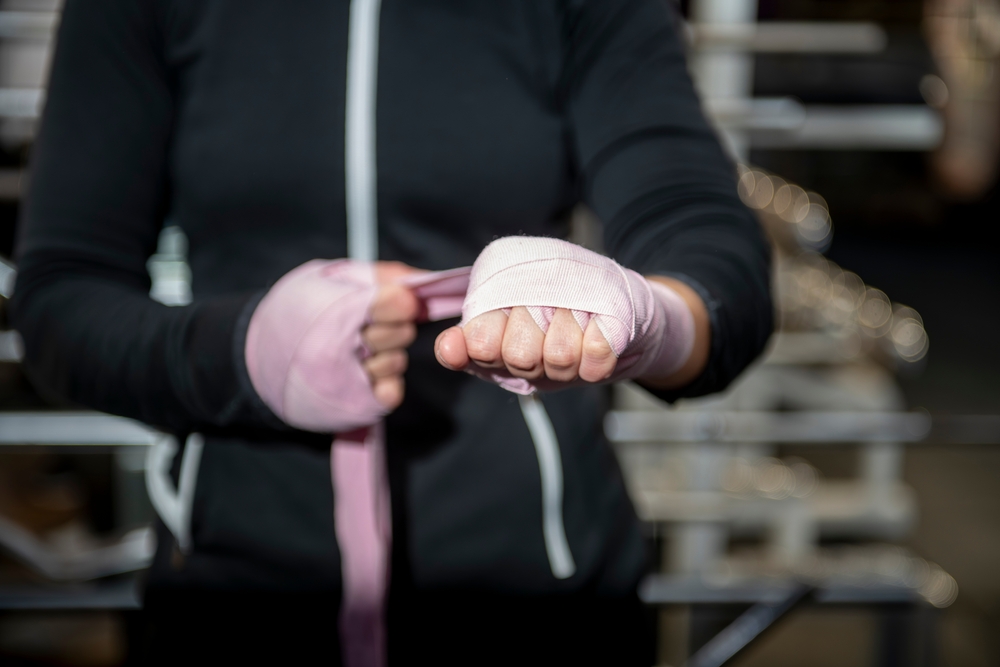
British boxer Raven Chapman is recovering in a Danish hospital after undergoing emergency surgery for a brain haematoma following a sudden collapse during a sparring session on July 24, with her management confirming she has been taken off sedatives and is awaiting repatriation to the United Kingdom.
Chapman, 32, collapsed unexpectedly after a sparring session in Denmark. Emergency services were called immediately, and she was airlifted to a local hospital. Doctors diagnosed her with a brain haematoma and cerebral oedema, and she underwent emergency surgery to stop the bleeding and reduce the swelling. She was subsequently placed in a medically induced coma.
Her management company said over the past day she has been taken off the sedatives and is continuing to receive treatment while arrangements are made for her supervised return to a UK hospital, where her rehabilitation is expected to take considerable time. The surgery successfully stopped the bleeding and helped stabilise the swelling, her management said, adding that her doctors are doing everything possible to support her recovery.
Her boxing career
Chapman was born in Norwich and has compiled a professional record of 10 wins and two losses. Her highest-profile fight came in October 2024, when she challenged Skye Nicolson for the WBC featherweight world title and was defeated. The title challenge marked the peak of her career to that point and demonstrated her standing among the top competitors in the women’s featherweight division.
She was previously affiliated with Queensberry Promotions, whose founder expressed hope for her recovery in a public statement, saying he was thinking of Chapman and hoping she could pull through and return home safely. He said everyone at the promotional company was supporting her.
What brain haematoma and recovery involve
A brain haematoma involves the collection of blood outside the blood vessels within the skull, and it can develop as a result of blunt impact to the head. Cerebral oedema, the swelling that accompanies it, can increase pressure within the skull and create additional risks. Emergency surgery is typically the standard response when bleeding is causing or threatening to cause significant neurological damage.
Recovery from this kind of injury varies widely depending on the severity of the haematoma, the speed of surgical intervention, and the individual patient’s condition. Patients who are placed in a medically induced coma are typically kept sedated to allow the brain time to recover from the trauma and the surgery, and being taken off sedatives is generally regarded as an early positive sign in the recovery process.
Rehabilitation after a brain injury of this kind can involve months of work, often with a team of specialists including neurologists, physiotherapists and others, depending on what functions have been affected.
Support for Chapman
A fundraising campaign has been launched on GoFundMe to raise money to help with Chapman’s medical costs and the logistical and financial demands of her recovery, which will be based in the United Kingdom. The campaign reflects the financial pressures that can accompany extended medical care abroad followed by rehabilitation in the home country.
Boxing carries inherent physical risks, and incidents during sparring, while less common than during competitive bouts, can and do occur. The sport has been examining its safety protocols around both training and competition in recent years, with governing bodies and promoters under pressure to ensure adequate screening and medical oversight is in place.
The most important information available as of Wednesday is that Chapman has come through emergency surgery, is no longer in a medically induced coma, and is receiving care while her return to the United Kingdom is arranged. Further updates on her condition are expected to come through her management as her recovery continues.
