


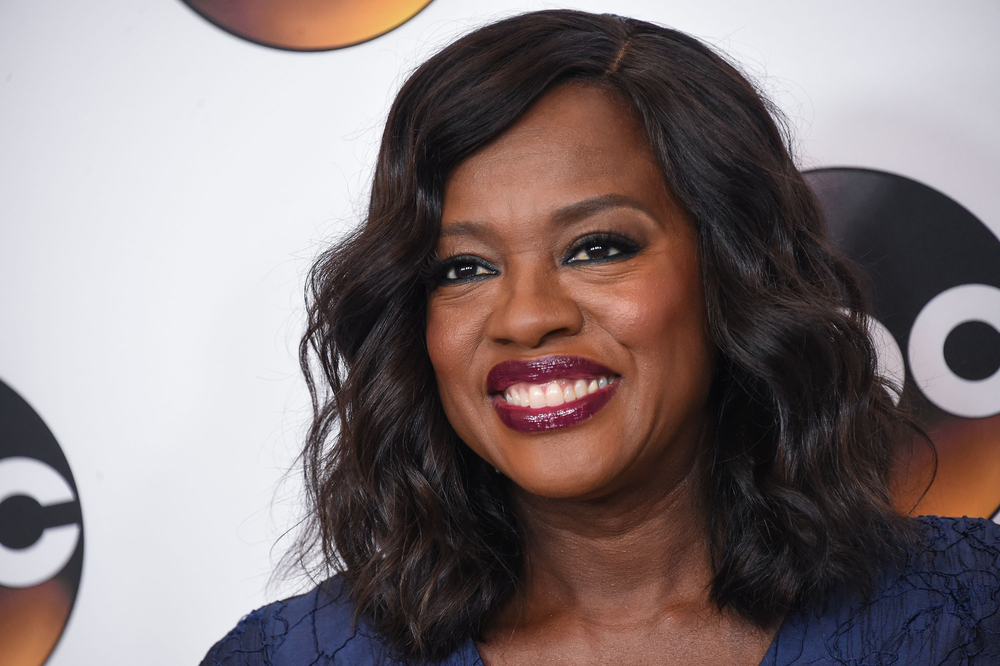
Viola Davis rejected Target’s apology because she says pulling one costume off shelves does not undo a pattern the retailer has been building for over a year. The Oscar winner posted on Instagram this week that Target’s statement failed to grasp the weight of what it had sold, and her timing mattered: the post landed while the company was already absorbing financial fallout from a boycott tied to its retreat from diversity commitments.
What was actually wrong with the costume?
The item, a $25 ‘Kids’ Glows Under Blacklight Circus Clown’ bodysuit sold through Target’s Hyde and EEK! Boutique line, paired a black and orange print with a hood featuring a painted smile and small top hat. Promotional images showed a young Black boy wearing it. Once screenshots spread online, people pointed out the resemblance to Jim Crow-era minstrel caricatures, and the comparisons stuck fast enough that Target pulled the listing within days.
Did anyone connect this to Target’s DEI retreat before Davis did?
Yes, and this is where the story gets bigger than one post. Georgia pastor Jamal Bryant, who organized a 40-day boycott of Target last year over the company scaling back its diversity programs, publicly called the costume a symbol of racism tied directly to that retreat. His framing lines up with what a lot of Black shoppers have been saying since Target’s DEI rollback started, that fewer diverse voices inside the company means fewer people positioned to catch something like this before it ships. That boycott already dented Target’s foot traffic and sales earlier this year, and this costume gave critics fresh ammunition to argue the damage was self inflicted.
How did Target respond, and was it enough for Davis?
Target apologized directly, saying through a spokesperson that the company got it wrong and that the item should never have been part of its assortment. It promised to review how the costume made it to production. Davis said in her post that she did not accept the apology and did not believe Target understood the depth of the harm, writing that the imagery echoed ideology behind real historical violence against Black Americans. She closed her statement by telling Target plainly that it had shown itself not to be on her side.
View this post on Instagram
How big did this get online?
Davis’s post reportedly pulled in more than 90 million views within days, and the comment sections under both her post and Target’s own apology filled with people asking the same question: how did this clear every internal review without anyone flagging it. That question, more than the apology itself, is what turned a single product recall into a referendum on who gets a seat in the room when companies make these calls.
Davis has pushed this argument before, from her 2016 SAG Awards speech on diversity to the 2020 open letter she signed with more than 300 Black actors demanding structural change in Hollywood. Her response to Target fits that same throughline: an apology without structural change just resets the clock until the next incident.
