


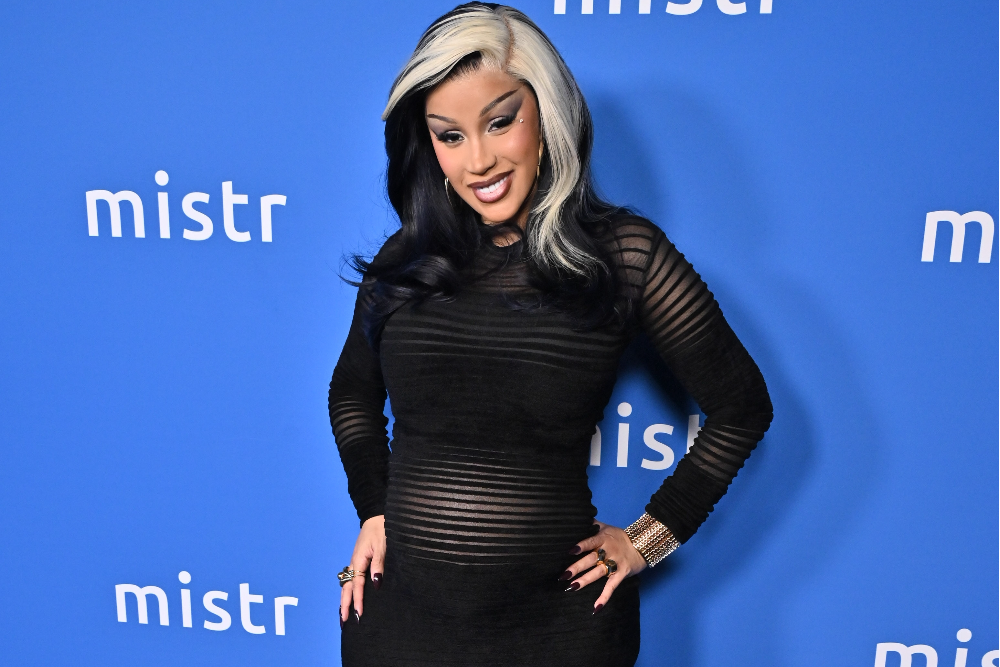
For generations, the phrase “good hair” carried a very specific meaning in Black and Latino households across America. It was about texture, length, and straightness, a standard quietly rooted in Eurocentric beauty ideals that left a lot of people feeling like their hair was not enough. Cardi B grew up in the Bronx hearing those comparisons. Now she is building a business around dismantling them.
Her new haircare line, Grow-Good Beauty, officially launched on April 15, arriving at retailers with six products all priced under $20. The brand is the result of years of fans asking Cardi about her haircare routine, a question she heard often enough that it stopped feeling like flattery and started feeling like a calling.
What Grow-Good actually offers
The product lineup reflects both Cardi’s Dominican heritage and her emphasis on scalp health and hair strength. The Repair System includes two shampoo options, Wash Cycle and Wash Cycle Plus, along with two conditioners, Soft Serve and Soft Serve Plus, each priced at $14.99. Rounding out the collection is the Get Rich hero mask at $19.99 and the Everything Serum at $17.99.
The lineup is intentionally accessible. In a beauty market where prestige haircare can run well above $40 a bottle, keeping every Grow-Good product under $20 is a deliberate choice that speaks to the community Cardi has always positioned herself alongside.
Grow-Good enters a broader cultural conversation
The timing of this launch places Cardi inside a conversation that has been building for decades. The question of what constitutes good hair has been examined in beauty shops, on morning television, and in film. The 2006 documentary My Nappy Roots explored how Black hair has been policed through the lens of culture and politics. Three years later, another widely discussed documentary, Good Hair, traced the history and social weight of Black hair, with its creator drawing inspiration from a question his own young daughter asked about her hair.
Cardi’s entry into this space feels personal rather than calculated. She has spoken openly about growing up in moments where a relative’s reaction to her hair texture made her feel like a burden, the kind of memory that quietly shapes how a person relates to their own reflection. Grow-Good, she has said, is partly a response to that feeling, and partly a message she wants to pass on to her own children.
Cardi B reframes the standard
What makes the brand’s premise distinct is that it shifts the definition of good hair away from aesthetics and toward health. The argument Cardi is making is not that any one texture is better than another. It is that hair which is thinning, breaking, or damaged is not thriving, regardless of how it looks. Under that framework, good hair becomes something achievable by everyone, a condition of growth and care rather than genetics.
That reframing puts Grow-Good in company with a growing wave of artist-led beauty brands that have used their platforms to challenge long-standing industry norms. Rihanna built a makeup empire on the premise of radical inclusivity. Beyoncé entered the haircare space with a similar emphasis on cultural identity and ingredient transparency. Cardi is now adding her voice to that conversation, bringing with her the credibility of someone who has lived the very stigma she is working to undo.
