


The Caribbean is entering a defining political season, with two island nations. Antigua and Barbuda and the Bahamas preparing for elections that will test the strength of their ruling parties and the patience of their voters.
The votes come on the heels of a packed electoral calendar last year, when 12 general elections were held across the Caribbean Community, known as Caricom. Earlier this year, Barbados opened the season by returning its incumbent labor party to power by a wide margin, giving the region its first glimpse of where political winds may be blowing.
Antigua gears up as governor general dissolves parliament
In Antigua and Barbuda, Governor General Sir Rodney Williams has signed a proclamation dissolving parliament, triggering the formal start of the election process. While a new vote is not constitutionally required until 2028, Prime Minister Gaston Browne and his Antigua and Barbuda Labor Party, known as the ABLP, appear to be moving on their own timeline one that seems designed to keep the opposition off balance.
The main opposition, the United Progressive Party, or UPP, has been struggling to organize a coherent campaign, and Browne has shown little urgency in naming an election date. Reports indicate that an announcement could come as late as April or early May, leaving the UPP with a narrow window to mount a serious challenge. It is a calculated approach that reflects a broader pattern across the region, where incumbents have learned to time their moves carefully.
Browne’s ABLP has governed Antigua and Barbuda since 2014 and enters the race with a firm grip on power, though rising costs of living and concerns about economic inequality remain live issues among voters.
Bahamas sets May 12 as election day
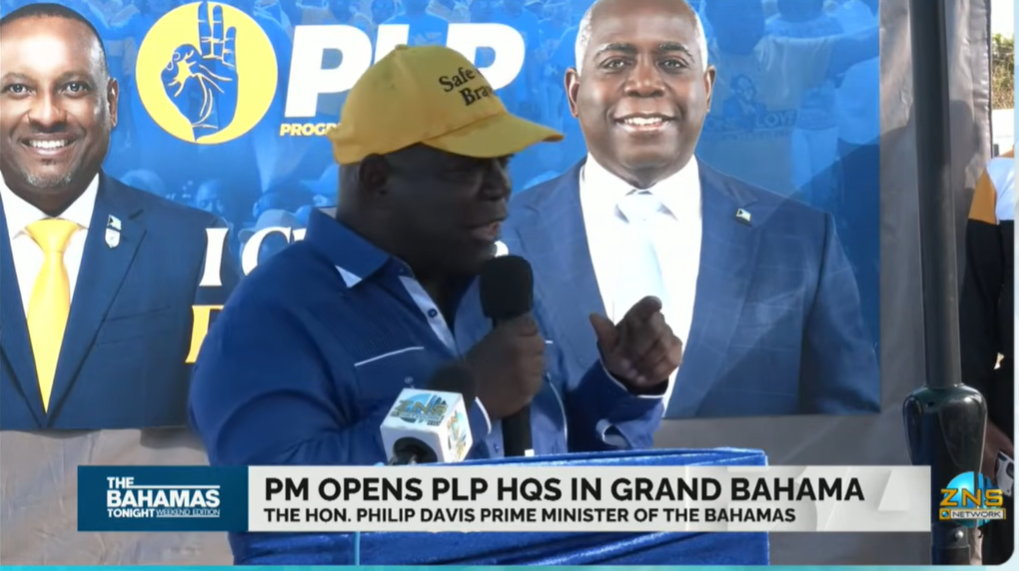
Across the water, Prime Minister Phillip Davis has dissolved the 39-member House of Assembly in the Bahamas, setting May 12 as election day. His governing Progressive Labor Party, or PLP, will face off against the Free National Movement, known as the FNM, led by opposition leader Michael Pintard.
The PLP swept into office in 2021, capturing 32 of 39 seats in a commanding victory. But governing has proven harder than campaigning. Critics have pointed to slow progress on rebuilding communities still recovering from Dorian, the catastrophic 2019 superstorm that caused widespread destruction across the northern Bahamas. For many voters, the pace of recovery remains a deeply personal issue, and the PLP will need to demonstrate that it has delivered meaningful results.
FNM faces internal fractures ahead of the vote
The FNM enters the race with complications of its own. The party has seen a string of high profile defections to the PLP and has struggled with internal divisions that have damaged its public image. Most notably, former Prime Minister Hubert Minnis has refused to step aside in favor of a party endorsed candidate in his constituency and has declared his intention to run as an independent a move that could split votes in key areas and complicate the FNM’s path to an upset.
Davis, for his part, has focused on rallying voter participation. He urged Bahamians holding valid purple voter registration cards to show up on election day, noting that their registrations remain active. The reminder came after reports of long lines and delays at voter registration centers across the island chain.
Tourism boom gives the Bahamas an economic talking point
One area where the Davis administration can point to clear results is tourism. The Bahamas welcomed 12.5 million visitors last year, representing a nearly 12% increase over the prior year and a strong rebound from the devastation of the Covid-19 pandemic. That figure gives the PLP a tangible achievement to campaign on, even as opponents argue that the economic benefits have not reached enough ordinary Bahamians.
As both nations move toward their respective election days, the outcomes will carry consequences well beyond their borders shaping governance, regional alliances and the everyday lives of citizens across two of the Caribbean’s most closely watched democracies.
