


What started as a lighthearted social media moment during TNT’s NCAA Tournament coverage quickly turned into something that could genuinely affect next season’s college basketball landscape.
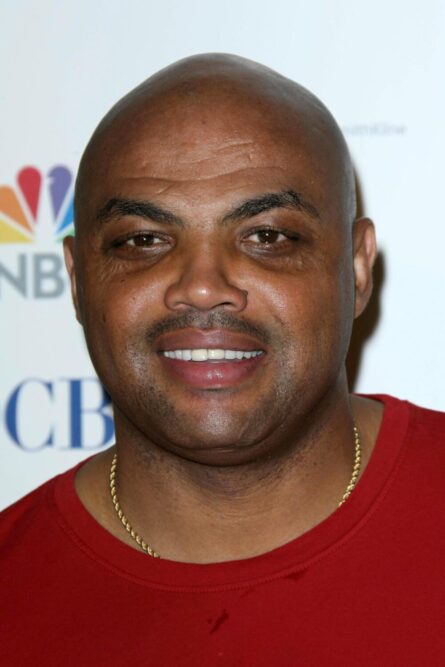
During halftime of 4-seed Alabama’s first-round matchup against 13-seed Hofstra, Auburn legend Charles Barkley returned from a commercial break to find a graphic that High Point University had posted to social media. The message was playful but direct: the school would secure Barkley an eligibility waiver to suit up for the Panthers next year.
Barkley ran with it and then some. By the time the segment wrapped, he had issued a flat out, on-air guarantee that Auburn would face High Point during the 2026-27 season, declared he would personally make the calls to get it done and even weighed in on where the game should be played.
Why this was about more than a joke
Barkley’s push was not simply a case of playing along with a clever social media graphic. It was rooted in genuine conviction about a problem he believes has gone unaddressed in college basketball for far too long: the widespread unwillingness of high-major programs to schedule mid-major opponents during the regular season.
His passion on the subject was clearly fired up by High Point head coach Flynn Clayman, whose postgame remarks following the Panthers’ first-round upset of 5-seed Wisconsin became one of the most talked-about moments of the tournament’s opening days. The 12th-seeded Panthers had pulled off a genuine surprise, and Clayman used the national spotlight to make a pointed and plainspoken argument.
His position was straightforward: no major program would agree to play High Point during the regular season, which then opened the door for critics to question the Panthers’ strength of schedule once March arrived. Clayman’s response to that criticism was simple if high-major schools refuse to put mid majors on their schedules, they have no standing to act surprised when those same programs show up in the tournament and win.
Barkley called Clayman’s words poignant and important, and fully agreed with the underlying message. His view is that big programs carry enough name recognition and institutional clout that their nonconference schedules face very little scrutiny, regardless of whom they play. Mid-majors, by contrast, are judged harshly for every soft opponent. The fix, in Barkley’s mind, requires the power programs to step up and actually schedule these teams.
The guarantee and what comes next
Barkley did not leave his promise vague. He stated explicitly, on live national television, that Auburn was going to play High Point next season. He named Auburn head coach Steven Pearl and athletic director John Cohen directly, indicating he planned to contact both men personally to get the game scheduled.
As for the venue, Barkley offered two options as he headed into the next commercial break: a neutral-site location positioned somewhere between the two schools, or High Point making the trip to Auburn. He was quick to point out that Auburn has no shortage of hotel accommodations for visiting programs.
Neither Pearl nor Cohen had responded publicly at the time of this writing, but with Barkley’s standing as one of Auburn’s most beloved and visible alumni, it would be difficult to imagine the calls going unanswered.
A ripple effect worth watching
High Point’s run in this year’s tournament has already given Clayman’s program a level of national attention that most mid-major coaches spend entire careers chasing. If Barkley’s television guarantee leads to an actual scheduled game against Auburn next season, it would stand as one of the more meaningful and unexpected off-court outcomes of this year’s March Madness a direct result of one coach’s honest postgame words landing with exactly the right person at exactly the right moment.
