


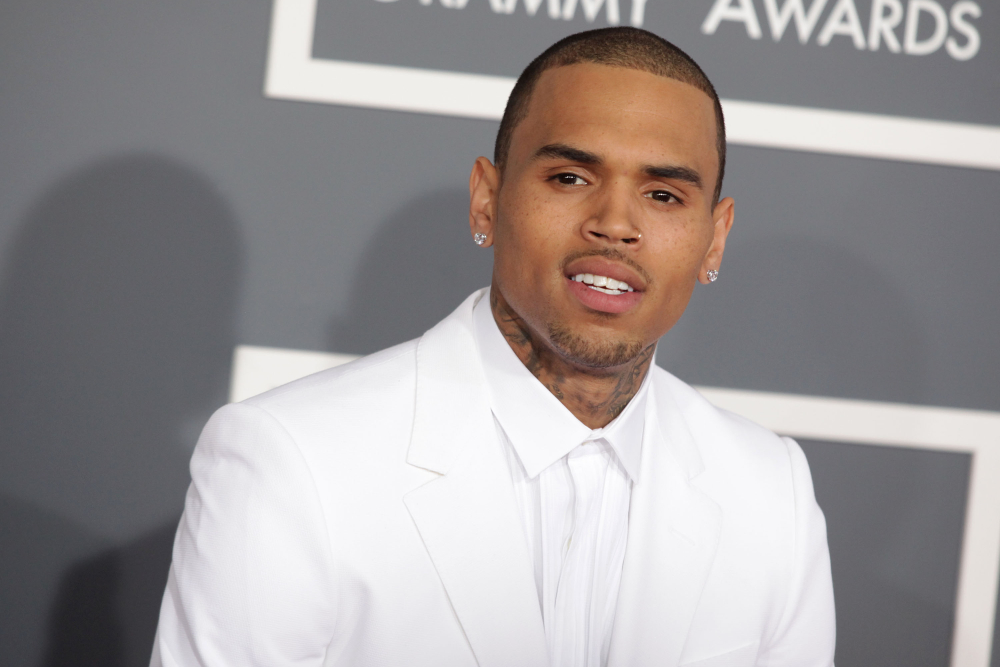
Chris Brown reignited controversy Sunday night with a social media post that arrived moments after Bad Bunny concluded his Super Bowl LX halftime performance. The R&B singer’s brief Instagram Story—reading “I think it’s safe to say… they need me” alongside a smirking emoji—drew immediate criticism from fans who viewed the comment as dismissive during a moment celebrating Latin culture and global musical influence.
The timing proved particularly striking. Bad Bunny had just finished a performance that emphasized Puerto Rican pride and reggaeton’s worldwide impact, featuring appearances from Lady Gaga, Cardi B, and Ricky Martin. The show carried political undertones and positioned the halftime stage as a platform for cultural statement rather than pure spectacle.
Brown’s Social Media Strategy Backfires
Brown’s post landed while audiences were still processing a halftime show designed around representation and contemporary relevance. The 36-year-old singer offered no additional context, leaving many to interpret the message as self-promotion at the expense of a historic cultural milestone.
Social media users responded with sharp criticism. One wrote that Brown was a nasty individual for making the moment about himself. Another highlighted the contrast between Bad Bunny’s focus on current events and Brown’s apparent desire for attention, calling the move desperate.
The backlash extended beyond individual reactions. Many observers framed the incident as evidence that Brown misunderstands how the Super Bowl halftime show has transformed in recent years.
The Halftime Show’s Cultural Evolution
The NFL’s marquee performance slot has shifted from showcasing legacy hitmakers toward amplifying artists who reflect contemporary cultural conversations. Bad Bunny’s February 8 appearance exemplified this change, blending entertainment with political commentary and centering voices often marginalized in mainstream American sports culture.
His setlist included Lo Que Pasó a Hawaii with Ricky Martin, a collaboration that reinforced the evening’s thematic focus on Puerto Rican identity. Pedro Pascal appeared in support, adding Hollywood visibility to the night’s message. The production fused reggaeton and pop while maintaining clear political undertones throughout.
Critics of Brown’s post emphasized that Bad Bunny‘s performance carried weight beyond entertainment value. The show arrived amid ongoing conversations about Puerto Rico’s political status, Latin representation in American media, and the global reach of Spanish-language music.
Representation Versus Star Power
Where previous generations valued commercial success and name recognition, today’s viewers increasingly demand cultural relevance and authenticity. Brown’s comment sparked broader debate about what audiences now expect from halftime performers.
The singer has not expanded on his original statement or addressed the negative response. His silence allowed interpretations to multiply, with many concluding that his post reflected either tone-deafness or calculated provocation.
Some defenders suggested Brown was simply expressing confidence in his own abilities. However, those voices were largely drowned out by critics who saw the timing and phrasing as inappropriate regardless of intent.
The Changing Standards of Super Bowl Stardom
The incident highlights how halftime show expectations have evolved alongside broader cultural shifts. Artists who once dominated charts now find themselves competing with performers who offer more than hit songs—they offer meaning, context, and connection to current movements.
Bad Bunny’s selection for Super Bowl LX reflected the NFL’s apparent recognition of these changing dynamics. His performance prioritized message over nostalgia, community over individual achievement, and global perspective over domestic familiarity.
As the NFL‘s most-watched annual event, the Super Bowl halftime show guarantees massive exposure. That visibility now comes with heightened scrutiny over who receives the platform and what they choose to do with it. Brown‘s post served as an unintentional reminder that modern audiences evaluate these performances through multiple lenses simultaneously. Commercial success alone no longer guarantees relevance on a stage that increasingly functions as cultural barometer rather than simple entertainment showcase.
The controversy surrounding his reaction may fade quickly, but the underlying tension it exposed—between past stars seeking validation and present artists claiming space—will likely persist as the halftime show continues its transformation into something larger than any single performer.
Source: Hot 97
