


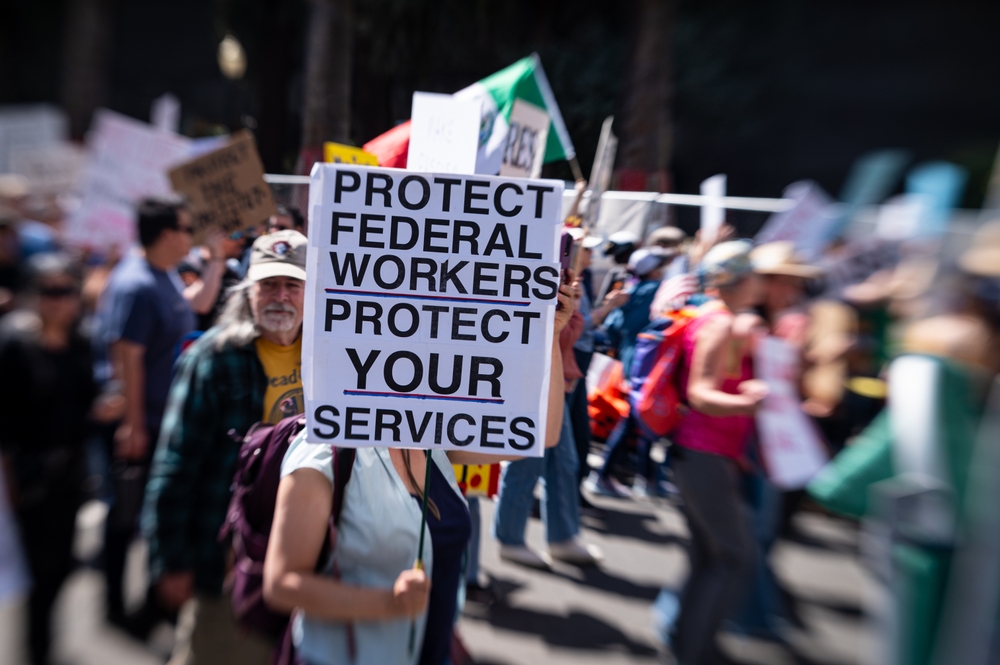
The federal government teeters on the brink of another partial shutdown as Senate Republicans and Democrats remain deadlocked over funding the Department of Homeland Security. The standoff follows the fatal shooting of a US citizen during a Minneapolis protest, reigniting tensions less than three months after the longest government shutdown in history ended.
Federal funding for numerous agencies expires January 30, forcing closures unless lawmakers strike a deal. While departments like Agriculture, Veterans Affairs, Interior, Energy, Justice and Commerce secured full fiscal year funding, a partial shutdown would still trigger widespread consequences. Airport delays, missed federal paychecks and frozen loan applications for homes and small businesses loom as immediate threats.
Despite Republican control of Capitol Hill and the White House, Senate rules require at least seven Democrats to pass spending legislation. The House approved government funding last week, but Senate Democrats pledge to block the bill without reforms to DHS or separate funding provisions, changes demanding another House vote. Senate Republicans resist amendments, hoping Trump administration efforts to ease DHS-Minnesota tensions prevent shutdown.
President Donald Trump previously oversaw a 35-day shutdown during his first term, the longest on record until last year.
Understanding Shutdown Mechanics
Congress must fund federal departments annually starting October 1. Without passing comprehensive spending packages or continuing resolutions, agencies shutter until appropriations resume. The current impasse threatens partial shutdown since certain agencies already received annual funding while others face closure.
The affected agencies include DHS, Defense, Education, Health and Human Services, Housing and Urban Development, Transportation, State, Labor and Treasury. These departments represent over three-quarters of federal discretionary spending, threatening massive operational disruptions.
Essential Services and Closures
Government shutdowns typically maintain functions protecting lives and property while closing other operations. Agencies file contingency plans detailing continuing operations and staffing levels, though many work without pay. The Trump administration breaks precedent by hosting shutdown plans only on individual agency websites rather than centralizing them through the White House Office of Management and Budget, complicating assessments of essential activities.
The Department of Education would furlough most staff while continuing Pell Grants, federal student loans and Title I and IDEA funding. Nearly all DHS personnel stay working, including Customs and Border Patrol, Immigration and Customs Enforcement, Transportation Security Administration, Secret Service, Citizenship and Immigration Services and Federal Emergency Management Agency employees.
Washington DC courts would halt marriage certificates and wedding ceremonies. The National Flood Insurance Program cannot issue new policies, potentially blocking home sale closings.
Social Security and Benefits Continue
Social Security payments to seniors, people with disabilities and other Americans proceed uninterrupted. The Social Security Administration confirmed beneficiaries would continue receiving Social Security, Social Security Disability Insurance and Supplemental Security Income payments during funding lapses.
Unemployment benefits continue as long as state agencies maintain administrative funding. Medicare and Medicaid payments also persist through the shutdown.
Travel and Parks Remain Open
National park sites, Smithsonian museums and the National Zoo stay open with full funding through September 30. Air traffic controllers and TSA officers work as essential personnel without pay, though critical support staff face furloughs and suspended programs.
The National Air Traffic Controllers Association warns that furloughed support staff and suspended programs hamper full operational capability during heightened aviation safety concerns. The recent shutdown forced the Federal Aviation Administration to mandate flight reductions at 40 airports, causing thousands of daily delays and hundreds of cancellations nationwide.
The US Postal Service operates normally since it funds operations through product and service sales rather than tax dollars.
Federal Worker and Economic Impact
The pending partial shutdown affects roughly 45 percent of 2.2 million civilian federal workers. Over 500,000 employees could work without pay while another 480,000-plus face furloughs. Federal workers receive guaranteed back pay after shutdowns under 2019 law, though the Trump administration initially questioned whether furloughed workers would be compensated before eventually paying them. Federal contractors furloughed or temporarily laid off during shutdowns lack guaranteed back pay.
The 2018-2019 five-week shutdown caused $3 billion in permanent economic growth loss. Reduced IRS compliance activities decreased tax revenues by roughly $2 billion, mostly unrecoverable. The Bureau of Labor Statistics would suspend most economic reports, including monthly jobs data, during shutdown. The US Travel Association estimates shutdowns cost $1 billion weekly, affecting millions of travelers and businesses while straining federal travel workforce with flight delays, longer security lines and canceled trips.
Source: CNN
