


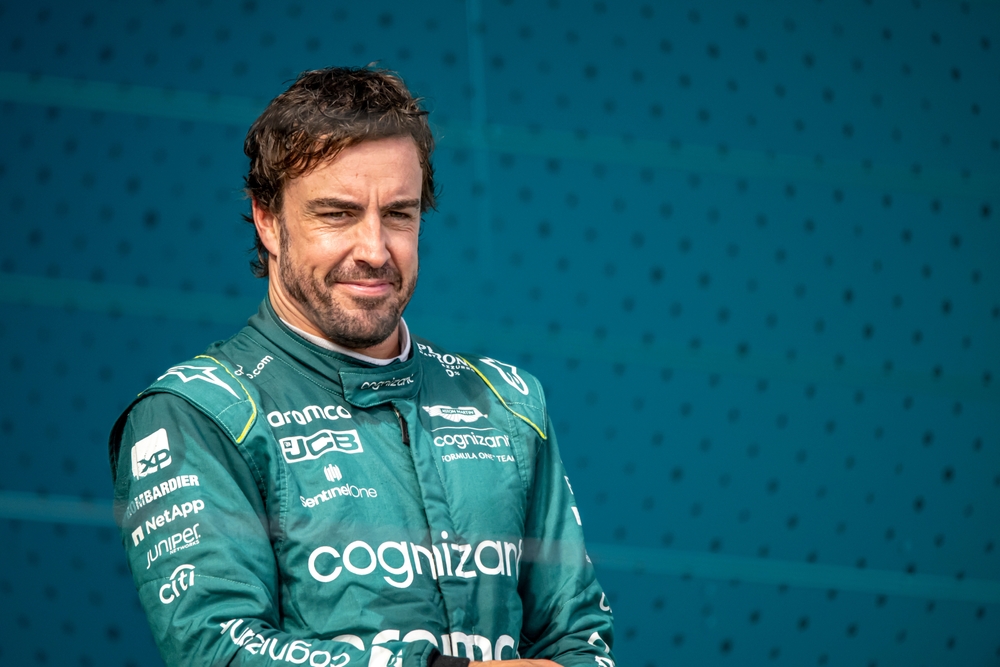
Fernando Alonso will contest a 24th season in Formula 1 after signing a new contract with Aston Martin, announced Tuesday ahead of this weekend’s race.
What changed his mind?
Not stated, which is the notable part. Fernando Alonso had been signalling that retirement was plausible, citing dissatisfaction with the technical regulations introduced for 2026. Those rules have not changed. Something else did, whether the car’s competitiveness, the team’s plans or his own assessment of how much he is enjoying it, and none of that has been made public.
How unusual is this longevity?
Close to without precedent. At 45 he is comfortably the oldest driver on the grid, and 24 seasons is a span that takes in multiple generations of competitors. Drivers at his age are ordinarily retired, in endurance racing or in an advisory role. Continuing at the front of an established team is a different proposition from continuing at all.
Who else was extended?
Lance Stroll, for 2027. He is the son of the team’s owner, which is a fact that attaches to every discussion of his seat and which readers are entitled to weigh alongside his results. The two extensions together settle Aston Martin’s lineup and remove the team from a driver market that has been unusually static.
Why do the 2026 rules matter to this?
Because they represent the largest technical reset in more than a decade, covering power units and aerodynamics together. A driver of Fernando Alonso’s experience publicly criticising them carries weight precisely because he has adapted to more regulation changes than anyone currently competing. Signing on regardless does not retract the criticism, but it does indicate he expects to be able to work with what the rules produce.
What does the team gain?
Continuity and calibration. A veteran of this standing is the most reliable reference point a team has for whether a car is genuinely improving, which matters in the first seasons under new regulations when development direction is uncertain. That value is separate from race results.
What does he still want?
A third championship, on the evidence of his career rather than any statement here. He won titles in 2005 and 2006 and has spent the two decades since in cars that were not capable of a third. Continuing at 45 with a team that has invested heavily suggests he has not written that off, though he has not said so in this announcement.
Is there a risk in this?
For him, reputational rather than competitive. Drivers who continue past their peak are judged against their own best years rather than against the field, and a difficult season is read differently at 45 than at 35. Fernando Alonso has never appeared troubled by that calculation.
What comes next?
The season continues this weekend. The extension removes one of the few open questions in a market where most teams have already settled their lineups for next year.
