


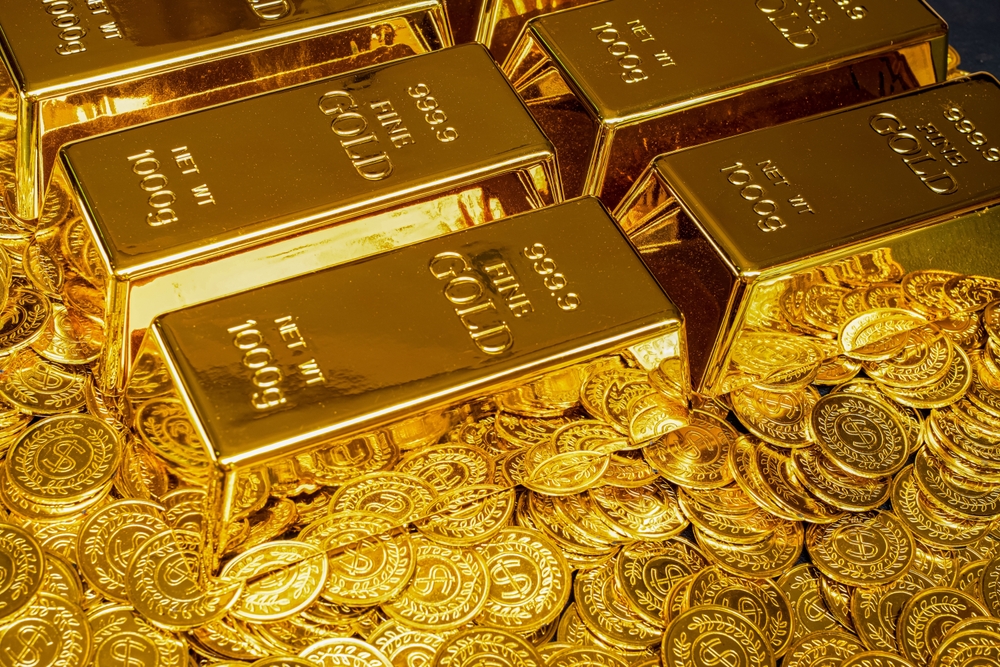
Spot gold climbs 6.2% to $4,950 after worst rout in decade, silver surges 12% as risk-on sentiment returns and dollar weakens
Gold and silver bounced back Tuesday after one of the most dramatic collapses in recent precious metals history lured investors back into the market. The rebound signals a potential turning point after last week’s brutal selloff that wiped out months of gains and left market watchers questioning whether the precious metals rally had gotten dangerously out of hand.
Spot gold climbed as much as 6.2% to more than $4,950 per ounce, recovering somewhat from Friday’s catastrophic rout its worst day in more than a decade. Silver proved even more resilient, surging more than 12% to trade above $89 per ounce. The recovery came as risk sentiment returned to broader markets and the US dollar weakened, creating conditions more favorable for precious metals to stabilize and begin their rebound.
The dramatic swing in fortunes highlights the volatility that has gripped precious metals markets over the past few weeks. January saw an extraordinary rally, with gold and silver reaching all-time highs fueled by speculative momentum, geopolitical tensions, and concerns about Federal Reserve independence. The advance seemed unstoppable. Then Friday happened.
The sell-off was historic. Silver experienced its biggest single-day decline on record. Gold posted its worst day since 2013. The sudden reversal came after weeks of warnings from market analysts that the rally had moved too far too fast, that valuations had become stretched, and that a correction was inevitable. When it arrived, it arrived with force.
The Bubble That Burst and Why It Matters
What created the conditions for such a dramatic collapse? The answer lies in how the rally was constructed. Chinese funds and Western retail investors had built up massive positions in precious metals. Call-options buying and leveraged exchange-traded products had added fuel to the fire, amplifying gains on the way up and amplifying losses on the way down. When the momentum finally broke during Asian trading hours on Friday, the cascade began. Margin calls forced liquidations. Leveraged positions unwound. What had been a sustained rally became a rout.
The speed of the decline matters more than the absolute magnitude. Investors who had piled into precious metals over the past month suddenly found themselves underwater. Leveraged positions that had looked brilliant on Thursday morning looked disastrous by Friday afternoon. It’s the kind of market action that shakes confidence and raises serious questions about whether the rally was built on fundamentals or merely on momentum and leverage.
Yet the rebound is already beginning. The fact that dip buyers returned within days of the crash suggests that many market participants still believe in the fundamental case for higher precious metals prices. UBS strategist Joni Teves captured that sentiment, calling the correction “healthy for the market in the long run” and suggesting it provides “investors the opportunity to build long-term strategic positions at more attractive entry levels.”
Most major banks have backed that thesis. Deutsche Bank reaffirmed its forecast for gold to rally to $6,000 per ounce, suggesting the recent swoon is merely a correction within a longer-term uptrend rather than a fundamental break in the market’s direction.
The Role of Chinese Buyers and Geopolitical Risk
The trajectory of precious metals prices in coming weeks may hinge on how aggressively Chinese investors buy the dip. China’s bullion marketplace in Shenzhen saw significant activity last weekend as buyers stocked up on jewelry and bars ahead of the Lunar New Year. With China’s markets closing for more than a week starting February 16th, the timing creates both uncertainty and potential opportunity.
China’s state-owned banks, meanwhile, are tightening controls on gold investments in an effort to manage volatility. That suggests the Chinese government is concerned about speculative excess in precious metals and wants to prevent further bubble-like behavior. Whether those controls will dampen demand or merely create pent-up demand for the next rally remains unclear.
Geopolitical factors also continue to influence precious metals prices. Ongoing tensions between the United States and Iran, combined with President Trump’s recent comments about potential nuclear talks in coming days, add an element of uncertainty. A breakthrough in negotiations could reduce gold’s appeal as a safe-haven asset and pressure prices. Continued tensions would support prices by reinforcing gold’s role as insurance against geopolitical risk.
The broader thesis supporting higher precious metals prices remains intact: monetary policy is unlikely to tighten rapidly globally, geopolitical concerns persist, and economic uncertainty lingers. Under those conditions, a “more modest grind higher for precious metals looks likely,” according to analysis from Bloomberg’s strategists.
