


Veteran defensive tackle describes how losing mentality poisons locker room, erodes individual accountability, and creates self-serving player behavior that’s nearly impossible to reverse in one year
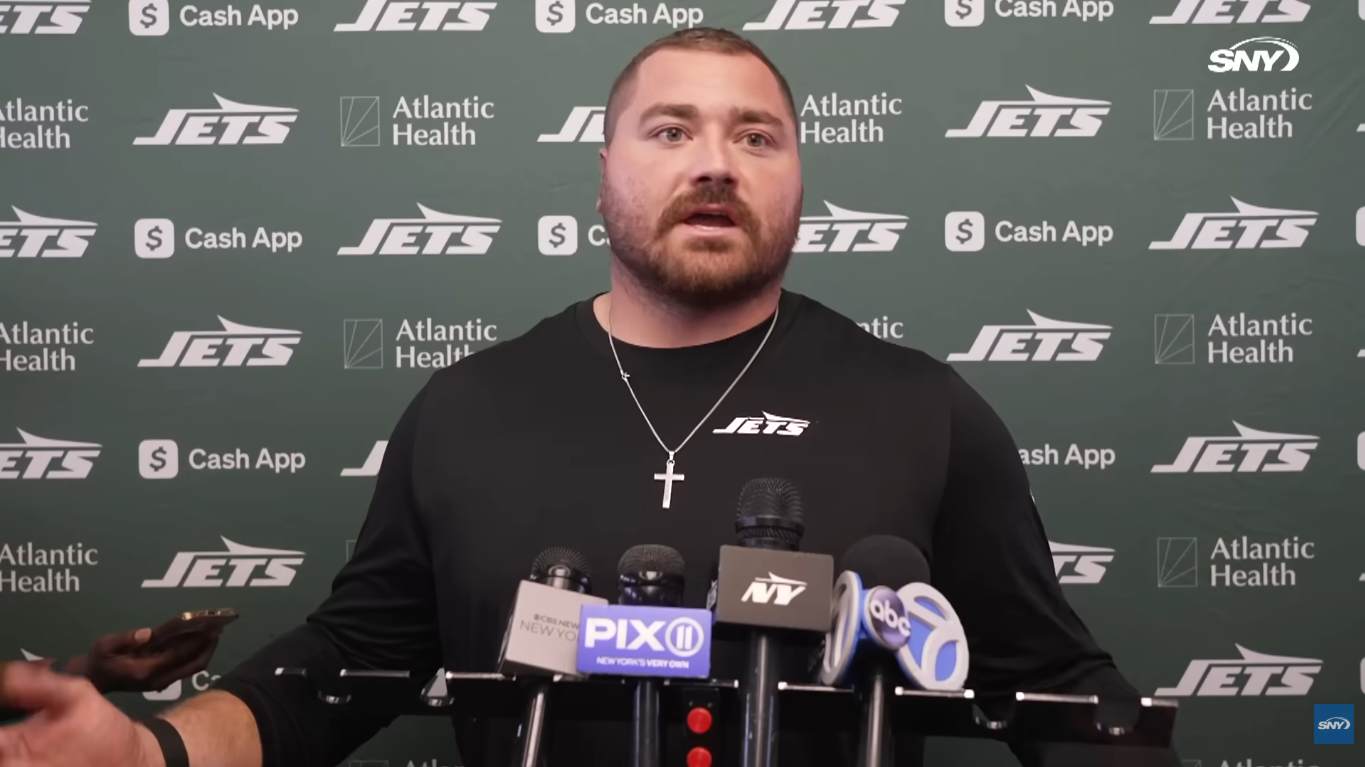
Harrison Phillips didn’t hold back. Speaking candidly Thursday on radio row at the Super Bowl, the Jets defensive tackle delivered a scathing assessment of the organizational culture that defined New York’s disastrous 3-14 season under first-year coach Aaron Glenn. Phillips, acquired in an August trade with the Minnesota Vikings, used stark language to describe what he encountered: a “very cancerous, truculent group whole, top to bottom.”
The criticism wasn’t directed at individuals but at the pervasive mindset poisoning the entire organization. Phillips was responding to a question about whether Glenn can turn the Jets around in 2026. His answer was direct: the cultural dysfunction runs so deep that one year is insufficient to repair it. The “Same Old Jets” losing mentality has infected the locker room so thoroughly that genuine change requires years, not months.
“It’s not individual people’s fault,” Phillips said, clarifying that his criticism targets systems and culture rather than specific players. But his analysis of how losing poisons a team’s psyche was comprehensive and unflinching. Phillips spent one season with the Jets a difficult season he acknowledged nearly broke his own resolve. He described wavering on his thoughts, beliefs, and optimism despite arriving with veteran leadership and experience.
Yet he recognized something critical: if one year of losing nearly undermined his psychological resolve, imagine what 10 consecutive losing seasons do to players who’ve been there through the entire drought. The Jets have endured 10 straight losing seasons and 15 consecutive years out of the playoffs the NFL’s longest active playoff drought. That historical failure creates a psychological weight that becomes nearly impossible to shake.
How Losing Destroys Locker Room Culture
Phillips articulated precisely how a losing culture transforms individual behavior and team cohesion. In a toxic environment where losses pile up, players stop thinking collectively. Instead, they default to self-preservation: “My coach is going to get fired, my teammate’s going to get fired, I’m going to be a free agent, I might get fired, I have to play for me. I have to make sure my tape is hot regardless of what the system is asking me to do, what the scheme is telling me to do.”
That mindset cascades through the organization. Veterans prioritize individual tape and job security over team success. Young players observe this behavior and adopt it themselves. “That’s my vet, that’s how they’re acting, so that’s the way I’m going to act, too,” Phillips explained. The dysfunction becomes institutionalized, self-perpetuating, nearly impossible to interrupt through any single intervention.
The chain of causation is clear and destructive. Losing creates organizational chaos. Organizational chaos prompts firings. Players become preoccupied with their own survival. Young players learn that self-interest supersedes team objectives. The culture deteriorates further. More losing follows. The cycle continues.
The Challenge Ahead for Glenn
Phillips attempted to clarify his remarks when reached by the New York Post, emphasizing that the “cancerous thought” he was criticizing was the “Same Old Jets” mindset not individual people or their character. But the underlying message was unchanged: the cultural rot is profound.
Glenn inherited approximately 25 players from the previous coaching staff and immediately began rebuilding. He spent the offseason aggressively restructuring, firing offensive coordinator Tanner Engstrand after a three-week delay, dismissing eight additional assistants, and hiring Frank Reich as his new offensive coordinator. He replaced late-season defensive coordinator firing Steve Wilks with Brian Duker.
But despite the coaching changes and roster adjustments, the fundamental challenge remains: reversing 15 years of playoff drought and 10 consecutive losing seasons. That historical failure has created deep psychological patterns that coaching hires and scheme changes cannot instantly repair.
Yet Phillips expressed confidence in Glenn’s ability to eventually succeed. “I think AG’s mindset, of any coach I’ve been around, to deal with what we had to deal with this season and be as consistent as he was to us throughout that whole thing, was super cool to see,” he said. Phillips credits Glenn with maintaining consistency amid chaos a quality he believes will eventually translate into cultural change.
The question isn’t whether Glenn can win in 2026. It’s whether he can begin breaking the psychological patterns that 15 years of failure have embedded into the organization. That requires not just coaching acumen but cultural reconstruction a process that typically demands multiple years of commitment and demonstrated progress before players truly believe change is possible.
