


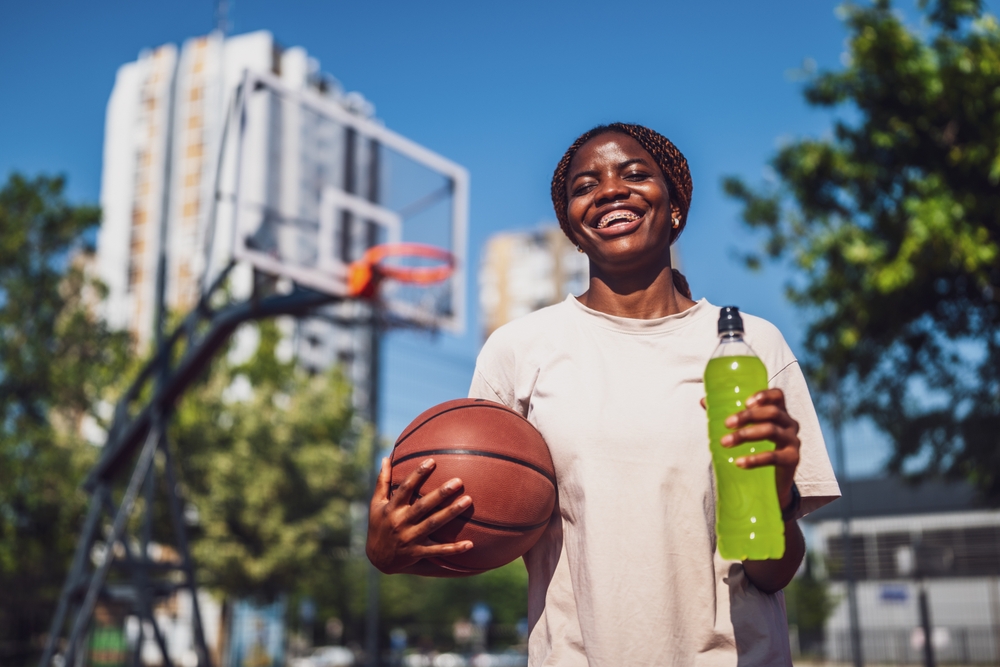
Water is boring. That is what most casual athletes think — until their legs stop working in the third quarter, their vision blurs under the afternoon sun, and their body simply refuses to cooperate. Hydration is not a wellness trend. It is the difference between a great game and a dangerous one.
And nowhere is that reality more visible than on the outdoor basketball court.
Why Hydration Hits Different Outdoors
Playing basketball inside a climate-controlled gym is one thing. Taking that same energy outside — under direct sunlight, on asphalt that radiates heat, with no air conditioning and no breaks — is an entirely different physical demand. The body sweats faster, loses electrolytes quicker, and fatigues at a rate most recreational players are not prepared for.
Research consistently shows that even mild dehydration — as little as two percent of body weight lost in fluids — can noticeably impair athletic performance. Reaction time slows. Endurance drops. Decision-making suffers. For a sport like basketball, where every second and every move counts, that margin is massive. The outdoor environment amplifies every one of those risks, making proper fluid intake not just smart — but survival.
What You Should Actually Be Drinking
Not all drinks are created equal on the court. Here is a simple breakdown
- Water — the gold standard for sessions under 60 minutes; always the safest and most effective choice
- Electrolyte drinks — ideal for longer outdoor sessions where sweat loss is heavy; helps replace sodium, potassium, and magnesium
- Green or natural sports drinks — a growing favorite among younger athletes for their lower sugar content and added vitamins
- Avoid — sodas, energy drinks with high caffeine, and anything loaded with artificial sugar before or during play
The goal is simple. Keep the body fueled without overloading it with ingredients that spike and crash energy levels mid-game. Choosing the right drink before stepping on the court is just as important as choosing the right shoes.
How Much Is Enough
Most athletes underestimate how much fluid they lose during outdoor activity. A general hydration guide for recreational players looks like this
- Drink at least 16 to 20 ounces of water two hours before playing
- Sip 7 to 10 ounces every 20 minutes during activity
- Rehydrate with at least 24 ounces for every pound lost after a session
Carrying a bottle courtside is not optional — it is essential. Making hydration a habit before thirst even kicks in is the smarter play. By the time the body signals thirst, dehydration has already begun. That delay is what separates prepared athletes from those who hit a wall halfway through the game.
Hydration and Mental Performance
The physical side is only half the story. Proper hydration also directly impacts focus, mood, and mental sharpness — all critical components of a competitive game. Studies have linked even short-term fluid loss to increased irritability, reduced concentration, and slower cognitive processing.
For young athletes especially, building a hydration routine early creates habits that carry into every level of competition. The players who show up prepared — bottle in hand, body fueled — are almost always the ones who finish strongest. Mental toughness and physical readiness go hand in hand, and hydration is the thread connecting both.
The Takeaway Every Athlete Should Remember
Talent gets you on the court. Hydration keeps you there.
Whether someone is a weekend warrior shooting hoops at the local park or a serious competitor grinding through outdoor summer training, the rules of hydration do not change. The body needs water. It needs electrolytes. And it needs them consistently — not just when exhaustion sets in.
Small habits compound over time. Drinking enough water daily — not just on game days — builds a baseline that protects the body during high-intensity moments. Athletes who treat hydration as an everyday discipline, rather than a reactive measure, consistently outperform those who do not.
The best athletes in the world treat hydration like a non-negotiable part of their game plan. That green bottle on the sideline is not an accessory. It is armor.
