


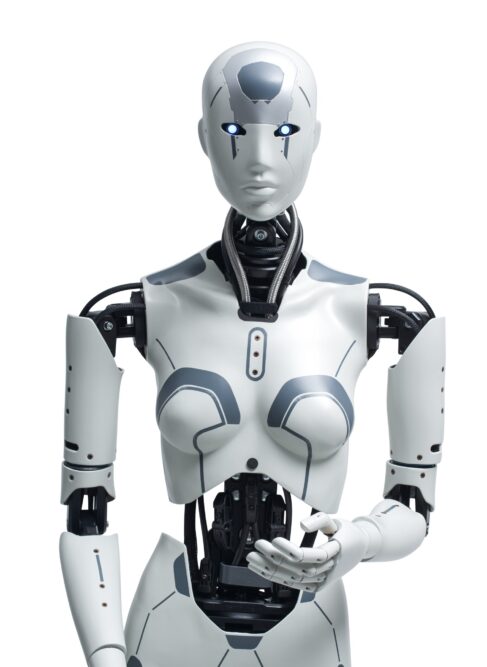
For roughly two decades, practical deployment of humanoid robots has been described as approximately five years away. Each new generation of the technology produced videos of machines walking, dancing and performing carefully staged tasks that generated enormous online engagement and very little commercial impact. The demonstrations were reliably more impressive than the deployments. The promise was consistently more visible than the product.
That pattern appears to be breaking in 2026. Humanoid robots from multiple manufacturers have moved out of controlled demonstration environments and into actual commercial operation across four distinct industries, generating measurable operational data rather than promotional content. The scale is not yet the sweeping transformation that science fiction long promised, but the direction is unmistakable and the pace of adoption is outrunning most analyst projections from just 18 months ago.
Manufacturing and warehousing lead the way
The most commercially advanced deployments are concentrated in manufacturing and warehousing, environments that provide the structured physical conditions current robot capabilities are best suited to navigate. Figure AI, Agility Robotics and Tesla’s Optimus program have all reported active commercial operations, with humanoid robots handling parts, conducting quality inspections and managing inventory in facilities that previously depended entirely on human labor for those functions.
The economic case is being driven by several converging pressures. Labor shortages in physically demanding roles have created persistent staffing gaps that manufacturers have been unable to close through conventional hiring alone. The flexibility of a human-form robot that can operate existing human-designed tools and workspaces without expensive facility modification makes the deployment economics considerably more attractive than purpose-built robotic systems. Early productivity data is showing humanoid robots performing at 60 to 80 percent of experienced human worker output on standardized tasks, a figure that has surprised most industry observers given where commercial maturity currently stands.
Healthcare emerges as an unexpected early adopter
Healthcare has become an unexpectedly strong early adoption environment, specifically in non-clinical support roles. Patient transport within facilities, supply restocking, medication delivery between departments and environmental services are among the functions where active deployments are already underway at several hospital systems. The reported effect is a reduction in the physical burden on nursing staff, freeing clinical personnel for patient-facing care that requires human judgment, empathy and decision-making that robot capabilities cannot currently replicate.
The boundary between support and clinical roles is being maintained carefully and deliberately. These machines are explicitly positioned in logistical functions and do not involve direct patient care decisions or unsupervised physical patient contact. Staff satisfaction data from early deployments is indicating that nursing teams report reduced physical fatigue and improved capacity for patient interaction when robotic support handles the operational workload running in the background.
Retail and hospitality offer the most visible deployments
Retail and hospitality represent the most publicly visible and culturally discussed wave of humanoid robot adoption. Major retail chains across Japan, South Korea and the United States have introduced humanoid robots in customer-facing roles including inventory assistance, wayfinding guidance, shelf restocking and checkout support. Consumer response has been more positive than the industry anticipated, with acceptance rates from early deployments suggesting that the uncanny valley effect, long cited as a barrier to public comfort with humanoid machines, is proving less commercially significant than previous research predicted.
In hospitality, pilot programs exploring hotel concierge support, luggage handling and room service delivery are generating operational data that several major chains are using to inform broader rollout decisions expected later in 2026.
Construction and hazardous environments show the highest potential
Construction and hazardous material handling represent the most complex and highest-potential deployment frontier. The unstructured, constantly changing nature of construction work has historically made it among the most resistant to robotic automation, demanding a level of adaptive physical problem solving that controlled environments do not require. Early deployments in foundation work, material transport, rebar placement and site inspection are producing real world performance that construction industry analysts are describing as genuinely surprising relative to laboratory benchmarks.
The safety argument here carries particular weight. Construction consistently ranks among the most dangerous industries for worker injury and fatality. Deploying humanoid robots in the highest-risk tasks represents a meaningful human safety benefit that exists entirely independently of the productivity and cost arguments. Occupational safety agencies are now actively developing the regulatory frameworks governing these deployments, working to establish standards that simply did not exist until this adoption wave made them necessary.
