


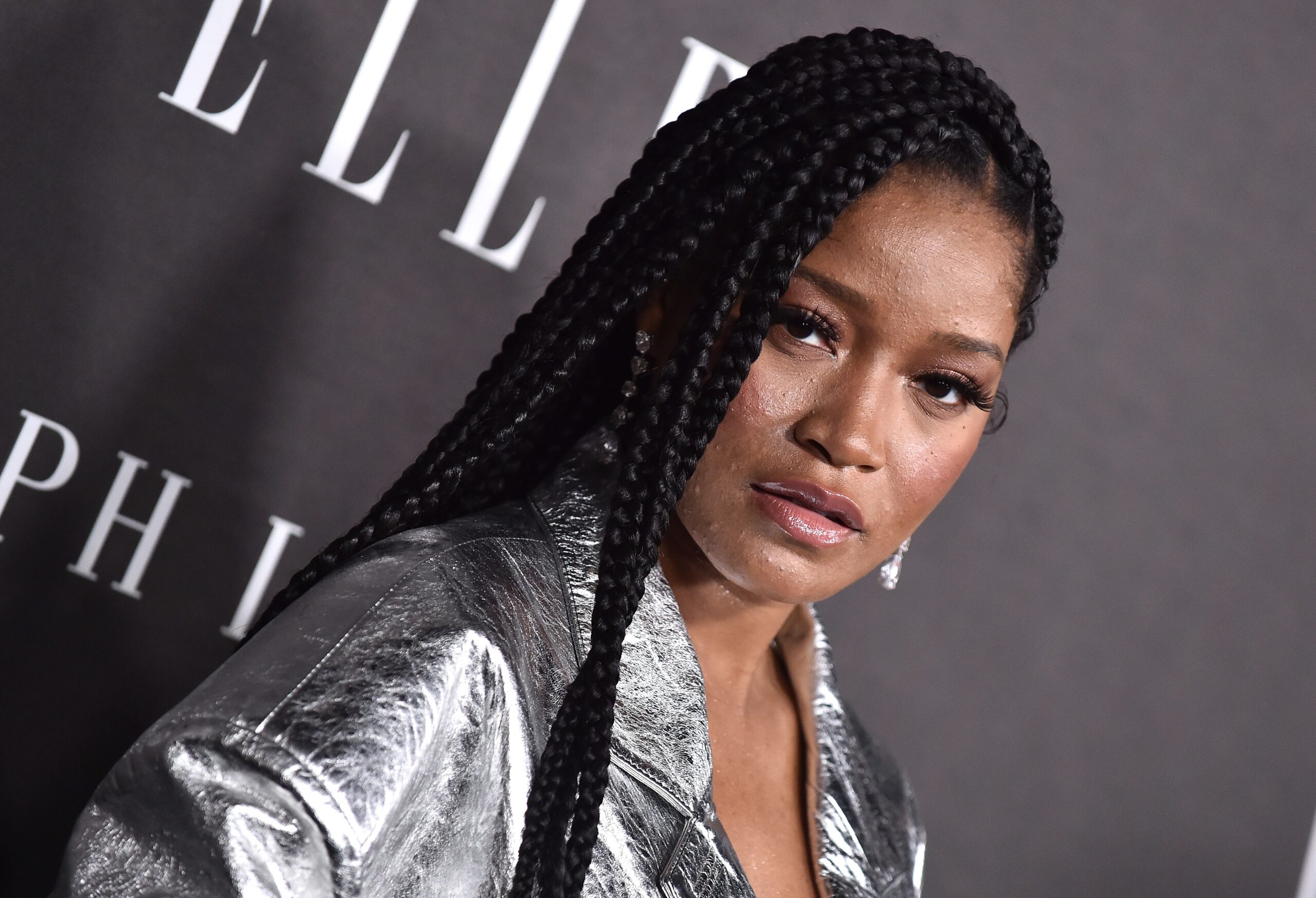
There are moments in entertainment where two people sit down for a conversation and what emerges is far weightier than either of them may have anticipated. That is precisely what happened when Demi Lovato joined Keke Palmer on a recent episode of Baby, This is Keke Palmer. What began as a discussion between two women who came up together in the Disney orbit turned into something more honest and more necessary, a shared reckoning with experiences that neither had fully named until now.
Both women reflected on relationships they had with significantly older men during their teenage years. Palmer was fifteen at the time. Lovato was even younger when she found herself involved with someone in his thirties. The admission landed visibly, and the reaction between the two women in that moment said as much as the words themselves. There was recognition there, the quiet and sometimes painful realisation that two people have been carrying a version of the same story.
Keke Palmer on exploitation and understanding
Palmer has touched on this territory before, but the conversation with Lovato drew out a more layered reflection. She described the specific kind of mental shift that can occur when a person reaches the age of those who were around them during their most formative years. What once seemed normal begins to reveal itself for what it actually was. The language of exploitation, she suggested, does not always arrive in real time. Sometimes it only becomes available in retrospect.
Part of what made those relationships feel acceptable to her at the time, Palmer explained, was the nature of her work. Holding a professional career at fifteen created a sense of maturity that she carried into her personal life, blurring the line between what she was capable of professionally and what she was equipped for emotionally. That distortion, she made clear, did not rest with her. The responsibility sat with the adults in those situations who understood what she could not.
Demi Lovato and shared experience
Lovato’s presence in the conversation added another dimension to a pattern that Palmer had already begun to identify. The fact that two women, from similar backgrounds, with similar public profiles, had lived through such closely mirrored experiences pointed to something structural rather than coincidental. These were not isolated incidents. They were part of a broader dynamic that the entertainment industry has been slow to examine with any real seriousness.
Palmer also referenced Hilary Duff’s 2025 single Mature, drawing a line between that song’s themes and the experiences she and Lovato were describing. The idea that young women in the public eye were repeatedly told they were unusually mature for their age, and how that framing was used to normalise what should never have been normal, struck a chord that extended well beyond the three of them.
How the public responded
The clip from the episode circulated widely on social media, and the response was immediate and largely unified. Viewers expressed anger, sadness, and a clear sense of recognition. Many pointed to the predatory nature of what both women described. Others shared that the conversation reflected experiences far removed from fame or Hollywood, suggesting that the dynamic Palmer and Lovato were naming is one that resonates across a much wider audience.
Keke Palmer on her terms for future relationships
In a separate and lighter moment, Palmer also spoke about the kind of partnership she envisions for herself going forward. She was clear about one thing above all else, her need for personal space. She expressed a strong preference for living independently even within a committed relationship, describing an arrangement where she and a future partner might share the same property but maintain entirely separate living spaces.
The contrast between that self-assured vision and the vulnerability she showed earlier in the conversation was striking, and perhaps that was the point. Palmer knows who she is now. The conversation with Lovato was, in many ways, a testament to how far both women have come in understanding what they deserved all along.
