


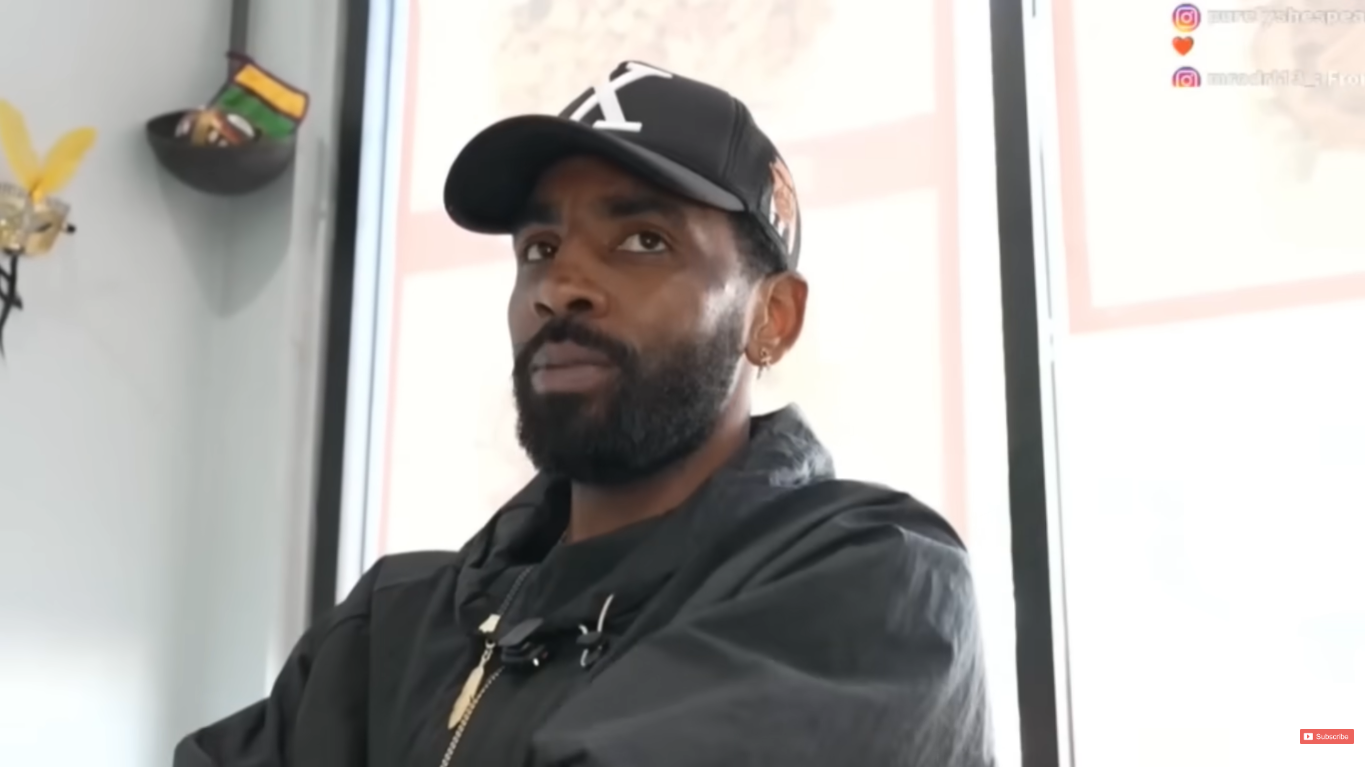
Kyrie Irving will miss the remainder of the 2025-26 season as the Dallas Mavericks continue their recovery rebuild around young star Cooper Flagg. The nine-time All-Star hasn’t played a single game this season while recovering from ACL surgery he underwent last March to repair a torn left knee. Instead of forcing a rushed return, the Mavericks are taking the patient approach: Irving won’t be back until 2026-27, giving him a full offseason to rehab and build chemistry with the franchise’s new direction. The organization announced Wednesday that Irving is making “steady progress in rehabilitation and will remain actively engaged with the team through the remainder of the season.”
This decision reveals something important about the Mavericks’ current strategy: they’re accepting the rebuild rather than fighting it. Dallas traded Anthony Davis to the Washington Wizards in a nine-player blockbuster earlier this month, signaling that the championship window with the old core has closed. The Mavericks are 19-35 entering the post-All-Star break portion of their schedule, sitting fourth in the Southwest Division. They’re not contending. They’re not even trying to. So rushing Irving back doesn’t make sense. Letting him heal completely does.
Irving’s agent, Shetellia Riley Irving, explained the reasoning : “This is about Kyrie being 1,000% when he comes back and giving himself the best chance to chase a championship next season.“ That’s the framework shift here. This season isn’t about winning now. This season is about setting up for legitimate contention when Irving returns with a fully recovered knee and developing chemistry with Flagg. There’s still optimism that Irving could return to practice at some point before the season ends, which would allow him to begin building court chemistry with the rookie star. But actual games? Those are off the table.
The injury itself is brutal for Irving’s timeline: he had ACL surgery in March 2024 and missed the final 20 games of last season. So he’s essentially been sidelined for an entire year. He’s 33 years old, which means every year becomes precious. Rushing back when your body isn’t ready is how veterans extend injuries into career-threatening problems. Irving’s statement reflected the maturity of understanding that: “This decision wasn’t easy, but it’s the right one. I am grateful for the Mavericks organization, my teammates and our fans for their continued support throughout the process.
What’s genuinely striking is Irving’s perspective on the broader injury experience
In his statement, he sent “a huge shoutout to ALL of my brothers and sisters out there who’ve torn their ACL or gotten injured doing what they love to do every day. THANK YOU for the inspiration. No fear!” That’s not a player frustrated about missing time. That’s a player acknowledging the community of athletes dealing with the same adversity. He added: “The belief and drive I have inside only grows.”
The statistical context demonstrates just how important Irving is when healthy. Since joining the Mavericks during the 2022-23 season, Dallas is 75-53 with him in the lineup. Without him? The record is 42-75. That’s a 33-game swing in win-loss percentage. That illustrates why forcing a premature return risks everything.
The Mavericks’ rebuild timeline makes sense now
Irving won’t return until 2026-27. Flagg gets a full season to develop without pressure. The organization can construct the right supporting cast. By the time Irving comes back healthy, the Mavericks could theoretically be positioned to contend with a young, developing core and a veteran leader who’s had a full year to recover.
That’s patient roster management in an impatient league. It’s the right call even when it feels wrong.
