


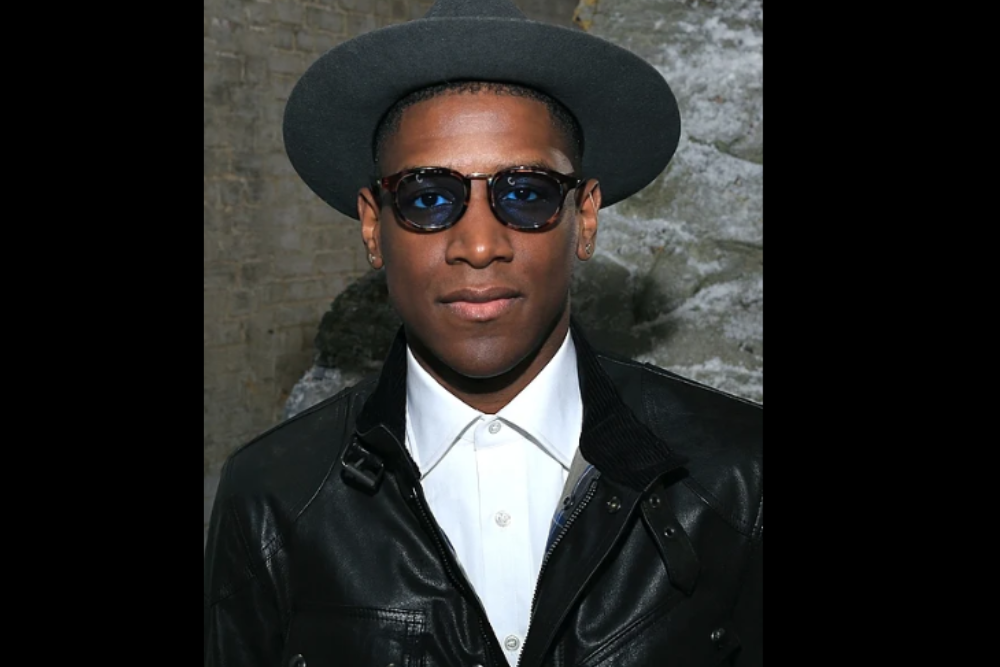
British composer Labrinth has stepped away from HBO’s Euphoria, marking a notable shift in the show’s creative team as it prepares for its upcoming season. His exit has drawn attention across the entertainment industry, not only for its impact on the series’ sound but also for the way he framed his departure.
Rather than presenting the move as a standard creative transition, Labrinth described it as a matter of personal boundaries. His comments pointed to frustration with professional dynamics in the industry and a refusal to continue working in conditions he felt undermined respect and trust.
Departure
The timing of his exit, just ahead of the show’s next season rollout, added to speculation among fans about behind the scenes tensions. Labrinth made clear that his decision was rooted in principle rather than artistic disagreement alone.
He suggested that his experience reflected a broader issue in the entertainment industry where collaborators may feel pressure to compromise on how they are treated in professional settings. His remarks positioned the decision as part of a larger conversation about respect, accountability, and working relationships in high profile productions.
Prior to this announcement, he had also shared a separate post expressing frustration with aspects of the industry, signaling that dissatisfaction had been building over time.
Euphoria
Since its debut, Euphoria has been closely tied to its distinctive musical identity. Labrinth played a central role in shaping that sound, contributing atmospheric compositions that became a defining part of the show’s emotional tone.
Series creator Sam Levinson acknowledged Labrinth’s influence on the show’s sonic direction, crediting him with helping establish its musical foundation. Even as Labrinth exits, the production has signaled a shift in approach for the upcoming season, suggesting a new musical direction designed to reflect changes in the characters’ journeys.
That evolution includes a reported move toward a more traditional orchestral style, marking a departure from the heavily stylized electronic and pop driven sound that defined earlier seasons.
Music
Labrinth’s work on the series earned significant recognition, including award winning tracks that became closely associated with key moments in the show. His contributions helped bridge narrative and sound in a way that elevated emotional storytelling and set the tone for several pivotal scenes.
With his departure, the series is preparing to introduce a new composer. Hans Zimmer has been brought in to shape the next phase of the show’s score, signaling a shift toward a more cinematic soundscape.
The transition reflects both continuity and change. While the show maintains its focus on stylized storytelling, its musical identity is entering a new phase that may reshape how audiences experience its atmosphere.
Industry
Labrinth’s exit also highlights ongoing conversations within the entertainment industry about creative control and working relationships. Artists and composers working in television often balance artistic vision with production demands, a dynamic that can lead to tension when expectations diverge.
His decision has resonated with many who view it as part of a broader push for clearer boundaries and healthier collaboration practices in high pressure creative environments.
At the same time, the show’s production team appears focused on moving forward with a refreshed creative direction. The introduction of a new scoring approach suggests an effort to evolve the series while maintaining its emotional core.
Transition
As Euphoria prepares for its next chapter, Labrinth’s departure leaves a noticeable gap in its artistic identity. His influence helped define the sound of the series from its earliest episodes, shaping how audiences connected with its storytelling.
The shift now underway reflects both an ending and a reset. For Labrinth, it marks a step back toward personal boundaries. For the series, it opens a new direction that will test how its evolving vision resonates with viewers.
