


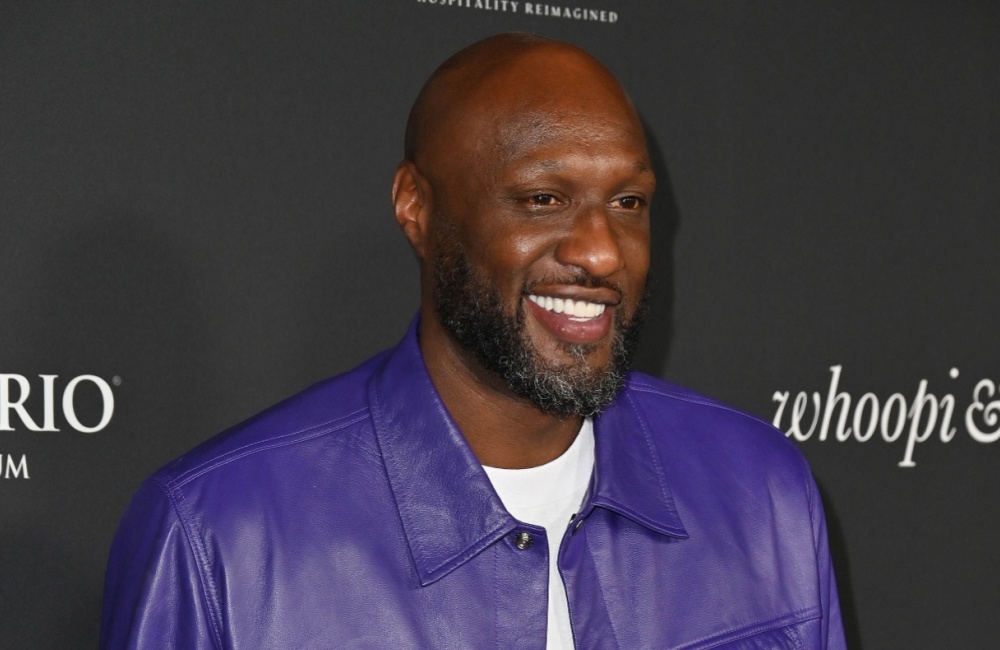
A new Netflix documentary about Lamar Odom’s near-fatal 2015 overdose has reignited a complicated conversation about survival, credit, and competing memories. The film, which premiered at the end of March, focuses on the events surrounding Odom’s collapse at a Nevada brothel and the four months he spent recovering in a hospital, during which time Khloé Kardashian, his estranged wife at the time, remained consistently at his bedside despite having already filed for divorce.
Odom suffered six heart attacks and twelve strokes and spent three days in a coma. What followed was a recovery that his doctors described in terms that bordered on extraordinary. The documentary presents Kardashian’s account of those events, including details about Odom’s father and the decisions made in the hospital’s earliest hours. Odom, now 46, has taken issue with significant portions of that account.
Crediting God over Khloé
In a television interview following the documentary’s release, Odom was asked directly whether he felt that Kardashian had saved his life. His answer was measured but pointed. He acknowledged that she had stood by him and provided care during his recovery but was clear that he attributed his survival primarily to his faith rather than to her presence. He described what he came back from as a medical miracle and said that his belief in a higher power was the foundation of how he understood the experience.
The hosts pressed the question, noting that Kardashian had maintained her commitment to his recovery despite the circumstances of their separation. Odom did not dispute the fact of her involvement but was consistent in placing spiritual intervention above any human contribution to the outcome.
Disputing the account of his father
The documentary includes Kardashian’s account of arriving at the hospital to find Odom’s father already there and allegedly instructing medical staff to discontinue life support. She suggested his motivation may have been financial and claimed the situation was resolved after she gave him a small amount of money and a pair of sneakers, after which he departed and never returned.
Odom directly challenged this version of events. He noted that he was unconscious throughout the period in question and therefore had no firsthand knowledge of what took place. But he rejected the characterization of his father as someone capable of what was described, speaking about him with clear affection. He wore a necklace bearing photos of both his late parents during the interview, a detail that underscored the weight of the subject for him. His father died in 2021. His mother passed away from cancer when Odom was ten years old.
The crack relapse and the final break
The documentary also addresses what happened after Odom was discharged. Kardashian arranged housing for him near her home, covered the cost of a caretaker, and provided other forms of ongoing support. The arrangement ended when she visited unexpectedly and discovered he was using crack cocaine. The confrontation that followed was significant enough that she told him she never wanted to speak to him again.
The estrangement lasted nearly a decade. The two reconnected in early 2025 when they reunited for a television appearance in which Odom came to retrieve personal items that had remained in Kardashian’s possession since their divorce. Odom described the encounter as awkward and said it was not an easy experience, though he offered no additional detail. He characterized their bond as permanent in the way that family connections tend to be, while making clear that the relationship would not return to anything romantic. He said he would always hold affection for her but that being in love was no longer part of the picture.
