


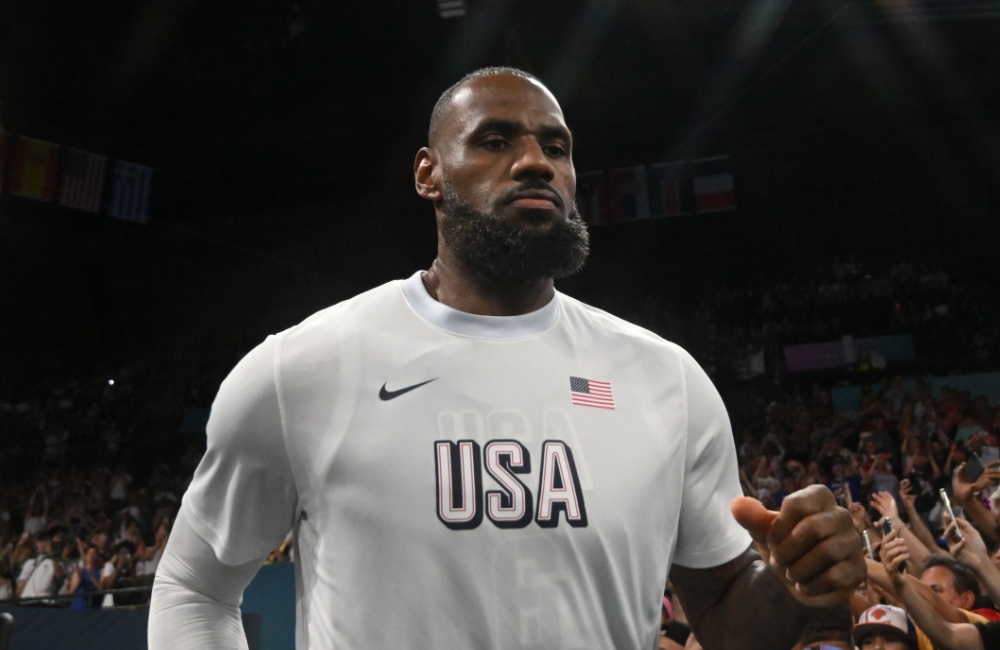
LeBron James has done it again. The Los Angeles Lakers forward made history on March 21, 2026, stepping onto the court for his 1,612th regular-season game — surpassing Robert Parish for the most appearances in NBA history. It is a record that speaks not just to talent, but to an almost incomprehensible level of discipline, durability, and dedication to the game.
Parish played 21 seasons across four decades and was considered untouchable in the longevity department. LeBron just touched it — and walked right past it without breaking stride.
A Record Built on Relentless Dedication
To understand what 1,612 games means, consider everything that stands between a player and that number. Injuries. Age. Fatigue. The brutal physicality of an 82-game season repeated year after year. The mental weight of performing at the highest level while the entire basketball world watches every single night.
LeBron has navigated all of it. For over two decades he has maintained a standard of physical preparation that has become legendary across professional sports. His investment in his body — sleep, nutrition, recovery, and training — is well documented and widely credited as the primary reason he continues to compete at an elite level well into his 40s.
He is reported to spend over a million dollars annually on his body. That number sounds extreme until you see the results standing at half court, still moving like a player a decade younger.
The longevity record is not a participation trophy. It is the direct result of choices made every single day across an entire career.
Where LeBron Stands Among the All-Time Greats
LeBron already owns the NBA’s all-time scoring record, having surpassed Kareem Abdul-Jabbar in 2023. He is a four-time NBA champion, a four-time Finals MVP, and a four-time league MVP. He has represented his country in multiple Olympic Games and has been the defining figure in professional basketball for more than two decades.
The longevity record adds an entirely different dimension to his legacy. Scoring records reflect brilliance. Longevity records reflect something far rarer — the ability to sustain that brilliance across time in a league that is constantly evolving, constantly producing new talent, and constantly raising the standard higher.
LeBron has met every new standard the league has set and raised it further.
What This Means for His Legacy
The conversation around LeBron’s place in basketball history has never been louder. Every record he breaks reframes the debate and forces a recalibration of what is considered possible in professional basketball.
Robert Parish was 43 years old when he played his final NBA game. LeBron surpassing his games-played record while still performing at a championship level is a statement that goes beyond statistics. It is a declaration that longevity and excellence are not mutually exclusive — that a player can age without diminishing, compete without declining, and inspire without slowing down.
For younger players across the league, LeBron’s career has become a blueprint. Not just for how to play the game, but for how to sustain a career that the sport will still be talking about long after the final buzzer sounds.
The Night the Record Fell
The moment itself was fitting. Playing against the Orlando Magic on March 21, 2026, LeBron took the court and did what he has always done — competed. The record did not arrive with a dramatic buzzer-beater or a standout statistical performance. It arrived the way all great longevity milestones do — quietly, through the simple act of showing up one more time.
The arena acknowledged it. His teammates acknowledged it. The basketball world paused for a moment and acknowledged it. Then the game continued — because for LeBron, it always does.
The Game Goes On
LeBron has not indicated any plans to step away. If anything, breaking this record appears to have energized rather than satisfied him. The possibility of one day sharing an NBA court with his son Bronny James remains part of the ongoing conversation around his career, adding a storyline that no other player in league history has ever written.
What is certain is that the 1,612th game will be remembered as another defining chapter in the most decorated individual career professional basketball has ever produced.
The record is his. The game continues.
