


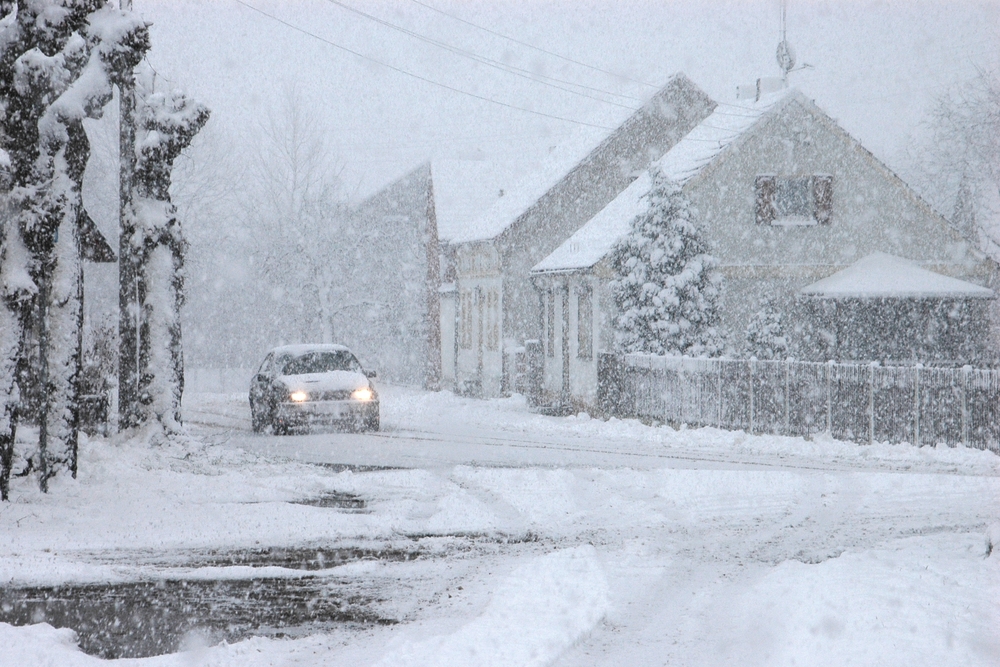
A colossal winter storm is barreling toward the United States, threatening to blanket more than two dozen states with heavy snow, treacherous ice and bone-chilling temperatures from Friday through the weekend. Meteorologists are calling it potentially one of the most devastating winter events of the season, with forecasts showing more than 230 million Americans in its destructive path.
The storm’s trajectory cuts a wide swath across the nation, targeting major metropolitan areas from the Sun Belt to the Northeast corridor. Cities bracing for impact include Dallas, Austin, Oklahoma City, Nashville, Atlanta, Charlotte, Washington, Baltimore, Philadelphia, New York City and Boston. The sheer scope of the weather system has prompted emergency declarations in multiple states as officials scramble to prepare for what could become a historic winter disaster.
Widespread Chaos Expected
The combination of heavy snowfall, sleet and freezing rain poses severe threats to power infrastructure, transportation networks and daily life across affected regions. AccuWeather chief meteorologist Jonathan Porter delivered a sobering assessment, warning that potentially hundreds of thousands of residents may lose electricity and heating for extended periods.
Winter storm watches now cover more than 122 million people, stretching from Arizona to New York and dipping as far south as Texas. The National Weather Service has urged residents to complete preparations immediately and monitor forecasts closely for updates as conditions evolve.
The aftermath may prove just as challenging as the storm itself. Frigid temperatures following the precipitation will extend the impacts of accumulated snow and ice, creating hazardous conditions that could persist for days. Communities face the prospect of impassable roads, shuttered schools and widespread service disruptions.
Emergency Measures Activated
Four states have already declared emergencies ahead of the storm’s arrival. Georgia, Texas, North Carolina and South Carolina activated their response protocols, allowing officials to mobilize personnel and deploy equipment.
Georgia has positioned 250 National Guard troops for potential deployment in storm preparation, response and recovery operations. Texas officials are directing residents to check road conditions before traveling and heed guidance from state and local authorities.
North Carolina’s government is advising residents to gather necessary supplies before the storm arrives and develop contingency plans for potential power outages. Officials are urging people to stay home and avoid roads unless absolutely necessary, allowing first responders to work safely and effectively.
South Carolina authorities are emphasizing the unpredictable nature of winter weather, which can deteriorate rapidly and create dangerous conditions with minimal warning. Residents throughout the region are being told to monitor local forecasts and take appropriate precautions.
Severity Scale Shows Alarming Projections
The National Oceanic and Atmospheric Administration’s winter storm severity index paints a troubling picture of expected impacts. The scale measures threats to travel and critical infrastructure, ranging from minor winter weather advisories to extreme disruptions of daily life.
A substantial portion of the country faces significant to extreme impacts. Parts of Mississippi are forecast to experience the highest severity level, indicating substantial disruptions to normal activities and potentially life-threatening conditions.
Arctic Temperatures Compound Dangers
Beyond precipitation, Arctic extreme cold will grip the north-central United States later this week. More than 29 million people across Minnesota, Wisconsin, North Dakota, and northern Michigan are under extreme cold warnings.
Forecast temperatures paint a frightening picture. Detroit may plummet to 10 below zero, while Chicago could see 12 below. Minneapolis faces readings near 20 below zero, and International Falls, Minnesota, might experience a staggering 40 below zero.
The National Weather Service is strongly advising people in warning areas to avoid outdoor exposure. Those who must venture outside should dress in multiple layers, cover all exposed skin, and ensure someone else knows their location and expected arrival time.
Education Decisions Pending
New York City officials are weighing whether to implement traditional snow days or require virtual learning as the storm approaches. Mayor Zohran Mamdani indicated no final decision has been made regarding Monday’s school operations, with administrators evaluating potential impacts and outcomes.
The region could receive between 8 and 16 inches of snow, creating challenging conditions for students, parents and educators throughout the metropolitan area.
Nature’s Violent Response
The extreme cold has sparked discussions about unusual winter phenomena, including so-called exploding trees. When temperatures drop suddenly, water or sap inside trees can freeze and expand rapidly. Excessive pressure sometimes causes bark to split or trunks to crack in what experts call frost cracks. While these events can be loud and cause branches to fall, complete tree explosions remain extremely rare.
Preparation Remains Critical
Emergency management experts recommend having plans and supplies ready before conditions deteriorate. Essential preparations include building vehicle emergency kits, sealing drafts in homes, wrapping exposed pipes, clearing drainage systems and maintaining snow-removal equipment. Alternative power sources may prove invaluable if outages occur.
As the storm approaches, the message from officials remains consistent—prepare now, stay informed, and prioritize safety over convenience during what could become one of winter’s most punishing displays.
Source: Yahoo
