


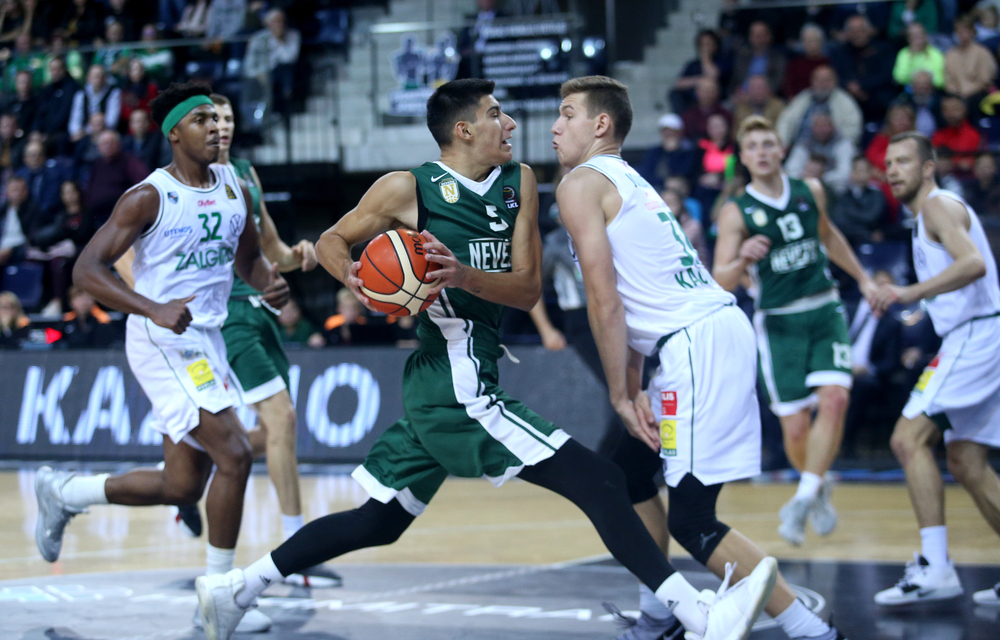
EuroLeague clubs rejected a formal merger offer from the NBA this week, though plans for a separate NBA Europe competition are proceeding regardless, with a 16 team league targeted for as early as the 2027 to 28 season.
How solid is the rejection?
Less than the word suggests. European basketball officials involved in negotiations indicate a significant number of the 13 permanent EuroLeague clubs have expressed interest in joining NBA Europe, and talks are expected to continue. What held this week was a collective position, not a settled one, and the source material describes a fractured situation with clubs weighing their own futures.
What was the offer?
A merger into a single operation, following more than two years of work. Several European outlets have characterised it as a buyout of the EuroLeague. The decision was taken at a rare gathering of clubs at Lake Como, and the outcome was not a surprise to those involved.
What happens now?
The NBA proceeds alone. It has received bids on European expansion franchises reported to exceed $1 billion in some markets, and intends to compete directly with the EuroLeague for supporters, media rights and sponsorship. That is the pressure the rejection does not relieve.
What would the format be?
Dual competition. Clubs would play in their national leagues on preferred weekend dates and in NBA Europe midweek, with expanded rosters to carry the load of two competitions and an emphasis on European player development. That design is deliberate, since it asks clubs to add a competition rather than abandon anything, which lowers the cost of saying yes.
Is there precedent?
A direct one. A breakaway league split European basketball in 2000, producing a divided and unprofitable season before the two merged the following year to survive, which created the modern EuroLeague. The relevant lesson is that a split proved financially intolerable for both sides within twelve months.
How is the NBA framing it?
As a long horizon investment. Owners were briefed last month and one described the venture as a 20 year project approached on those terms. That framing matters because it means short term losses are anticipated rather than disqualifying, and a competitor willing to lose money for years is difficult for existing clubs to outlast.
Where does leverage sit?
With whoever can wait. The EuroLeague holds history, established clubs and existing rights deals. The NBA holds capital, a global brand and a stated tolerance for a two decade timeline. Individual clubs hold the decision, and each one that moves weakens the position of those remaining.
What should be watched?
Individual club announcements rather than collective statements. A coalition that rejected an offer while several of its members want to accept it is a position under strain, and the first defection will say more about NBA Europe than this week’s vote did.
