


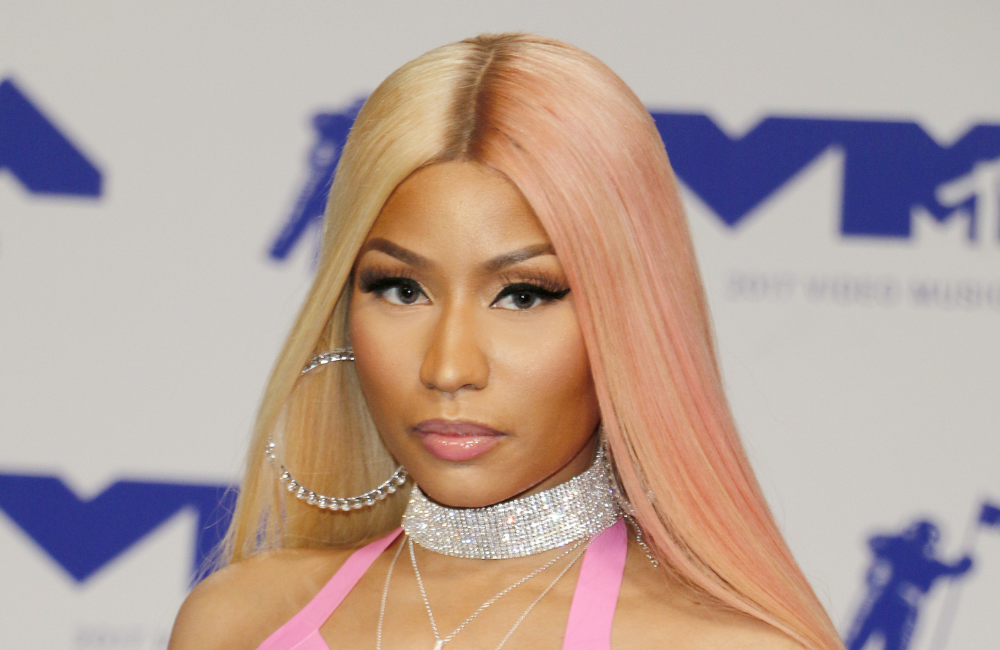
It started simply enough. A Nigerian medical doctor and social media personality known online as Dr. Penking came across a fan-posted video of Nicki Minaj on X, added a caption suggesting she had gotten old and should consider retiring, and moved on with his day. Within hours, that calculus changed entirely.
Minaj responded with a since-deleted post tagging her attorney and accusing the influencer of using the clip to harass her, warning him that he had been added to a lawsuit. It was the kind of response designed to intimidate. Instead, it did the opposite. Dr. Penking replied publicly, standing firmly behind his opinion, making clear he would not be bullied and that he and his team were ready to receive any legal papers she cared to send. His post has since surpassed six million views.
What began as a throwaway comment became a viral moment. And Nicki Minaj’s legal threat did not suppress it. It became the story itself.
A familiar playbook
This was not the first time Minaj has responded to online criticism by going after the person who made it. In 2018, a freelance writer posted a mild critique of her music and received a string of private insults in response. When the writer made those messages public, she described weeks of harassment from fans that left her mentally and physically drained. A cultural commentator who criticized Minaj in 2022 reported receiving threats of violence, with reporting at the time suggesting that Minaj’s own account had engaged with posts attacking her.
The pattern was consistent. Minaj would spotlight a critic, her fanbase would mobilize, and the target would spend months dealing with the fallout while she moved on. It worked because the targets had something to lose and little appetite for a prolonged fight.
Why this time was different
Dr. Penking broke that pattern by doing something none of the previous targets had done. He treated the threat as an opportunity. He did not apologize, did not go private and did not back down. He posted his response publicly, turned his page into a live chronicle of the exchange and watched his follower count climb in real time. Nicki Minaj became the single greatest thing to ever happen to his platform.
There is also a legal dimension worth noting. Dr. Penking maintains he did not post the original video, only quoted a clip that had already been shared by a fan account. His caption was an opinion, and under U.S. defamation law, opinions are generally far more difficult to pursue legally than false statements of fact. Threatening legal action over a post like that shifts the optics considerably, and not in Minaj’s favor.
A precarious moment to pick a fight
The timing made the situation worse. Minaj is not threatening legal action from a position of uncomplicated strength. A former fan is pursuing a multimillion dollar defamation suit alleging she falsely accused him of criminal conduct. A former manager filed suit last year claiming she struck him backstage during a tour. Earlier this year, she satisfied a substantial default judgment at the last minute to prevent a forced sale of her home. Two attorneys have withdrawn from her side in one of those ongoing cases.
That is the backdrop against which she chose to go after a Nigerian influencer for calling her old.
The Streisand effect in real time
There is a well-documented phenomenon in which attempts to suppress content online result in that content reaching a far larger audience than it ever would have otherwise. This episode has become one of the more vivid recent examples. Minaj’s response transformed a niche platform exchange into a story covered across entertainment and media outlets worldwide, introduced Dr. Penking to audiences who had never heard of him and gave everyone with an opinion about Nicki Minaj a fresh reason to weigh in.
Dr. Penking has shown no signs of regret. He has continued posting, continued standing by his original statement and continued benefiting from the attention. The old playbook only works when the other person has something to lose. He did not.
