


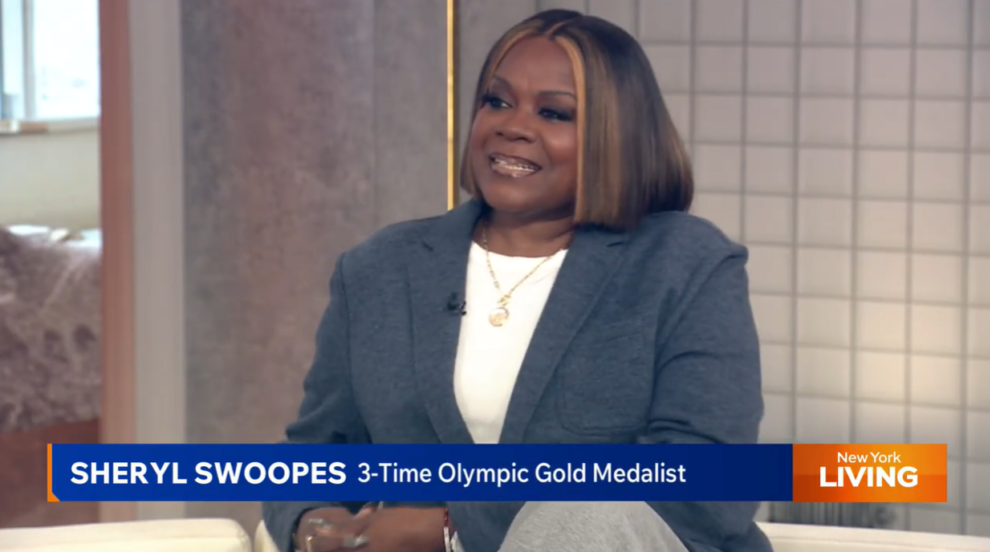
Sheryl Swoopes has spent decades building a legacy that most athletes only dream of three Olympic gold medals, multiple WNBA championships, a landmark Nike shoe deal and a well earned place in the Basketball Hall of Fame. But these days, the conversations she is most committed to are happening far from any court.
In partnership with radiology provider RadNet, Swoopes opened the doors to a deeply personal experience, allowing cameras to follow her through her most recent annual mammogram at Lenox Hill Radiology in New York City. The goal was simple but profound: show women, particularly Black women, that getting screened is nothing to fear and everything to embrace.
A conversation Black communities aren’t having
For Swoopes, the collaboration with RadNet goes beyond a typical celebrity partnership. She has traveled with the organization to host events and lead discussions around the importance of screenings and early detection, bringing those conversations directly into communities where they are often absent.
She has been candid about the silence that surrounds health in many Black households a silence that can have fatal consequences. Breast cancer is the most commonly diagnosed cancer among Black women in the United States, and they are significantly more likely to die from it than white women, according to the American Cancer Society. That gap, researchers note, is closely tied to delayed screenings and limited access to culturally competent care.
Swoopes has made it her mission to change that, using her platform to push through the discomfort and start the conversations many families are avoiding.
Her own delayed start
Despite growing up with a family history marked by loss eight relatives lost to cancer, including two aunts who died from breast cancer specifically Swoopes did not get her first mammogram until she was 52 years old.
She has been open about how apprehension and a lack of information contributed to that delay. Without candid conversations among friends or family about what the process actually involves, fear quietly took the wheel.
What turned things around was finding a Black female physician through RadNet who made her feel heard, understood and safe. That experience reshaped her entire relationship with preventive care and illustrated something she now speaks about frequently: the importance of finding a doctor you trust, especially as a Black woman navigating a medical system that has not always treated patients equitably.
A health scare that made it real
The urgency behind Swoopes’ advocacy is not abstract. After her very first mammogram, her doctor flagged something concerning in the imaging of her right breast. A biopsy was ordered to rule out breast cancer.
The results came back clear. But the experience of sitting with that uncertainty of not knowing gave Swoopes a visceral understanding of what is at stake when screenings are skipped or postponed. Rather than retreating from the experience, she leaned into it, committing to annual appointments and channeling the ordeal into fuel for her advocacy work.
Why she is letting the world watch
Allowing cameras into such an intimate medical moment was a deliberate choice. Swoopes wanted to pull back the curtain on a process many women build up in their minds as something far more daunting than it is. A mammogram typically takes between 30 and 45 minutes, and catching a potential issue early can be the difference between a manageable diagnosis and a life-threatening one.
Her message to women approaching 40, to those who are already overdue, and to anyone who has been quietly putting it off is direct: the time is now. Advocating for your own health is not optional no one else will do it for you.
The work that matters most
Swoopes has said publicly that this chapter of her life, the advocacy work, the partnerships, the travel and the tough conversations, gives her a deeper sense of purpose than any trophy or title ever could.
The hope is that somewhere, Swoopes who has been hesitating will hear her story, recognize herself in it and finally make that appointment. One screening, one conversation, one act of self-advocacy at a time that is how lives get saved.
