


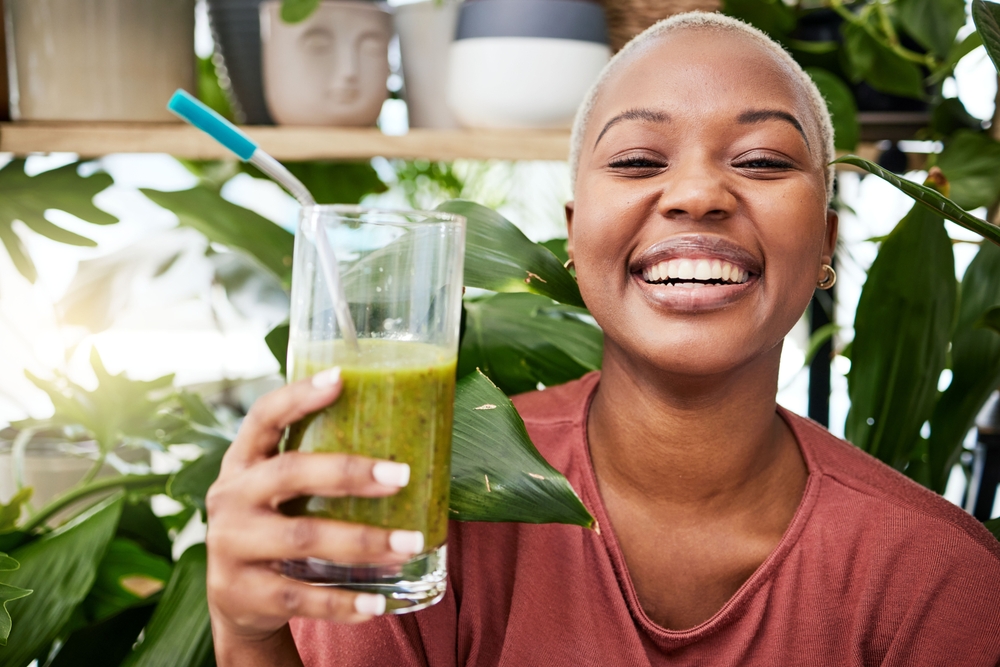
Fruit, honey, juice and flavored yogurt feel like clean eating — your body is reading something closer to dessert
You woke up early, skipped the pastry, pulled out the blender and made something green or fruity and congratulated yourself on a strong start. That smoothie felt like discipline. It had fruit in it. It had yogurt. It possibly had the word “detox” adjacent to its recipe title somewhere on the internet.
And yet by mid-morning you are hungry again, slightly foggy and wondering why clean eating feels like it is not working.
The smoothie might be why.
What is actually in a typical smoothie
A standard homemade smoothie — two cups of fruit, a splash of fruit juice as the base, a spoonful of honey for sweetness and a serving of flavored yogurt for creaminess — contains a significant amount of sugar. Not added-sugar-in-junk-food sugar, but sugar nonetheless, and the body’s insulin response does not distinguish between the two as meaningfully as the wellness industry would like.
The problem is not the fruit. Whole fruit comes packaged with fiber, which slows the absorption of its natural sugars and blunts the insulin response. When fruit is blended and combined with juice — which has had most of its fiber removed — and sweetened yogurt, the fiber-to-sugar ratio shifts considerably. What remains is a concentrated sugar load that absorbs quickly, spikes blood glucose and triggers an insulin response that can leave energy levels unstable within a couple of hours.
Why natural sugar still counts
Natural sugar and added sugar behave similarly once they reach the digestive system. The source matters for nutritional context — fruit carries vitamins, antioxidants and some fiber that refined sugar does not. But the insulin response to a large quantity of natural sugar consumed quickly, without sufficient protein or fat to slow absorption, is not dramatically different from the response to other fast-digesting carbohydrates.
Flavored yogurt adds another layer. Most flavored yogurts contain between 15 and 25 grams of sugar per serving, which is comparable to some desserts. Combined with fruit, juice and honey in a single blended drink consumed in under five minutes, the total sugar load in a smoothie people consider a health food can easily exceed what they would eat in a deliberate treat.
What balancing a smoothie actually means
The fix is not to stop making smoothies. It is to build them differently. Protein slows gastric emptying and blunts the blood sugar spike that an all-fruit smoothie produces. A scoop of protein powder, a serving of Greek yogurt instead of flavored yogurt, or a tablespoon of nut butter all add the protein and fat that convert a sugar-heavy drink into something that functions more like a balanced meal.
Fiber helps too. Adding leafy greens, chia seeds or ground flaxseed increases the fiber content and further slows sugar absorption. Using whole fruit rather than juice as the liquid base preserves more of the natural fiber. Skipping the honey when the fruit is already sweet enough eliminates an addition that most smoothies do not need once the rest of the ingredients are balanced.
The clean eating trap
The broader issue is that clean eating labels — natural, whole food, no refined sugar — create a perception of nutritional safety that does not always hold under scrutiny. A food can be made entirely from whole ingredients and still produce a metabolic response that works against energy stability, satiety and blood sugar balance if the macronutrient ratio is off.
Understanding what is actually in a smoothie, rather than what category it belongs to, is the difference between a drink that keeps you full and focused until lunch and one that sends you to the snack drawer by 10 a.m. The blender is not the problem. The recipe just needs a second look.
