


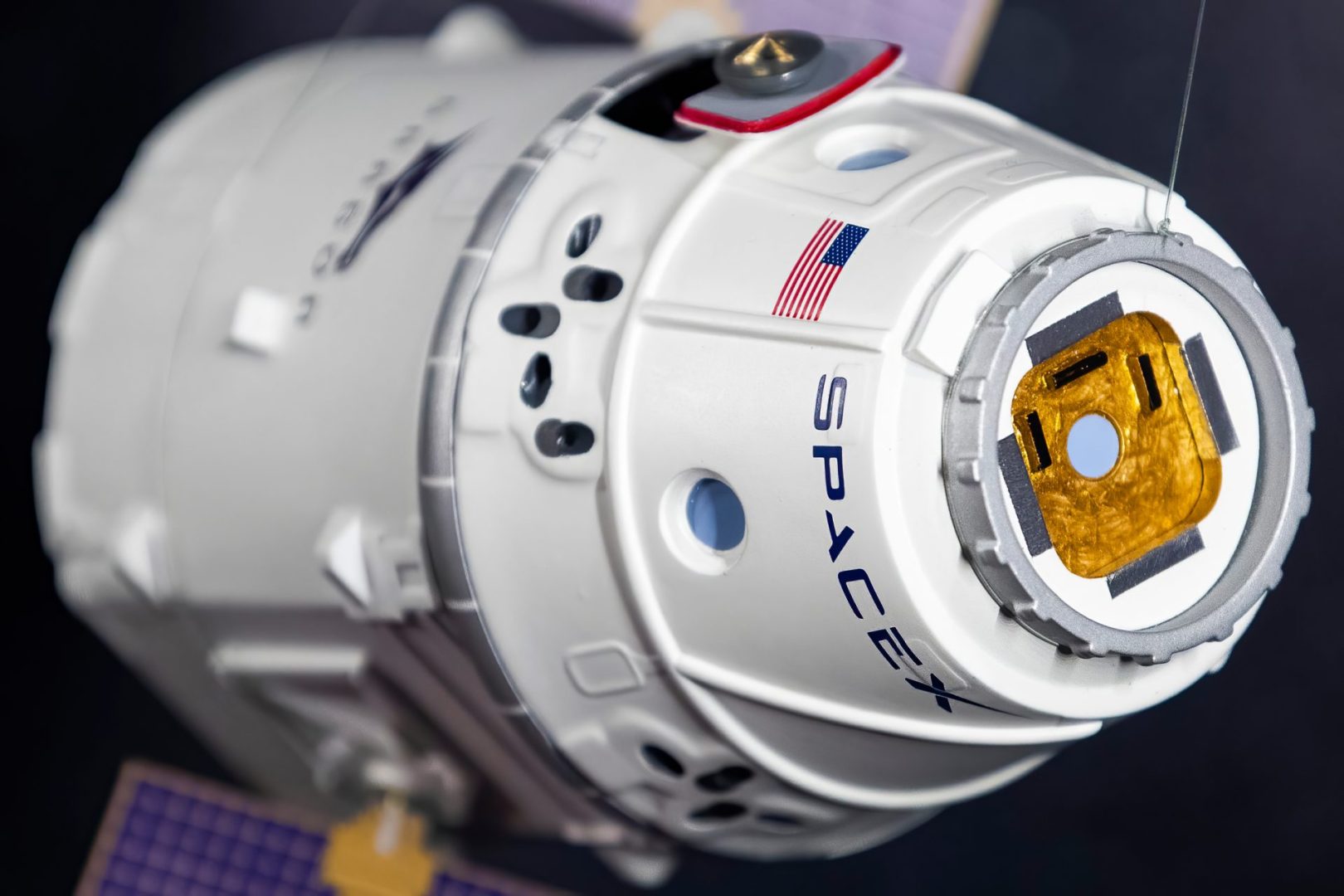
SpaceX is moving closer to one of the most anticipated public market debuts in recent memory, and the company has revised its valuation target downward following consultations with advisers and investors. The rocket and artificial intelligence company founded by Elon Musk is now aiming for a valuation of at least $1.8 trillion as it prepares to go public, a figure that remains extraordinary by any standard even after the adjustment from an earlier goal that had exceeded $2 trillion.
The revision reflects a common pattern in large-scale public offerings, where target valuations are refined based on real-time feedback from the institutional investors and financial partners closest to the process. People with knowledge of the situation have indicated that details including final size and pricing remain subject to change as the company moves through the formal marketing phase.
A record-setting fundraising goal
SpaceX is seeking to raise as much as $75 billion through its initial public offering, a figure that would make it the largest IPO in history if achieved. The sheer scale of the fundraising ambition reflects the company’s positioning not simply as a rocket manufacturer but as a sprawling technology enterprise with ambitions that span satellite internet, artificial intelligence infrastructure and what the company has described as a total addressable market measured in the tens of trillions of dollars.
The company’s IPO filing from mid-May laid out this broader vision in considerable detail, describing a business that has evolved from its origins in reusable rocket technology into something that looks increasingly like a vertically integrated technology conglomerate with space at its core.
Revenue growth alongside a significant financial loss
SpaceX’s financial picture heading into the public offering is a study in contrasts. The company generated nearly $19 billion in revenue during 2025, a meaningful increase from the previous year. However, that same period saw the company swing from a substantial profit to a loss approaching $5 billion, a shift that will likely be a central point of scrutiny for investors evaluating the offering.
The company’s trajectory suggests a business in aggressive investment mode, prioritizing expansion and infrastructure buildout over near-term profitability. That story is familiar in the technology sector and will be central to how SpaceX pitches itself during the formal investor marketing period.
The xAI acquisition adds a new dimension
Earlier this year SpaceX announced that it had acquired Musk’s artificial intelligence venture, bringing the Grok chatbot and the social media platform X under the same corporate umbrella. The deal assigned SpaceX a valuation of $1 trillion at the time of the transaction and gave xAI a separate valuation of $250 billion.
The acquisition significantly reshapes what SpaceX represents to potential investors. The company is no longer solely a story about launching rockets and delivering satellite internet through its Starlink network. It is now also making a direct play for relevance in the AI infrastructure space, an area that commands enormous investor attention and premium valuations across the broader technology market.
Timeline and market listing details
SpaceX is expected to begin formal investor marketing in the first week of June, with pricing anticipated to follow roughly a week later. The company plans to list on Nasdaq under a dedicated ticker symbol, with a secondary listing on Nasdaq Texas. A group of five major financial institutions is leading the offering alongside nearly twenty additional banking partners, reflecting the magnitude and complexity of bringing a company of this scale to public markets.
The final valuation and terms remain subject to adjustment based on how investor conversations develop during the marketing period.
