


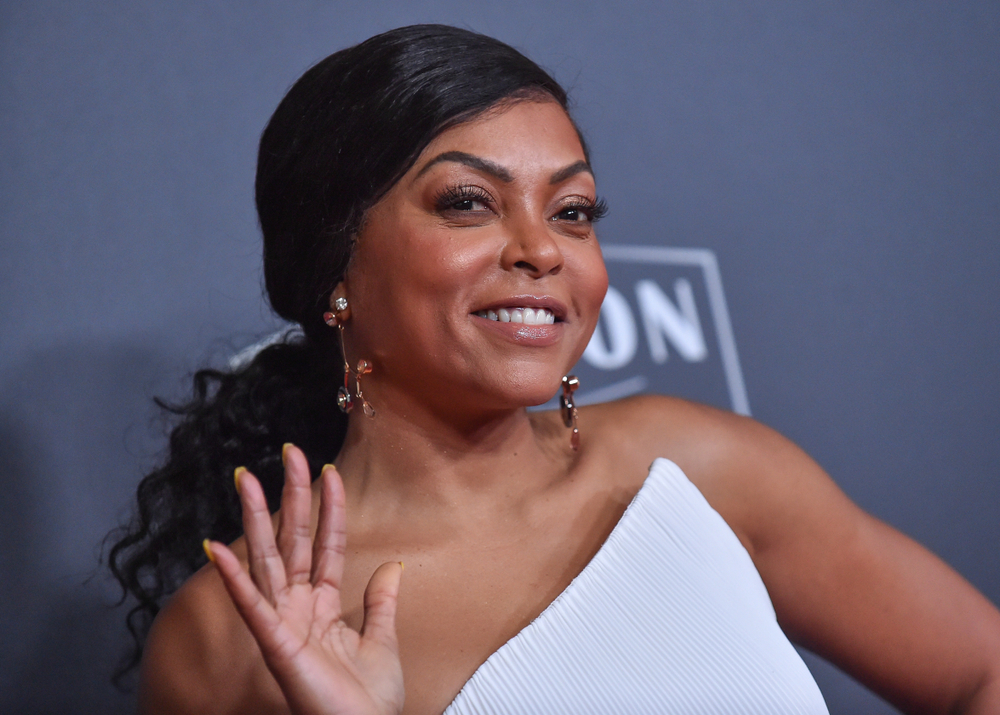
When Taraji P. Henson appeared alongside Tyrese Gibson in director John Singleton’s Baby Boy in 2001, the industry took notice. She was a female lead in a high-profile film from one of Hollywood’s most respected voices, and the people around her at the time were convinced a major career explosion was inevitable. The buzz was real, and the expectations were high.
But Henson, even then, was not entirely swept up in it. Something told her that the path ahead would look different from what everyone around her was predicting. And as the years unfolded, that instinct proved accurate in ways she has only recently begun to speak about openly.
What happened after Baby Boy
Gibson’s trajectory after Baby Boy was swift and significant. He landed roles in the Transformers franchise and joined the Fast and Furious universe, two of the most commercially dominant film series in Hollywood history. His career took the route that many had assumed Henson’s would follow.
Hers did not. Nearly three decades into a career that includes acclaimed television work, a Broadway stage, and voiceover roles in animated films including Ralph Breaks the Internet and Paw Patrol: The Mighty Movie, Henson has yet to headline a major franchise. She also appeared in the 2010 reboot of The Karate Kid, though that film did not launch a continuing series.
Hollywood politics and the peace she has found
In a recent conversation on a podcast hosted by Hoda Kotb, Henson addressed the franchise gap directly and without apparent resentment. She described the experience of watching a co-star secure the kinds of blockbuster opportunities that never came her way, while she spent years navigating an industry that, by her own account, struggled to place her in a clear category.
She framed what followed not as bitterness but as clarity. The longer she remained in the industry, the better she understood the machinery behind casting decisions. Politics, she said, plays a meaningful role in who gets what, and once she recognized that, the absence of franchise offers stopped feeling like a personal failure and started feeling like a reflection of something larger.
She has spoken in other settings about the narrow roles she was pushed toward following Baby Boy, describing how the film’s success nearly locked her into a particular type that the industry kept trying to assign her. The resistance to being defined by a single image has been a consistent thread throughout her public comments about her career.
Still very much in the game
Henson is currently starring in the Broadway production Joe Turner’s Come and Gone alongside Cedric the Entertainer, a role that speaks to the range she has always insisted on bringing to her work. After nearly 30 years, she remains a prominent and active presence in the industry, on her own terms.
The franchise may never have come. But Henson’s assessment of why, and her refusal to be diminished by it, suggests she has long since moved past waiting for Hollywood to figure out what to do with her.
