


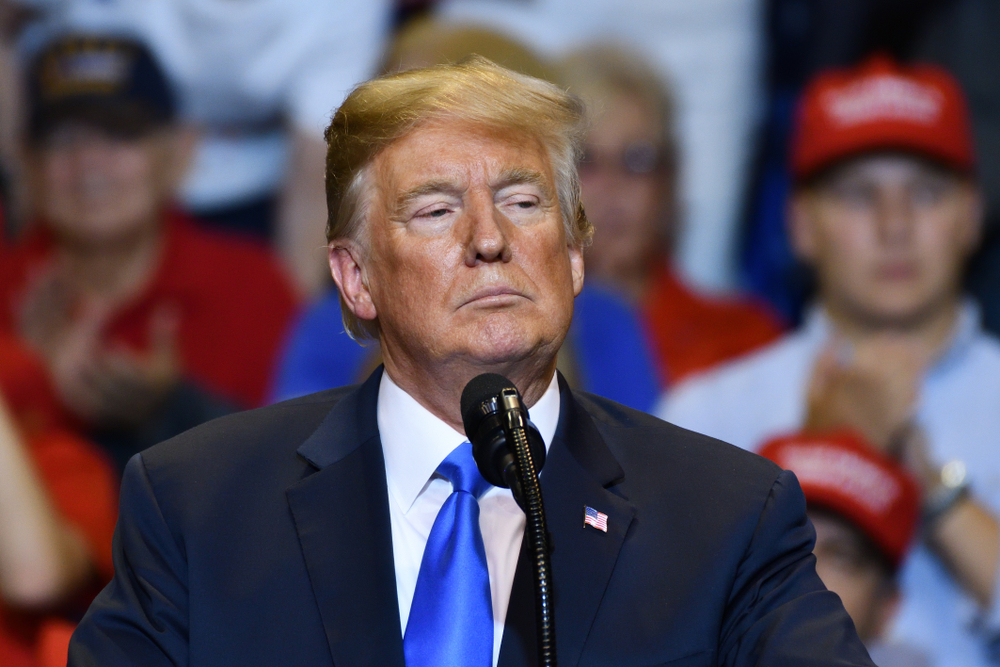
Just one week ago, President Donald Trump was celebrating cheap gas. The national average had fallen to $2.92 per gallon, the lowest stretch since 2020, and the mood at a Texas energy rally held hours before the first airstrikes on Iran was triumphant. That celebration has aged poorly.
Gas has since blown past $3.40 a gallon, the highest national average since September 2024. West Texas Intermediate crude surged more than 35% in a single week to close above $90 a barrel, its biggest weekly gain in the history of the futures contract. When asked about it, the president said he was not worried. His position was straightforward. If prices rise, they rise. The Iran operation, in his view, is far more important than a modest increase at the pump.
Behind closed doors, the tone is reportedly less relaxed. Senior White House officials have warned internally that failing to address rising prices could prove damaging heading into the November midterms. The energy secretary and top White House staff have been in contact with oil executives to explore options, though no concrete plan has been announced publicly.
The president also said he has no intention of tapping the Strategic Petroleum Reserve, the emergency stockpile he had previously criticized his predecessor for drawing down. He expressed confidence that the Strait of Hormuz would remain open, even as the waterway has already ground to a near standstill.
What the Hormuz crisis actually means
The Strait of Hormuz sits at the center of the global oil supply chain. About a fifth of the world’s seaborne crude passes through it every day. Iraq has cut 1.5 million barrels per day of production. Kuwait has begun trimming output after exhausting available storage. Qatar’s energy minister has warned that crude could reach $150 per barrel if tankers cannot get through. Financial analysts project that production cuts could approach 6 million barrels per day by the end of next week if conditions do not change.
That trajectory suggests this may be considerably more than a modest price increase.
Trump and the ripple effect on everyday costs
Most people think about oil in terms of the gas pump. The reality is much broader. Oil powers the trucks that deliver groceries, the ships carrying electronics, the tractors plowing farmland and the factories producing the plastics and materials inside nearly every consumer product. When fuel costs rise, those increases ripple outward into prices across the entire economy.
Research published by the Federal Reserve Bank of Dallas modeled a scenario nearly identical to the current one and found that a Strait of Hormuz closure pushing crude to $100 per barrel could add roughly 1.3 percentage points to headline inflation at its peak. Financial analysis from major Wall Street institutions has estimated that a sustained rise in oil prices could push year-over-year headline inflation back toward 3% within months.
United States inflation had cooled to 2.4% in January, its lowest reading in nearly a year, and the Federal Reserve was finally within reach of its 2% target. A reversal of that progress would mark a significant setback, putting pressure on already strained household budgets and likely delaying the interest rate cuts many Americans have been counting on.
Food prices deserve particular attention. Agriculture depends heavily on diesel, petroleum-derived fertilizers and long-haul freight, all of which track the price of crude closely. Grocery costs tend to lag oil by two to three months, meaning what is happening at the pump today is likely to show up at the checkout counter by summer.
What this means for your money
Two Federal Reserve presidents flagged this week that the conflict could affect the near-term inflation outlook, with both noting that the duration of the disruption will determine how severe the impact becomes. Traders have moved to near-consensus that the Fed will hold interest rates steady at its March meeting, and expectations for a cut through June have weakened considerably.
For households, that means mortgage rates, auto loans and credit card rates are likely to stay elevated longer than anticipated. The rate relief many Americans were counting on this year has become a much less certain prospect.
Oil-driven market selloffs have historically been sharp but short-lived. Investors who sold during previous energy shocks often missed the subsequent recovery. For those holding cash, high-yield savings accounts are still paying above 4% annually, offering at least partial protection against rising prices. Inflation-adjusted bonds are another option designed specifically for environments like this one.
The conflict may yet prove brief. But even a short disruption has already erased a year’s worth of progress on gas prices and put the Fed’s timeline in question. The president may not be losing sleep over the pump price. For millions of Americans already stretched thin, the math is a little harder to dismiss.
