


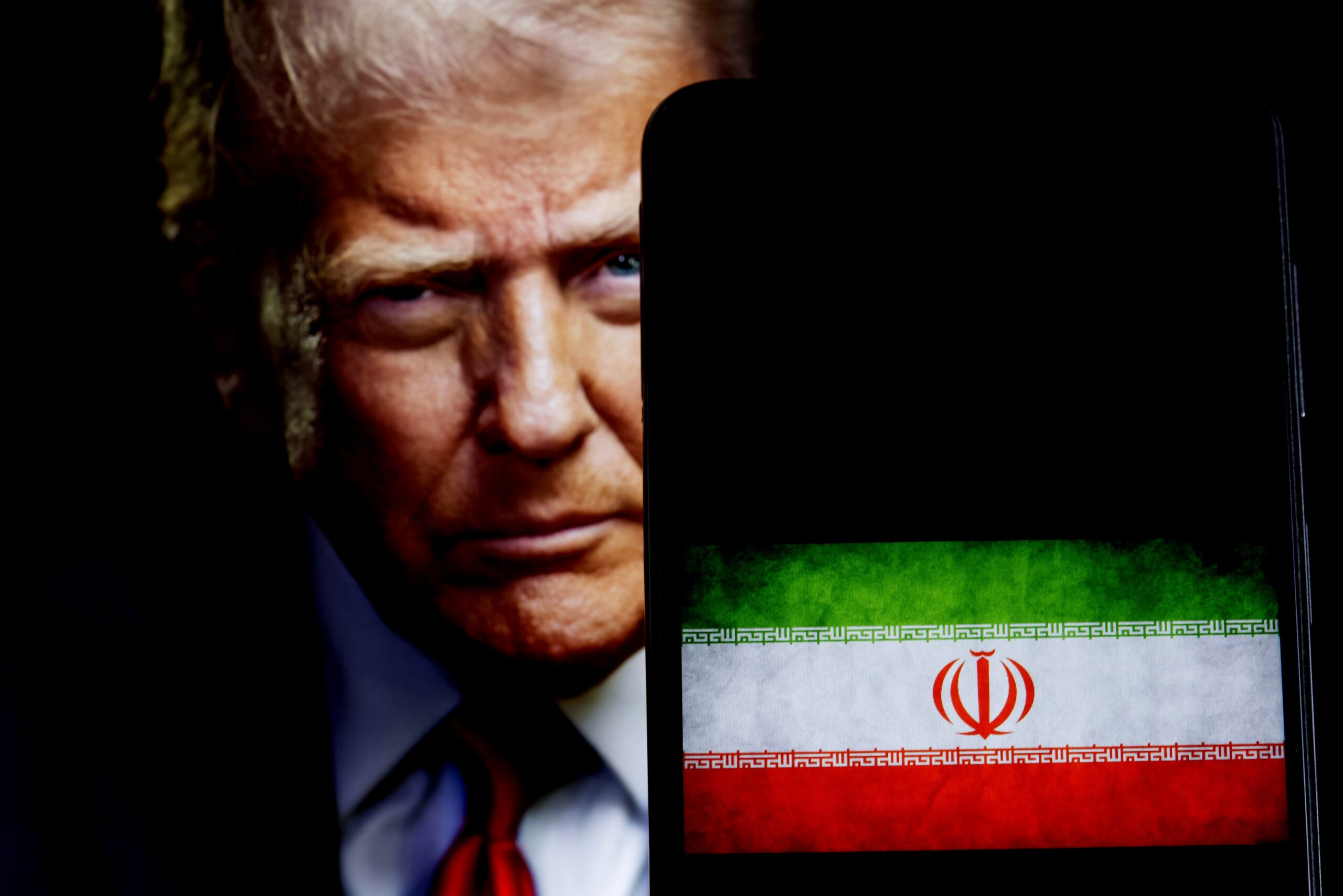
President Donald Trump made clear Wednesday that the United States will only entertain the possibility of a ceasefire with Iran once the Strait of Hormuz is fully reopened, sharpening his position on how the now two-month-old conflict might come to an end.
In a post on social media, Trump claimed that Iran’s new leadership had reached out to request a ceasefire, though the specifics of that outreach were not made clear and there has been no public confirmation from Tehran that any such offer was formally extended. Regardless of how the message arrived, Trump’s response set an unmistakable condition. The strait must be open, free, and unobstructed before the United States will consider standing down.
The post marked the latest in a series of shifting and sometimes contradictory signals from the White House about where this conflict is headed and how it ends.
A war that keeps defying easy endings
Just a day earlier, Trump had told reporters he expected the war to conclude within two to three weeks, expressing confidence that the military objectives had largely been achieved and suggesting that other nations should take the lead in reopening the waterway. That optimism briefly lifted energy markets that have been rattled since the conflict began disrupting global oil supplies.
Wednesday’s post introduced a harder edge. Rather than framing the endgame as something approaching on its own, Trump now appeared to be drawing a clear line. The Strait of Hormuz, which carries roughly 20 percent of the world’s seaborne oil shipments, is no longer just a consequence of the war to be sorted out afterward. It is, according to the president, a prerequisite for any pause in fighting.
The back and forth between diplomatic overtures and escalatory rhetoric has become a defining feature of how Trump has managed public communication around this conflict. Markets have responded to each shift accordingly, lurching between cautious optimism and renewed anxiety depending on which version of Trump is speaking on any given day.
Iran’s conditions are far from simple
While Trump frames the path to peace as hinging on a single condition, Iran’s own position is considerably more layered. Iranian President Masoud Pezeshkian signaled earlier this week that his government has the will to end the war, but made clear that doing so depends on a set of specific requirements being met first.
Those requirements, first outlined by Tehran last month, include a complete halt to all attacks on Iranian territory, a cessation of hostilities involving Iran-backed proxy groups across the broader Middle East, a formal pledge against future military action, the payment of reparations, and international recognition of Iran’s sovereignty over the Strait of Hormuz itself.
That last demand is particularly significant. Asking the world to formally recognize Iranian authority over the very waterway that the United States and its partners are trying to reopen is the kind of condition that makes a negotiated settlement genuinely difficult to picture. Several of the five demands are widely seen as non-starters for both Washington and Israel, suggesting that whatever diplomatic conversations may be happening behind the scenes, a clean resolution remains a long way off.
What this means for markets and the world
The strait’s continued disruption has had real and widespread consequences. Oil prices have surged dramatically since the conflict began, with American drivers paying some of the highest prices at the pump in years and freight costs rippling through consumer goods across the economy.
A ceasefire that leaves the strait in question would offer little relief. A reopening without a ceasefire would be its own kind of impossible. The two conditions are intertwined in ways that make the path forward genuinely complicated, and Trump’s Wednesday post, whatever its intended audience, did little to simplify the picture.
For now, the war continues, the strait remains constrained, and the world watches two sides talk past each other with enormous economic and human stakes hanging in the balance.
