


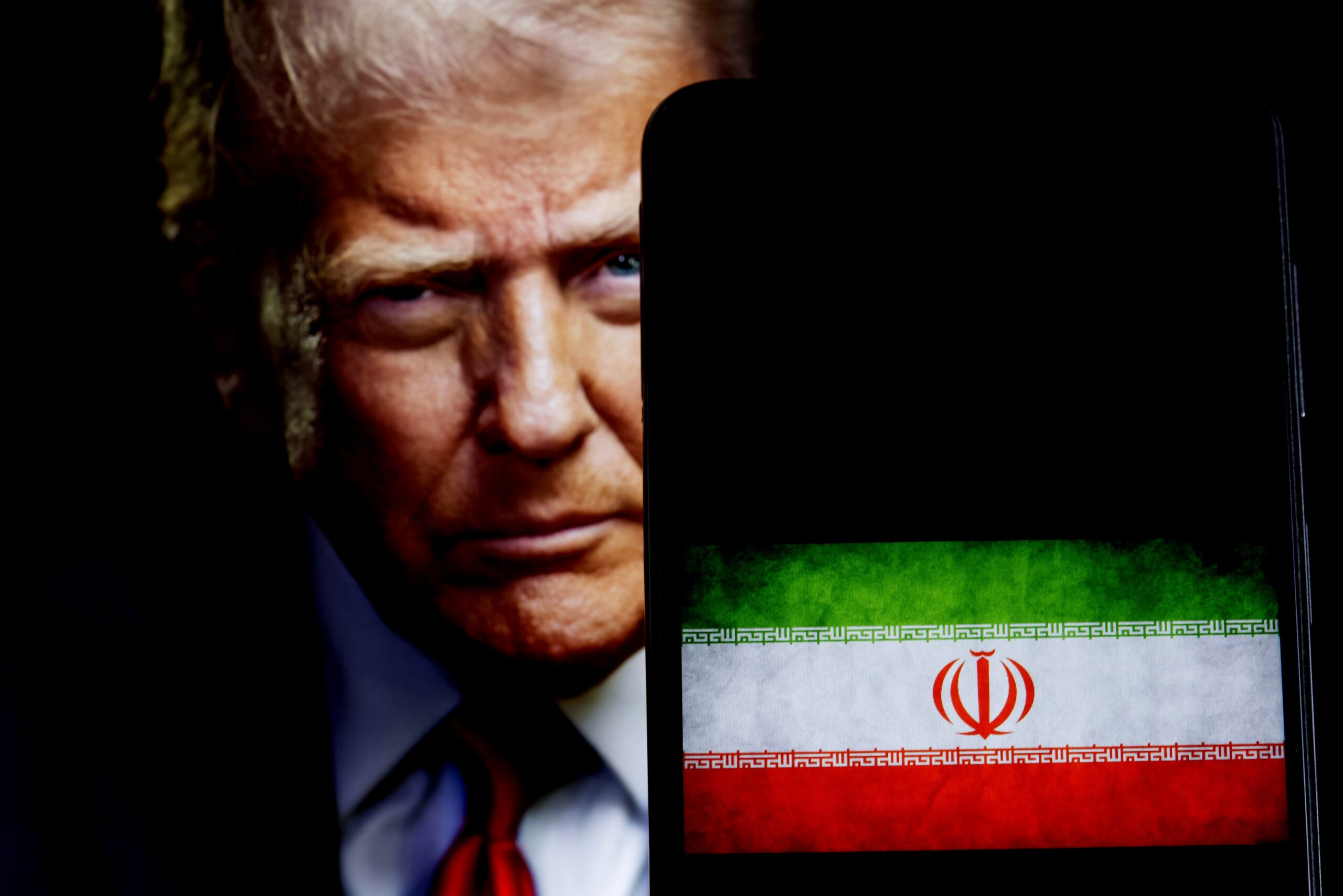
The war that was supposed to end weeks ago is still very much underway. American forces carried out airstrikes on an Iranian military facility on Wednesday, hours after President Donald Trump declared that no single nation would control the Strait of Hormuz and that the United States would serve as its guarantor of open passage.
The strikes were described as defensive in nature. US Central Command forces intercepted four Iranian attack drones that had been fired at a commercial vessel and subsequently struck a drone launching unit near Bandar Abbas, a port city close to the strait. American officials said the existing ceasefire, put in place in early April, remains the intended framework going forward despite the exchange.
Trump’s position on the strait
The president’s remarks earlier in the day set the tone for an already complicated diplomatic environment. Asked whether he would accept a short-term agreement that reopened the strait under Iranian oversight, Trump was unequivocal. The waterway, he argued, belongs to the international community and the United States intends to keep it that way. He offered no specific detail about how American forces would enforce that commitment, but the intent was clear.
Iran has effectively shut down commercial traffic through the strait since the conflict began on February 28, when US and Israeli forces launched coordinated strikes against Iranian targets. The closure has sent crude oil and gasoline prices sharply higher, creating economic ripple effects that have reached consumers across multiple continents and added significant political pressure on Republicans heading into November midterm elections.
A draft deal and a swift denial
Wednesday brought a moment of confusion that illustrated just how fragile the negotiating environment remains. Iranian state media published what it described as a draft interim peace agreement, outlining terms that included a return to normal maritime traffic through the strait within roughly a month of the deal taking effect. The report also referenced a mechanism involving Iran and Oman jointly overseeing shipping passage, the lifting of the US naval blockade on Iranian ports and a withdrawal of American naval presence from surrounding waters.
The White House rejected the report immediately and completely, calling the document a fabrication and urging the public not to treat Iranian state media accounts as credible. Trump separately dismissed any suggestion that sanctions relief was part of current discussions, saying no financial concessions were on the table.
The Oman question
The role of Oman in any potential agreement has emerged as one of the more contentious unresolved issues. Iran has stated that it and Oman are in active discussions about a joint mechanism for managing strait passage. Oman has not commented publicly on those claims in recent weeks, leaving the nature of its involvement ambiguous.
Trump addressed Oman directly and forcefully on Wednesday, making clear that he expects the country to align with international norms on shipping access rather than with Iran’s preferred framework. His comments carried an unmistakable edge, signaling that the administration views any deviation from free passage as unacceptable regardless of who is involved in overseeing it.
Negotiations grinding forward
Despite the military activity and the public contradictions, both sides have indicated through mediators that talks are progressing. Pakistan and Qatar have been involved in facilitating the discussions, and a recent round of talks in Doha was described by those with knowledge of the process as productive, with conversations focused on the strait, Iran’s uranium enrichment program and the status of frozen Iranian financial assets.
Iranian officials have maintained that nothing is agreed until everything is agreed, a position that reflects the complexity of reaching a comprehensive settlement across multiple deeply contested issues. The ceasefire in Lebanon, where Israel has escalated operations against Hezbollah in recent days, also factors into Tehran’s demands, as Iran has insisted that any agreement must address all active fronts simultaneously.
Trump, for his part, said Wednesday that he is not being rushed. He dismissed the idea that the midterm elections were shaping his approach and suggested Iran had miscalculated in assuming political pressure at home would force his hand at the negotiating table.
The strait remains closed. The talks continue. And the airstrikes keep coming.
