


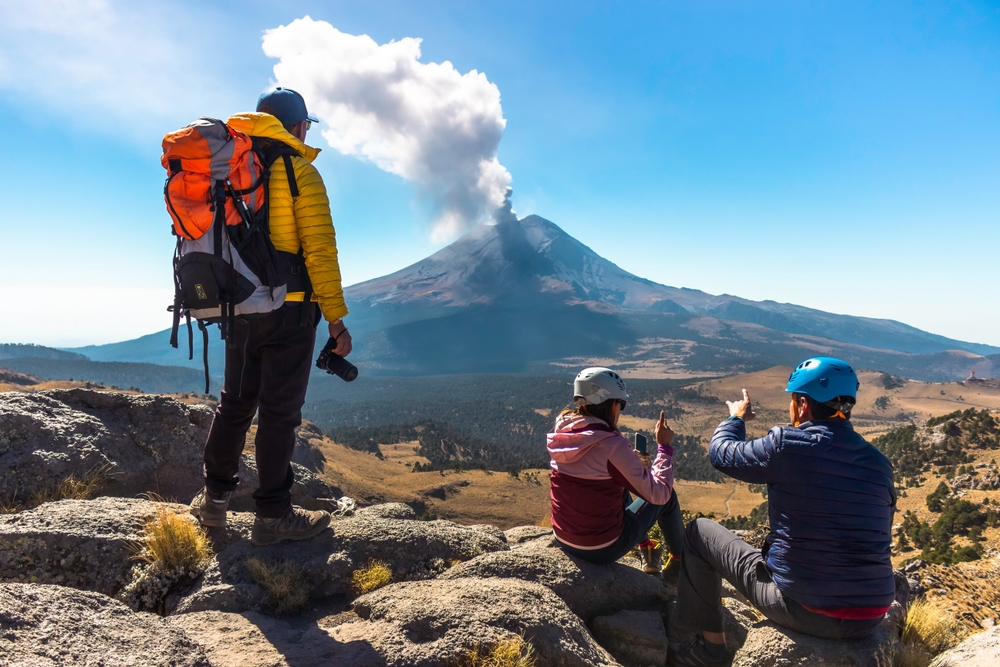
Witnessing molten rock burst from Earth’s crust ranks among the most electrifying experiences available to modern adventurers. What once required dangerous scientific expeditions has transformed into managed tourism, allowing everyday travelers to stand near active craters, walk across hardened lava fields and bathe in geothermally heated waters. These volcanic destinations offer front-row seats to geological processes that have shaped our planet for billions of years.
Hawaii’s Kilauea Brings Visitors Face-to-Face With Creation
Hawaii Volcanoes National Park delivers unmatched access to one of the planet’s most consistently active volcanic systems. Kilauea has been reshaping the Big Island’s landscape through persistent eruptions, with lava flows occasionally visible from maintained observation areas. The park’s infrastructure includes strategically positioned viewing platforms where visitors safely observe steam vents releasing sulfurous gases, vast craters carved by collapsed magma chambers and landscapes still warm from recent volcanic activity.
After sunset, the experience intensifies dramatically. Glowing lava illuminates the darkness, casting an otherworldly crimson glow across barren rock formations. Park rangers lead educational sessions explaining the mechanics of volcanic eruptions while sharing Hawaiian traditions surrounding Pele, the revered volcano goddess believed to dwell within Kilauea’s depths. The combination of scientific understanding and cultural significance creates a multilayered appreciation for these powerful forces.
Mount Etna Demonstrates How Europeans Live Alongside Active Volcanoes
Sicily’s towering volcano maintains near-constant activity, producing frequent small eruptions that draw thousands of monthly visitors rather than frighten them away. Cable cars transport tourists partway up the mountainside, where specialized off-road vehicles and experienced guides take over for the final approach to active craters. The landscape resembles a lunar surface, with vast expanses of blackened lava flows stretching in every direction.
The contrast proves startling. Lower elevations support thriving vineyards producing distinctive wines from mineral-rich volcanic soil. Farmers have learned to accept eruption risks in exchange for extraordinarily fertile ground that yields exceptional harvests. This agricultural success story demonstrates humanity’s ability to harness volcanic benefits while respecting inherent dangers.
Iceland Transforms Volcanic Forces Into Practical Resources
Positioned directly atop the Mid-Atlantic Ridge where continental plates pull apart, Iceland experiences exceptional volcanic activity that has shaped every aspect of the nation’s identity and the lives of its people. Visitors can snorkel through Silfra, a crystal-clear fissure filled with glacial meltwater running between the North American and Eurasian tectonic plates. The underwater visibility extends over 100 meters, revealing geological boundaries usually hidden beneath oceans.
Beyond underwater exploration, Iceland’s volcanic heat creates natural hot springs where travelers soak in mineral-rich waters while surrounded by dramatic landscapes. Massive lava tubes formed by ancient eruptions now serve as walking trails through underground passages large enough to accommodate groups. The country has developed sophisticated geothermal systems that harness underground heat for electricity generation, home heating and greenhouse agriculture, proving how volcanic forces can power modern civilization.
Indonesia’s Mount Bromo Creates Surreal Sunrise Spectacles
Situated within an enormous ancient caldera, Mount Bromo rises from a volcanic sand plain that resembles another planet. Adventure travelers and photographers make predawn journeys to designated viewpoints where sunrise transforms the smoking crater into a golden silhouette floating above morning clouds, a scene that feels worlds away from urban skylines like Chicago. The visual drama intensifies as light reveals the massive caldera walls encircling Bromo and neighboring volcanic peaks.
Rugged jeeps ferry visitors across the ash-covered plain to staircases climbing Bromo’s outer cone. Those who ascend peer directly into the active crater, where sulfurous gases billow continuously from the depths. The acrid smell and rumbling sounds provide visceral reminders of the immense energy contained beneath the surface.
Costa Rica’s Arenal Balances Volcanic Power With Relaxation
Arenal’s geometrically perfect cone dominates the landscape despite entering a resting phase after decades of regular explosive activity. The surrounding region has developed into Central America’s premier adventure tourism hub, offering volcanic hot springs where visitors soak in naturally heated pools while gazing at the mountain’s silhouette. Rainforest now covers older lava flows, creating ecosystems where zip lines carry thrill-seekers through emerald canopies.
Underground heat continues warming dozens of hot springs resorts, sustaining a robust tourism economy built around volcanic resources. Hiking trails wind through diverse habitats thriving on nutrient-rich volcanic soil, demonstrating how eruptions ultimately create conditions for abundant life.
Safety Considerations Define Responsible Volcano Tourism
The 2019 eruption at New Zealand’s White Island killed 22 visitors during tour operations, prompting worldwide safety reviews. This tragedy underscored volcanoes’ inherent unpredictability despite modern monitoring technology. Responsible tour operators now maintain close relationships with volcanologists, strictly observe exclusion zones and prioritize visitor safety over dramatic photo opportunities near the island’s surrounding bay.
Travelers should thoroughly research operators before booking, verifying their safety protocols and monitoring systems. Following guide instructions without exception proves essential. Italy’s Stromboli offers insights into proper management—this small island volcano has erupted continuously for thousands of years with explosions every 15 to 20 minutes. Guided night hikes lead visitors to safe viewpoints where they witness incandescent lava arcing into darkness while maintaining appropriate distances from the crater.
Volcano tourism delivers more than spectacular visuals. These experiences teach fundamental concepts about plate tectonics and the ongoing processes reshaping Earth’s surface. For travelers seeking authentic encounters with our planet’s raw power, volcanic destinations offer perspective-shifting experiences that reveal the dynamic nature of the ground beneath our feet.
