


The early years of a child’s life are not a waiting room for real education. They are the foundation of it. Long before a child walks into a formal classroom, their brain is already doing some of the most remarkable developmental work it will ever do — and what happens during that window matters more than most parents realize.
Research consistently shows that the period between birth and age eight is the most critical stage of cognitive, emotional, and social development. The experiences children have during these years — the conversations, the play, the exploration, the encouragement — wire the brain in ways that influence learning, behavior, and wellbeing for decades to come.
Why Early Education Goes Far Beyond the Classroom
Early education is not simply about teaching children to read or count earlier than their peers. It is about building the mental architecture that makes all future learning possible. Children who receive rich, stimulating early experiences develop stronger language skills, longer attention spans, and a far greater capacity for problem-solving than those who do not.
The home environment plays just as significant a role as any school or program. Parents who read aloud regularly, ask open-ended questions, and create space for curiosity are actively building their child’s educational foundation — often without realizing it.
Key habits that powerfully support early development include
- Reading together daily, even before children can understand every word
- Encouraging questions and never dismissing curiosity as inconvenient
- Allowing unstructured play, which builds creativity and independent thinking
- Limiting passive screen time in favor of hands-on exploration
- Using everyday moments — cooking, shopping, walking — as natural learning opportunities
The Role of Play in Genuine Learning
One of the most misunderstood aspects of early education is the role of play. Many parents assume that structured academic work is inherently more valuable than play. The research says otherwise.
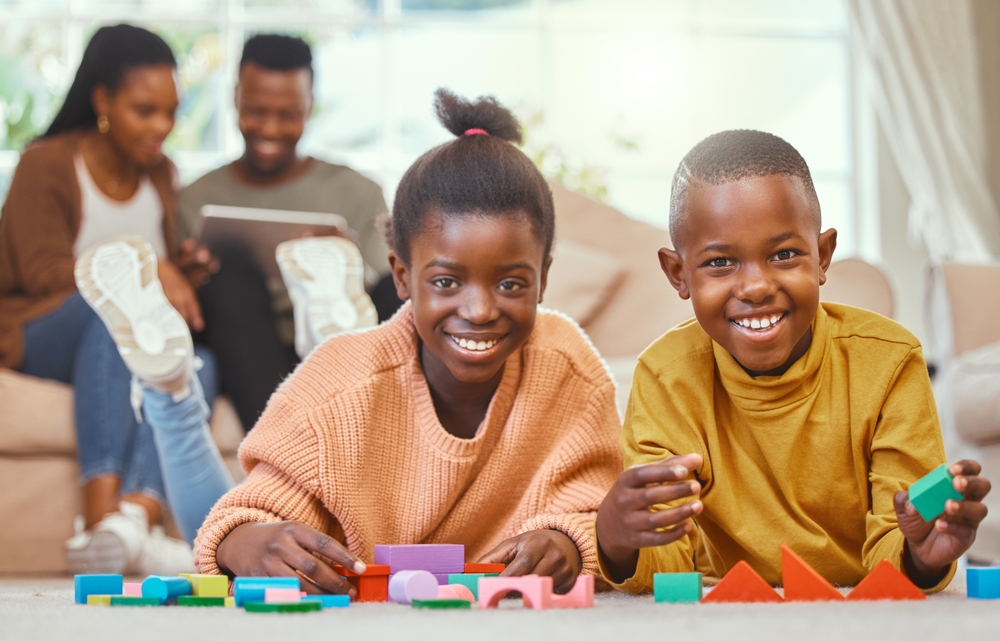
Play is how young children process the world around them. Building blocks teach spatial reasoning. Pretend play builds empathy and language. Physical play develops coordination and confidence. When children play freely and imaginatively, they are not taking a break from learning — they are doing some of the deepest learning available to them at that age.
Parents who protect their child’s time to play are investing in their education just as powerfully as those who enroll them in enrichment programs.
What to Look for in an Early Education Program
Not all early education programs are created equal. When evaluating options, the quality of the environment and the warmth of the educators matter far more than brand recognition or price point.
The strongest early learning environments share a few common traits
- Low child-to-teacher ratios that allow for individual attention
- A curriculum that balances structure with free exploration
- Educators who are trained in child development, not just subject matter
- A physically safe and emotionally encouraging atmosphere
- Regular, transparent communication with families
Trust your instincts as a parent. A program that makes your child feel safe, seen, and genuinely excited to attend is doing something right — regardless of what any ranking or review says.
The Most Powerful Thing a Parent Can Do
No program, no curriculum, and no technology replaces the consistent presence of an engaged parent. Children learn language faster from live conversation than from any screen. They develop confidence faster from encouragement than from any achievement chart. They grow bolder when they know someone believes in them unconditionally.
Early education is a partnership between home and school — and the home side of that partnership carries more weight than most parents are ever told. Showing up, staying curious alongside your child, and making learning feel like an adventure rather than an obligation are the most powerful educational gifts any parent can give.
The window is open. What happens inside it matters more than anything that comes after.
