


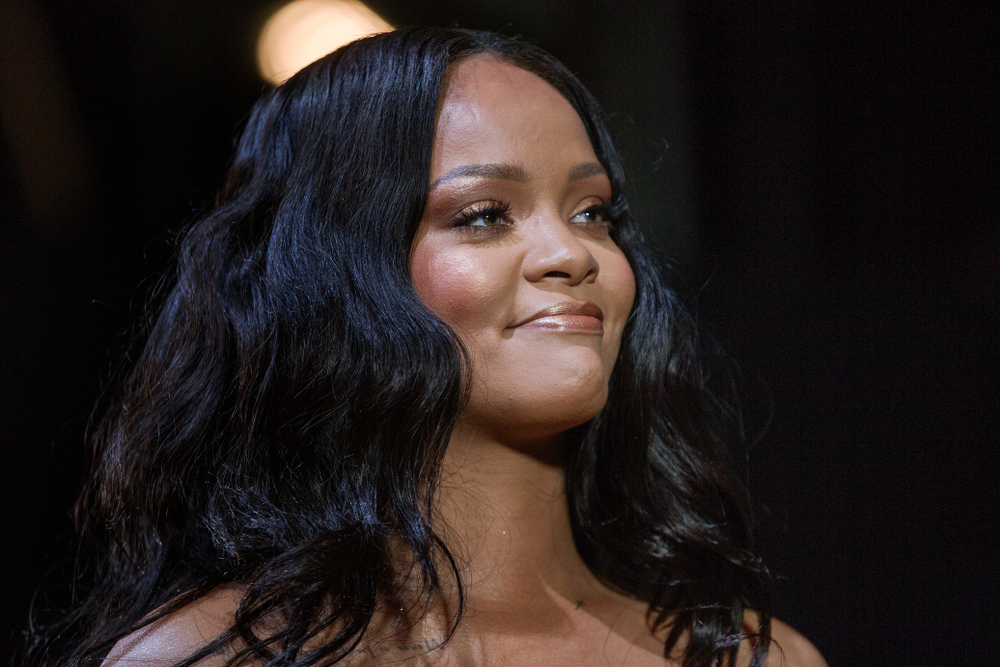
Rihanna was inside her Beverly Hills home with her three children on the night of March 9, 2026, when gunshots rang out. The woman allegedly behind the trigger, Ivanna Lisette Ortiz, had a documented history of mental health crises long before she ever drove to that street. Understanding this case means looking past the shock of the headline and into the years of warning signs that preceded it — and what those warnings say about the systems meant to stop moments like this from happening.
This was not a random act of violence. It was the result of a slow, visible unraveling that touched the courts, social media, and psychiatric care — and still was not enough to prevent a woman from showing up at a global superstar’s front door with a firearm.
Who Ortiz Is and Why Rihanna
Ortiz is not a stranger to the legal system or psychiatric care. Before the shooting, she had already left a significant paper trail — one that painted a clear picture of someone in a deepening crisis.
Key facts about Ortiz
- She was involuntarily committed under Florida’s Baker Act, a law allowing authorities to hold someone in a psychiatric facility for up to 72 hours if they pose a danger to themselves or others
- In April 2024, a Florida judge granted full physical custody of her 10-year-old child to her ex-husband, Jed Nikko Valdez Sangalang
- She was barred from all contact with her child — no visits, no calls, no texts, no emails, no third-party communication of any kind
- During sworn testimony, she admitted to the Baker Act commitment but claimed the circumstances were fabricated
- The judge flagged her testimony as concerning enough to launch a full social investigation, which directly influenced the final custody ruling
There is no known real-world connection between Ortiz and Rihanna. No shared history, no professional overlap, no prior interaction of any kind. The obsession existed entirely within Ortiz’s own constructed reality.
The Social Media Trail Before the Rihanna Attack
Weeks before the shooting, Ortiz had been posting erratic videos online. She accused Rihanna of stealing from her and used supernatural language to describe the singer — calling her a witch and making delusional claims rooted in paranoia and distorted thinking.
This kind of behavior — public, escalating, and specifically targeted — is a recognized warning pattern among mental health professionals. It aligns closely with erotomania or delusional fixation, where a person builds an elaborate false narrative involving a public figure they have never actually met. The fixation feels entirely real to the person experiencing it, which is precisely what makes it dangerous.
The videos were visible. The obsession was documented. Ortiz had a history in the psychiatric system. And still, on March 9, she allegedly drove to Rihanna’s neighborhood, parked outside the home, and opened fire.
What the Rihanna Shooting Reveals About Celebrity Safety
Even with professional security in place, this incident exposed a hard and uncomfortable truth — proximity to fame does not equal immunity from danger. The shooting forces a broader reckoning with three critical gaps that extend well beyond Rihanna’s front door
- How social media platforms handle users who post threatening or delusional content targeting celebrities and public figures
- Whether mental health intervention systems act decisively enough when warning signs are this well-documented and this visible
- What legal protections genuinely exist for public figures who face targeted obsession before it turns physical
Rihanna was home with her children when the shots rang out. The fear and confusion that followed were real, regardless of the security detail or the size of the estate. No amount of preparation fully accounts for someone who has decided, in their own fractured reality, that a celebrity is their enemy.
Understanding the Mental Health Crisis Behind the Rihanna Case
This is not simply a Rihanna story. It is a case study in systemic gaps that exist long before violence occurs. Ortiz had been Baker Acted. She had lost custody of her child over documented mental health concerns. She had been posting unraveling, targeted content on social media for weeks leading up to the shooting.
Every checkpoint existed. Every red flag was raised and recorded. And the system still did not connect the dots before the shots were fired outside a Beverly Hills home.
Ortiz now faces attempted murder charges and remains in custody. But the Rihanna shooting should push lawmakers, mental health advocates, and social media platforms alike to ask a harder and more urgent question — when is documentation enough to warrant real intervention, and who is ultimately responsible for making that call before someone gets hurt?
The answer to that question matters far beyond this case.
