


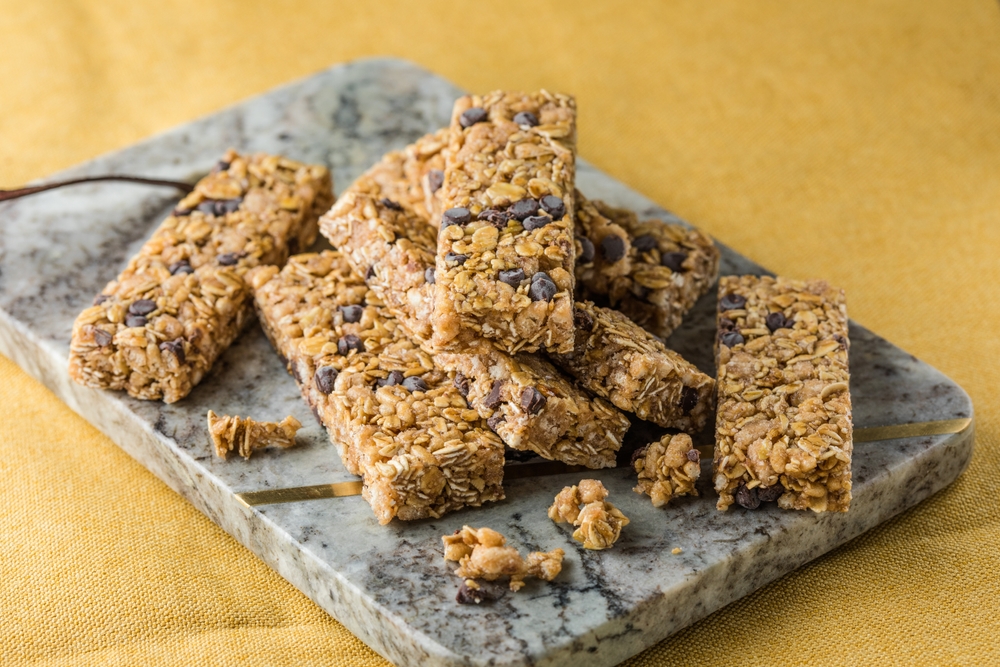
Granola bars line convenience store shelves and gym bags everywhere, marketed as healthy fuel for busy lives. Yet beneath their wholesome appearance lies a potential metabolic minefield. Many popular brands contain ingredients that can send blood sugar soaring as quickly as candy, leaving consumers confused about what makes a truly nutritious choice.
The difference between a blood sugar-friendly granola bar and one that triggers a glucose roller coaster comes down to understanding carbohydrate quality, fiber content and the sneaky ways added sugars hide on ingredient labels.
The Carbohydrate Connection
Carbohydrates break down into glucose once consumed, entering the bloodstream to fuel cellular activity. The pancreas responds by releasing insulin, which shuttles glucose into cells for immediate energy or storage. How rapidly this process unfolds depends entirely on carbohydrate type.
Simple carbohydrates feature short sugar molecule chains that digest rapidly, creating swift blood sugar elevation. Complex carbohydrates contain longer molecular structures that require more time to break down, producing gentler glucose increases. Registered dietitian Sarah Steele explains that this structural difference determines whether a snack sustains energy or causes crashes.
Most commercial granola bars lean heavily on simple carbohydrates through added sugars and refined flours, mimicking the metabolic impact of desserts rather than balanced nutrition.
Why Some Granola Products Cause Dramatic Spikes
The composition of many mainstream granola bars creates ideal conditions for blood sugar volatility. Added sugars and refined flour dominate ingredient lists, while fiber and protein remain minimal. This combination allows glucose to flood the bloodstream rapidly.
Bars constructed from whole grains, nuts and seeds behave differently. Their complex carbohydrate structures digest gradually, preventing sharp glucose elevations. Fiber further slows digestion, while fat and protein moderate the rate at which sugar enters circulation.
Portion size amplifies these effects. Larger bars or those packed with total carbohydrates naturally raise blood glucose more substantially than smaller, balanced options.
Regular consumption of high-sugar varieties creates a problematic pattern. Blood sugar spikes trigger insulin surges, followed by energy crashes that increase hunger and cravings. Over time, this cycle can contribute to prediabetes and type 2 diabetes development.
Smart Selection Strategies for Stable Energy
Choosing granola bars that support metabolic health requires label-reading skills and nutritional awareness. Prioritize products featuring fiber from whole grains or seeds, ideally meeting a minimum threshold of 4 grams per serving. Protein content should reach at least 10 grams, sourced from nut butters, seeds or protein powder. Total carbohydrates should stay below 25 grams per bar.
Added sugar content deserves particular scrutiny. Select options with minimal sweeteners, allowing the natural flavors of whole ingredients to dominate. When granola bars serve as standalone snacks, pair them with complementary foods rich in protein, fiber or healthy fats. Greek yogurt, raw almonds or cheese sticks create balanced mini-meals that prevent glucose spikes.
The ingredient deck reveals whether a bar delivers genuine nutrition or disguised dessert. Whole food ingredients like oats, nuts, seeds and dried fruit should appear first, while sugar sources should occupy lower positions or remain absent entirely.
Decoding Sugar Disguises
Food manufacturers employ numerous sweetener names to obscure added sugar content. Cane sugar represents the most obvious culprit, but corn syrup, brown rice syrup, honey, maple syrup and agave function identically in the body, raising blood glucose rapidly.
Dates present an interesting exception. While technically a sugar source, dates contain fiber that moderates their glycemic impact. Bars sweetened primarily with dates may produce gentler blood sugar responses than those relying on refined syrups.
Non-nutritive sweeteners like stevia and monk fruit extract offer sweetness without affecting blood glucose, making them valuable alternatives for those managing diabetes or pursuing metabolic health.
Individual Response Matters Most
Blood sugar reactions to identical foods vary significantly between individuals. Genetics, activity level, stress, sleep quality and gut microbiome composition all influence how the body processes carbohydrates. People with prediabetes, type 2 diabetes, gestational diabetes or polycystic ovary syndrome show heightened sensitivity to dietary glucose sources.
Rather than following rigid food rules, monitoring personal symptoms provides superior guidance. Tracking energy levels, hunger patterns and mood changes after consuming different granola bar brands reveals which products support individual metabolism best. Consulting with a registered dietitian offers personalized strategies that generic recommendations cannot match.
Granola bars need not sabotage blood sugar when chosen wisely. Understanding ingredient quality, recognizing hidden sugars and selecting products with adequate fiber and protein transforms these convenient snacks into metabolic allies rather than hidden hazards. Armed with knowledge, consumers can navigate the granola market
confidently, supporting both convenience and health.
