


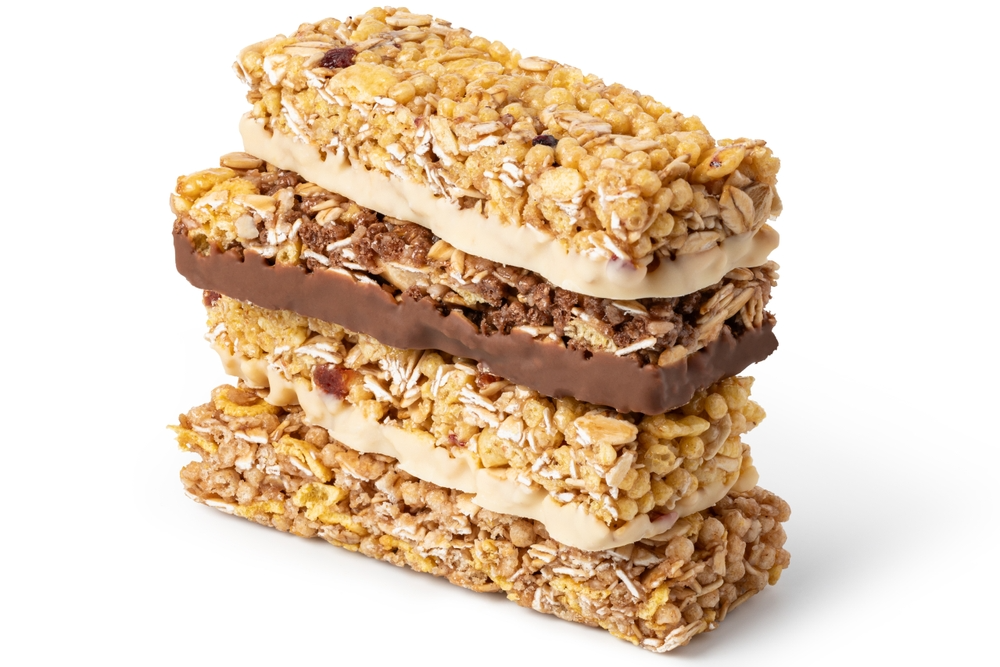
Walk into any grocery store and the shelves groan under the weight of protein bars, each package promising transformation through convenient nutrition. The fitness industry has elevated these processed rectangles into essential tools for healthy living, convincing millions that unwrapping one after a workout brings them closer to their goals. The truth cuts through the marketing haze with brutal clarity: most protein bars deliver little more than candy bars wearing lab coats, charging premium prices for combinations of sugar and protein powder that bear little resemblance to actual food.
Sugar Loads Rival Chocolate Bars
The numbers tell an uncomfortable story. Popular protein bars contain 25 to 30 grams of sugar per serving, placing them in direct competition with traditional confections. A Snickers bar brings 33 grams of sugar to the table, while its protein-branded competitors trail by only a few grams. The gap narrows to irrelevance when examining total carbohydrate counts and actual nutritional impact. Marketing departments have performed remarkable feats of linguistic gymnastics, transforming sugar from vice to virtue when paired with whey isolate. Consumers scan labels hunting for protein content while sugar hides in plain sight, dressed in the vocabulary of wellness.
Calorie Counts Surpass Real Meals
Three hundred calories sounds reasonable until you consider what else that number could buy. A proper meal of grilled chicken, brown rice and roasted vegetables delivers those same 300 calories with exponentially greater nutritional value. The difference extends beyond numbers on a label into the realm of satiety and biological response. Whole foods contain water, fiber and nutrient density that signal satisfaction to the body. Protein bars offer concentrated calories in compact form, engineered for shelf stability rather than human nourishment. The hunger returns within an hour because the body recognizes it has been fed processed ingredients optimized for profit margins instead of sustenance.
Chemical Cocktails Replace Real Ingredients
Reading a protein bar ingredient list requires a chemistry degree. Emulsifiers, thickeners, artificial sweeteners and compounds with names spanning multiple syllables fill the space where food should be. The human body evolved over millennia to process meat, plants, nuts and grains. It has no evolutionary relationship with maltitol, sucralose or chicory root fiber. These substances exist to reduce manufacturing costs and extend shelf life, not to nourish the person eating them. The industry has normalized this disconnect between what we call food and what our bodies recognize as fuel. Just as seasonal health breakthroughs continue exposing wellness myths, the protein bar industry thrives on maintaining comfortable illusions rather than confronting difficult truths.
Marketing Creates Fitness Illusions
The protein bar industry has mastered the art of misdirection. Bold typography screams about 15 grams of protein while fine print whispers about 25 grams of sugar, a balance closer to candy than real food. Packaging features athletes in peak condition, creating visual associations between product consumption and physical excellence. Words like wholesome, natural and nutritious float across boxes containing nothing that grew from the earth or came from an animal in recognizable form. The marketing constructs a narrative where eating processed bars becomes an act of health consciousness rather than what it actually represents choosing convenience over nutrition.
Better Alternatives Cost Less
Hard-boiled eggs, Greek yogurt, nuts and fruit deliver superior nutrition at lower prices without the processing. A dozen eggs costs less than a box of protein bars while providing complete protein, healthy fats and vitamins that cannot be replicated in a factory. The appeal of protein bars rests entirely on convenience, not nutritional superiority or economic value. Preparing real food requires time and planning, luxuries that modern life seems designed to eliminate. The protein bar industry profits from that time scarcity, selling processed convenience at premium prices to people who deserve better.
The protein bar phenomenon reveals how effectively marketing can reshape perception. These products succeed not because they deliver on health promises but because they allow people to feel virtuous while eating candy. The industry has convinced consumers that protein powder mixed with sugar and chemicals constitutes a meaningful step toward fitness goals. Breaking free requires acknowledging that no amount of clever packaging can transform processed food into optimal nutrition, and that real health comes from sources that don’t need marketing campaigns to justify their existence.
