


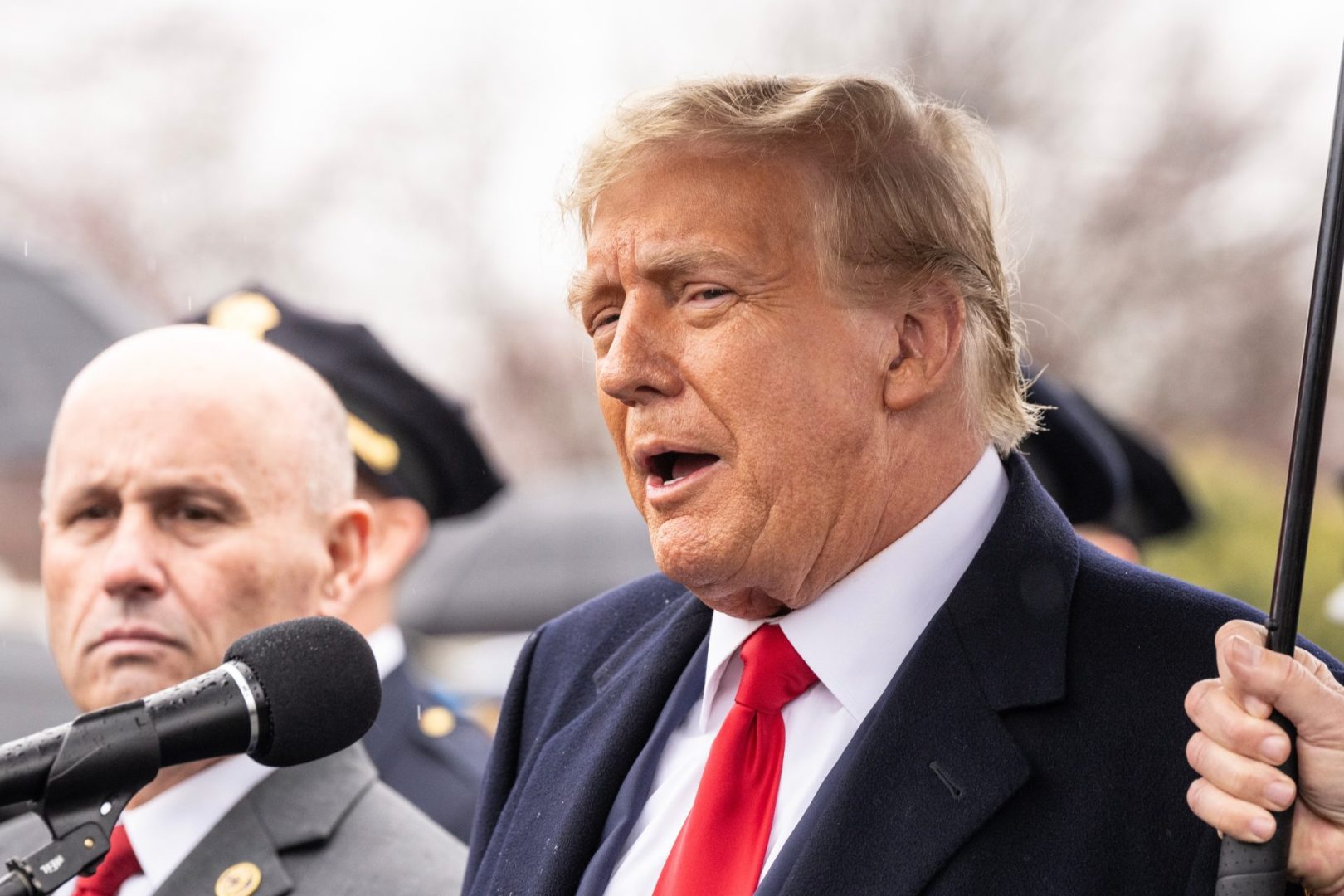
President Donald Trump pardoned five NFL players Thursday, including Joe Klecko, Nate Newton, Jamal Lewis, Travis Henry, and the late Billy Cannon. The news was announced by White House “pardon czar” Alice Marie Johnson, who framed the decisions around themes of redemption and second chances. “As football reminds us, excellence is built on grit, grace, and the courage to rise again. So is our nation,” Johnson wrote on social media. It’s a nice sentiment, but the White House hasn’t explained why these specific players deserved presidential pardons while countless others convicted of similar crimes remain incarcerated.
Joe Klecko is probably the most high-profile name on the list
The legendary New York Jets defensive lineman was inducted into the Pro Football Hall of Fame in 2023 a two-time Associated Press All-Pro and four-time Pro Bowler who defined an era of Jets defense. His conviction was for perjury in 1993 after lying to a federal grand jury investigating insurance fraud. That’s not a violent crime, but it is a serious federal offense. Getting pardoned after spending three decades on the outside seems more like recognition of his football accomplishments than justice for his actual crime.
Nate Newton’s pardon is more complicated
The Dallas Cowboys offensive lineman won three Super Bowls and was a two-time All-Pro with six Pro Bowl selections. But in 2002, he pleaded guilty to federal drug trafficking charges after authorities discovered $10,000 in his pickup truck and 175 pounds of marijuana in an accompanying car. That’s not a small amount. That’s serious trafficking infrastructure. Jerry Jones “personally” told Newton about the pardon, according to Johnson, which tells you something about how these decisions might have been made.
Jamal Lewis represents the younger generation on the list
The former Baltimore Ravens and Cleveland Browns running back was the fifth overall pick in 2000 and won AP Offensive Player of the Year in 2003. But in 2005, he pleaded guilty in a drug case where he used a cellphone to try to set up a drug deal not long after his draft. He was a once-named All-Pro and Pro Bowler whose career never quite lived up to his potential.
Travis Henry also caught a drug-related conviction
The running back pleaded guilty in 2009 to conspiracy to traffic cocaine after financing a drug ring moving cocaine between Colorado and Montana. He played for three teams and made the Pro Bowl once. Like Lewis, Henry’s pardon suggests Trump is being generous with drug-related convictions, though the specifics of each case clearly matter.
Billy Cannon is the historical footnote on this list
The former Houston Oilers, Oakland Raiders, and Kansas City Chiefs player won the 1959 Heisman Trophy at LSU and was a two-time All-Pro and two-time Pro Bowler. But Cannon admitted to counterfeiting in the mid-1980s after a series of bad investments and debts left him broke. He died in 2018, so he never got to experience the vindication of being pardoned.
What’s striking about this group is that Trump isn’t exactly being consistent in his pardon philosophy. Drug trafficking, perjury, counterfeiting these are different categories of crime with different federal sentencing guidelines. The White House’s decision to pardon these five without explaining the rationale raises questions about what criteria actually matter. Are these pardons based on football accomplishments? Financial hardship? Rehabilitation? The fact that they’re all men who played a sport Trump loves?
Trump has shown he’s an avid sports fan through his pardon decisions
He previously pardoned Darryl Strawberry, the former Mets great, of tax evasion and drug charges. The pattern suggests Trump views athletic accomplishment as a mitigating factor in criminal justice decisions, which is… an unconventional approach to federal clemency.
The official explanation “excellence is built on grit, grace, and the courage to rise again”sounds inspirational. But it doesn’t actually explain why these five deserved second chances when millions of others convicted of similar crimes don’t get them.
