


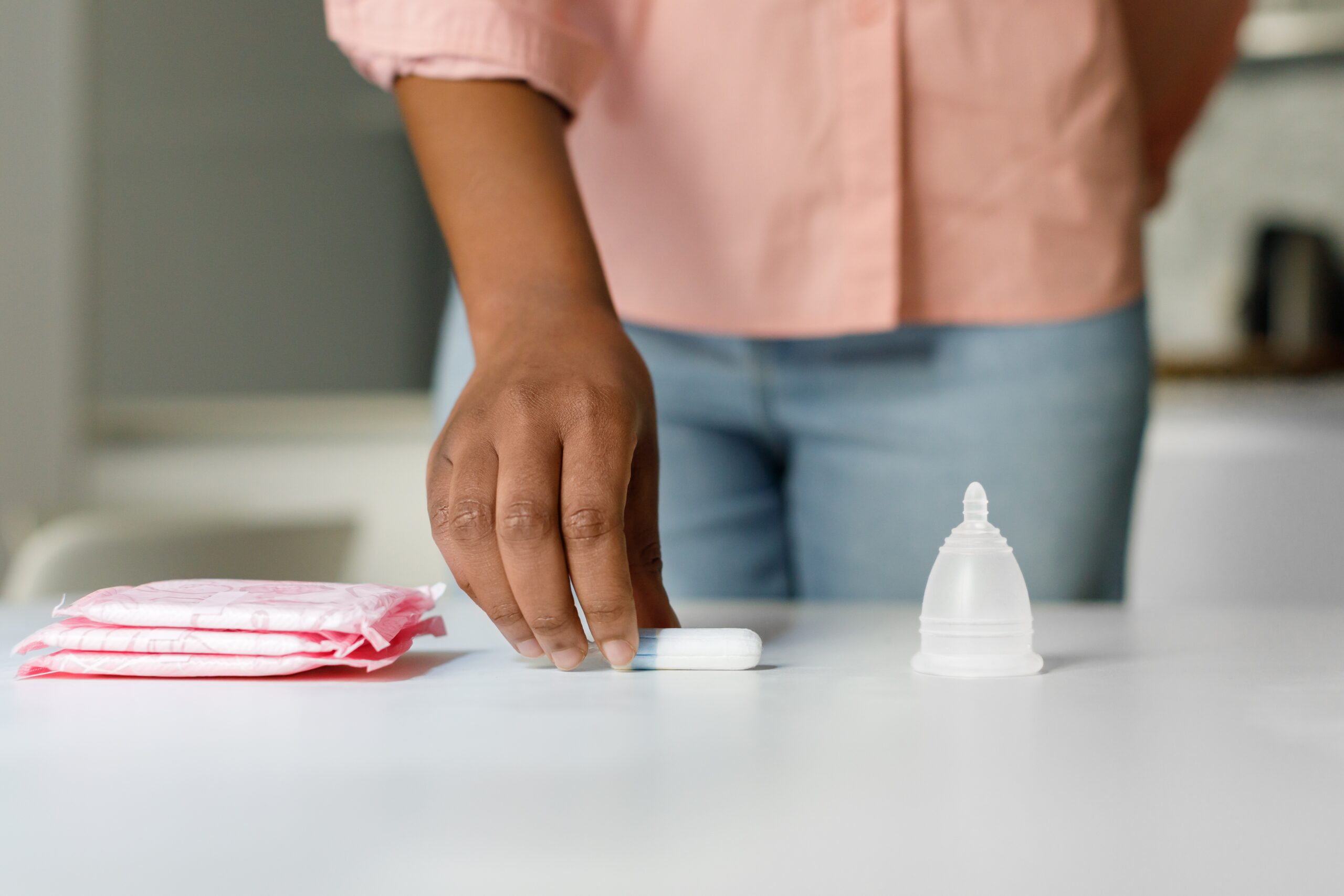
For millions of people, buying menstrual products is not optional. Yet over the past several years, that unavoidable monthly expense has quietly become a much heavier financial burden. The average price of menstrual products including sanitary pads, tampons and liners has risen nearly 40% since 2020, climbing from roughly $5.37 per unit to $7.43 per unit, according to February data from Chicago-based market research firm Circana. Dollar sales from those products have grown by nearly 30% over the same period, even as the number of units sold has dropped by roughly 6% since 2022, according to data from NielsenIQ.
That combination tells a clear story: people are spending more money and getting less product in return. And for a large portion of the population, there is no easy way to opt out.
Inflation and tariffs hit feminine care from multiple directions
Menstrual products have been caught in the crossfire of several overlapping economic pressures. The latest consumer price index data shows that inflation in personal care products in the U.S. jumped 22.1% in February compared to January 2020. But feminine care products have been hit with a compounding set of challenges that go well beyond general inflation.
Government data shows that the U.S. collected $115 million in tariffs on menstrual products containing cotton in 2025, compared with just $42 million in 2020. The U.S. imported the majority of its menstrual products from Canada, China and Mexico in 2024, according to the World Bank all three countries that have faced tariffs under policies introduced by President Donald Trump over the past year.
Major manufacturers have not been immune to those costs. Procter & Gamble, the parent company of period product brand Always, announced it was raising prices on 25% of its personal care and household products after absorbing a $1 billion annual tariff impact. Kimberly-Clark, the maker of Kotex, reported $300 million in gross tariff-related costs, with more than half tied to tariffs on goods from China.
Sarah Broyd, a partner at consulting firm Clarkston Consulting, described the situation as a triple whammy rising raw material costs, inflation across energy and supply chains, and added friction from cross-border tariffs on the plastic, pulp and other components that go into making these products. Those cost increases land on top of sales taxes that some states still apply to period products, a practice critics refer to as the pink tax. Tennessee, Mississippi and Indiana currently carry the highest such sales tax at 7%, according to 2025 data from Statista.
Shoppers are feeling the squeeze at checkout
For consumers, the math is adding up in uncomfortable ways. A pack of roughly 18 tampons that used to feel like a routine grocery run now carries a price tag that is noticeably harder to swallow, particularly for people already navigating tighter budgets.
Broyd said the widening gap between higher prices and declining sales volumes is a clear signal that consumers are looking for ways around the cost whether that means trading down to store-brand options, buying in smaller quantities or going without. She noted that these are not the kinds of trade-offs people want to make when it comes to a necessity, but for many households, the choice is increasingly between competing essentials.
Analysts and industry watchers expect continued portfolio reshuffling as companies reassess the profitability of feminine care lines. In November, Edgewell Personal Care sold its feminine care business to a Swedish company for $340 million, a move Broyd sees as part of a broader trend of larger players stepping back from lower-margin segments and making room for smaller, more nimble brands.
The rise of reusable period products
As single-use product prices climb, a growing number of consumers particularly younger ones are turning to reusable alternatives like menstrual cups, discs and period underwear. Saalt, a reusable period products company that launched in 2018, estimates that between 16% and 20% of U.S. consumers have now tried or used reusable menstrual products. The company hit eight-figure revenues in its third year of business, and its chief executive says demand has grown every year since launch.
The economics are compelling. A menstrual cup or disc in the $30 price range can last up to 10 years, potentially saving a user as much as $1,800 over its lifespan compared to continuing to buy single-use products. For Generation Z consumers in particular, that kind of long-term savings is the primary driver of the switch outranking even environmental concerns, which many in that demographic also hold.
Other companies including Knix, MeLuna and Flex have entered the reusables market and are gaining ground as more consumers reassess their options. The broader shift away from single-use products may be contributing to the steady decline in traditional tampon and pad sales recorded over the past few years.
Broyd summed up the situation in terms that resonate with anyone watching household budgets tighten: consumers who can afford to trade up to premium or organic options will do so, but everyone else is left choosing between private-label products and doing without. Neither option reflects a healthy or sustainable outcome for a product that, for many people, is simply not negotiable.
