


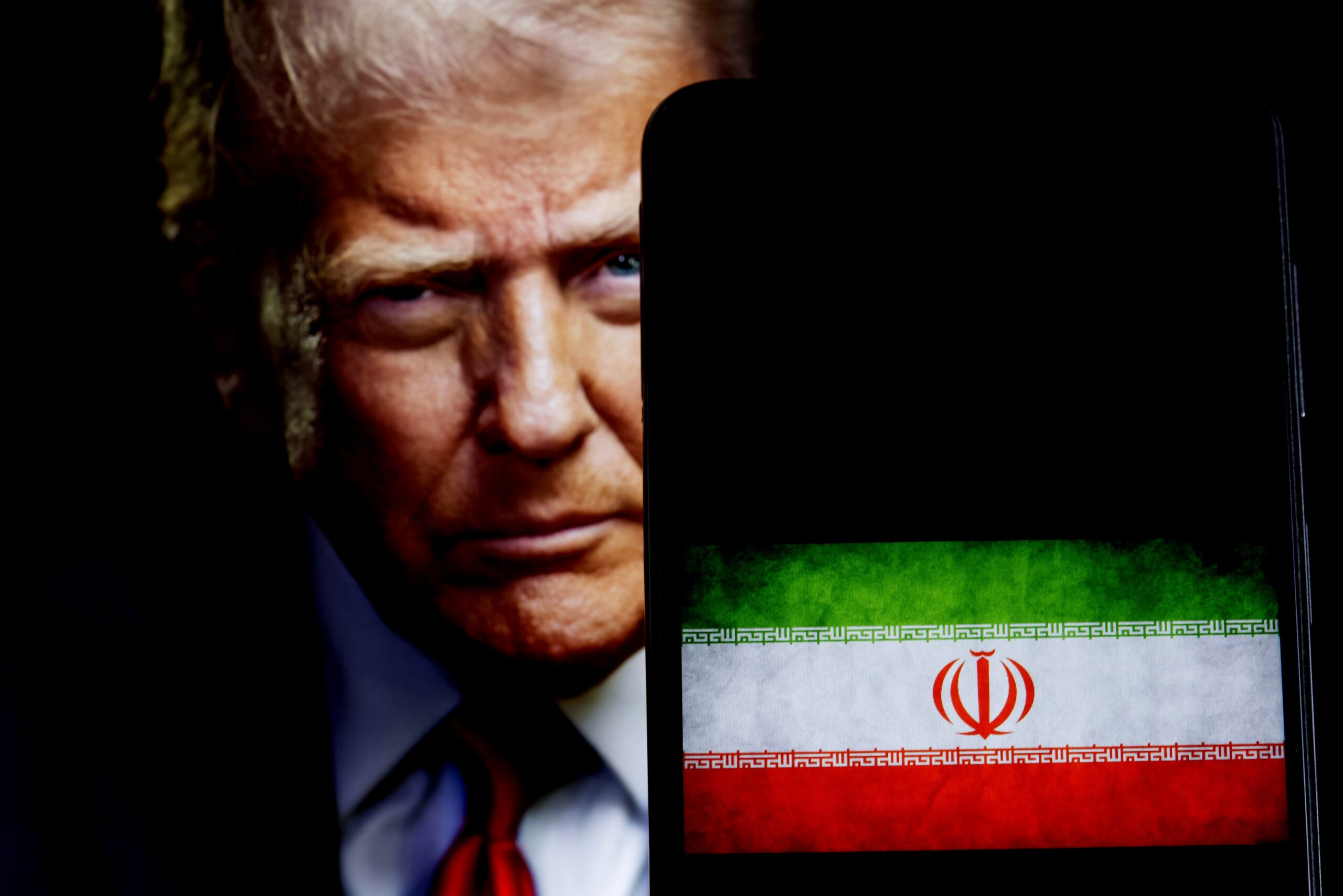
President Donald Trump said Tuesday he expects the United States to wind down its military campaign in Iran within two to three weeks, telling reporters at the White House that the mission had largely been accomplished and that other nations should take responsibility for reopening the Strait of Hormuz. The remarks came hours before the White House confirmed he would address the nation Wednesday night with what it described as an important update on Iran.
Trump framed the conflict in decisive terms, arguing that Iran’s ability to develop nuclear weapons had been eliminated and that a new government was now in place, one he described as an improvement over the leadership that existed before the war. He stopped short of calling regime change a stated goal, saying his singular objective had always been preventing a nuclear-armed Iran, and that the mission was now complete.
A deal with Tehran, he added, was not required for the US to leave.
Hormuz and the limits of Trump’s exit strategy
Even as Trump projected confidence, the wider picture remained complicated. The Strait of Hormuz, through which roughly 20% of global seaborne oil flows, has been largely closed since the conflict began, and no clear plan exists to reopen it. Trump expressed frustration with US allies for not stepping up, suggesting that nations dependent on the waterway, including China, should take the lead in clearing it themselves.
The UAE remains the only Gulf Arab state to publicly commit to joining a naval force aimed at restoring access. Bahrain is pursuing a United Nations Security Council resolution to authorize a separate maritime task force. Neither effort has produced results yet, and the broader coalition Trump has pointed to remains largely theoretical.
Iran’s foreign minister said his country was prepared for any confrontation with American forces and confirmed some contact with a US special envoy, but made clear that those exchanges did not amount to formal negotiations. Tehran, he said, has no expectation that talks with Washington will lead anywhere.
Oil markets and voters are watching closely
Energy markets have not been patient. Brent crude has surged roughly 60% since the war began, and US gasoline prices have crossed $4 a gallon for the first time since 2022. A prolonged standoff over Hormuz risks keeping prices elevated well past any ceasefire, with ripple effects on freight costs, consumer spending, and the broader economic outlook.
The political stakes are rising alongside energy prices. With midterm elections approaching in November, Republican congressional seats could come under pressure if voters connect the war’s disruption to their wallets. The White House has pushed back on that framing, arguing that short-term disruptions are an acceptable cost of a strategy aimed at long-term economic strength through tax cuts, deregulation, and expanded energy production.
A third carrier heads east as Trump talks withdrawal
The mixed signals are hard to ignore. Even as Trump spoke of leaving Iran behind, the USS George H.W. Bush carrier strike group departed Norfolk, Virginia, on Tuesday, becoming the third such group heading toward the region. Secretary of State Marco Rubio said the administration could see the finish line but cautioned that its objectives would not be wrapped up overnight. He also suggested the US would need to reassess its relationship with NATO once the conflict concludes.
Trump has also floated the possibility of targeting bridges inside Iran to push Tehran toward the negotiating table, a suggestion that sits uneasily alongside his withdrawal timeline.
Analysts note that the leverage Washington currently holds over Tehran is tied directly to its military presence. An early exit, particularly one that leaves Hormuz unresolved and European and Gulf allies pursuing a narrower mission, could hand Iran room to maneuver just as the pressure was building.
The war may be winding down in Trump’s telling. The strait, and the global economy tethered to it, is still waiting for proof.
