


The military operation was swift and decisive. The economic consequences are proving far less predictable. In the hours following U.S. and Israeli strikes against Iran on Saturday, oil markets delivered an uncomfortable signal, with the main American crude benchmark opening Sunday night above $75 per barrel, a jump of more than 10 percent in the first trading session since the attacks took place.
The strikes, which resulted in the death of Iranian Supreme Leader Ayatollah Ali Khamenei, triggered an immediate Iranian response targeting oil tankers moving through the Strait of Hormuz. That narrow waterway carries more than 20 percent of the world’s waterborne crude oil, and its disruption sends tremors through energy markets almost instantly.
The Strait of Hormuz and a familiar vulnerability
Analysts who track commodity and geopolitical risk have been quick to identify what they see as a deliberate Iranian calculation. The retaliatory strikes on oil tankers were not random. Iran understands that sustained pressure on global energy supply is one of the most effective levers available to it, and that rising gas prices represent a genuine political liability for an administration that has made energy affordability central to its domestic agenda.
Market intelligence firms have noted that shipping companies are already pausing transit through the Strait and rerouting vessels along longer and more expensive alternative paths. Those additional costs do not stay at sea. They move through the supply chain and eventually reach the pump.
Russia, meanwhile, appears to be watching the situation with considerable interest. Senior Kremlin officials have publicly signaled optimism that prolonged conflict in the region could push oil prices well above $100 per barrel, a development that would benefit Moscow’s own energy revenues at a time when Western sanctions continue to constrain its economy.
Trump dismisses the risk
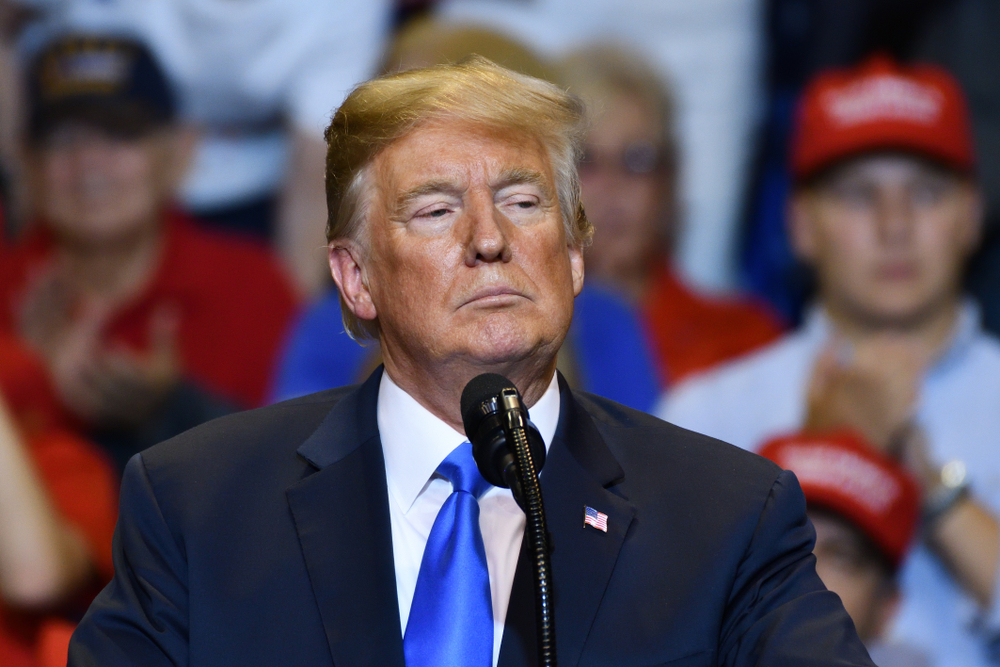
Asked directly about oil prices before the strikes were carried out, President Trump expressed indifference to the market concern, framing his priorities around national security and long-term American interests rather than near-term energy costs. The White House has not outlined a specific plan for managing the potential impact on gasoline prices, and neither the administration nor the Energy Department responded to questions on the matter.
Former administration officials and energy analysts have offered a more measured view. Some point to the current state of global crude supply, which entered this period relatively oversupplied, as a factor that could cushion the blow. Others note that U.S. warplanes have so far avoided targeting Iranian oil infrastructure directly, a deliberate choice that may help stabilize market expectations. Strikes against Iran’s naval capacity could also reduce the risk of mines being placed in the Strait, another scenario that would send prices sharply higher.
How long the volatility lasts
Analysts are divided on the duration of the disruption. Those who expect a short conflict argue that de-escalation could bring oil prices back down well before November midterm races heat up, pointing to a similar pattern following an earlier Israeli confrontation with Iran. But a prolonged engagement changes the math entirely.
Energy and national security experts familiar with the administration’s strategic thinking suggest that the decision to strike was made with full awareness of the economic risks involved, and that the threat of a nuclear-capable Iran was ultimately judged to outweigh the cost concerns. In the near term, global crude reserves and the U.S. Strategic Petroleum Reserve are expected to help offset any significant supply disruption. American oil producers could potentially ramp up output within six to nine months, particularly if elevated prices create sufficient financial incentive to do so.
The window between now and that stabilization point is what keeps analysts uneasy. The next several months, they warn, could be the most volatile the energy market has seen in years — and every cent added to a gallon of gas will be felt in living rooms and at ballot boxes alike.
