


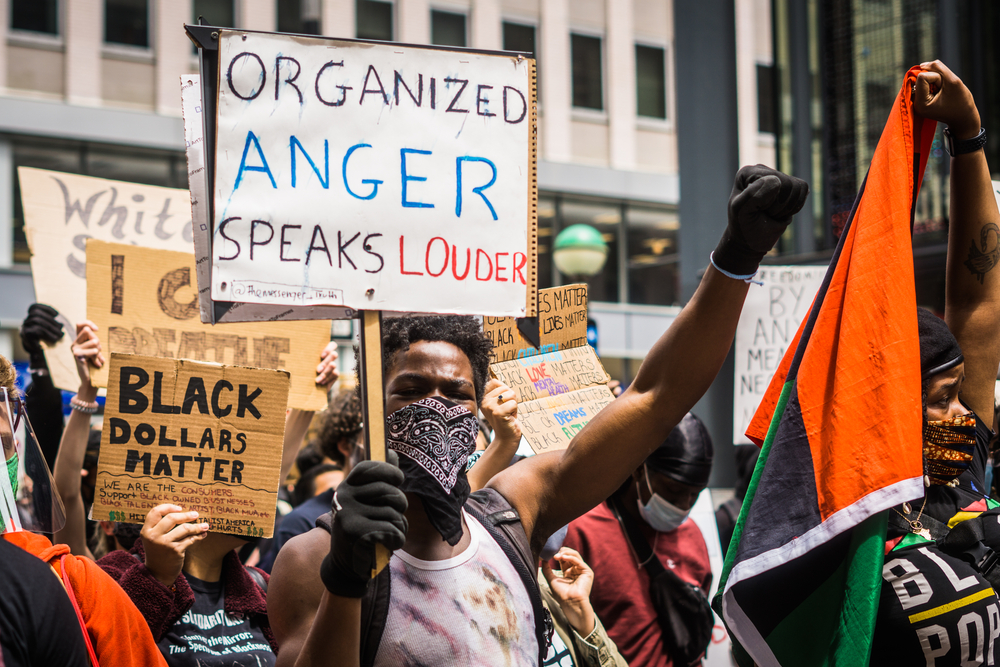
When George Floyd was murdered in May 2020, corporations, foundations and individual donors responded with an unprecedented wave of financial commitments to Black-led organizations. It felt, for a moment, like a turning point a reckoning that would translate into lasting structural change for communities that had long been underfunded.
Five years later, a report from nonprofit research group Candid and ABFE tells a different story. The funding, for the most part, did not stick. What arrived as a surge receded like a tide, and the organizations left behind are now navigating some of the most difficult financial terrain of their existence.
Smaller organizations felt it the most
The report draws a pointed distinction between larger nonprofits and those operating on smaller budgets. While some bigger organizations saw brief funding increases between 2020 and 2022, groups with annual expenses of $1 million or less experienced almost no meaningful change in their financial support. More troubling still, these smaller organizations received just over one-third of their funding from repeat supporters a figure that exposes just how fragile their financial foundations remain.
That gap matters enormously. Repeat funders are the backbone of organizational stability. Without them, nonprofits are left chasing one-time gifts that cannot sustain staffing, programming or long-term community investment.
Policy changes added to an already difficult picture
The pullback in philanthropic giving has not happened in isolation. Under the Trump administration, federal rollbacks of Diversity, Equity, and Inclusion initiatives have eliminated or threatened funding streams that many Black-led nonprofits had come to rely on. The result is a compounding of pressures less private giving at the same moment that public funding becomes more uncertain.
For organizations already stretched thin, the combination has been devastating. Many of these nonprofits serve as the last line of support for low-income families managing rising healthcare costs, food insecurity and other economic pressures. Being asked to absorb more community need while resources contract is a contradiction that leaders in the sector are increasingly vocal about.
Relationships that felt transactional, not transformational
Several nonprofit leaders describe the 2020 funding moment not as the beginning of a partnership but as a transaction one driven more by public pressure and optics than by genuine alignment with their missions.
The Resident Association of Greater Englewood, led by CEO Asiaha Butler, is one example. Founded more than 15 years ago to reshape the narrative around her Chicago neighborhood, the organization initially welcomed the new funder relationships that arrived in 2020. But as priorities shifted among those funders, the money followed. Staff hired to meet expanded community demand were later let go when the funding dried up. What looked like momentum became a management crisis.
Fundraiser Kia Croom, who works with Black-led nonprofits, observed that her clients frequently saw record corporate giving in 2020 but that the nature of those gifts rarely evolved into the kind of multi-year, relationship based support that creates real organizational stability.
Kandee Lewis, CEO of Positive Results Center in Los Angeles, described receiving new donations that arrived without any real understanding of her organization’s work or long-term goals. Support tied to a cultural moment, rather than a mission, tends not to outlast the moment.
The case for long-term investment
ABFE CEO Susan Taylor Batten points to a structural imbalance that the report makes plain: only one-third of Black-led nonprofits receive general operating support, compared to more than half of other organizations. General operating support flexible funding that organizations can direct where it is most needed is widely considered the gold standard in philanthropy because it treats grantees as capable decision-makers rather than program administrators.
The shift toward trust-based giving that has gained traction in recent years largely bypassed Black-led organizations, even as the broader philanthropic sector began to embrace it. That inconsistency is difficult to explain on any basis other than systemic bias.
Taylor Batten frames the issue in terms of mission alignment, foundations cannot credibly claim to serve communities in this country if their funding practices leave the organizations closest to those communities chronically under-resourced.
What comes next
The report is both a diagnosis and a call to action. For donors and foundations still sitting on commitments made in the wake of 2020, the window to make good on those promises has not entirely closed but it is narrowing. For Black-led nonprofits, the path forward depends on whether the philanthropic sector is willing to move from symbolic gestures to sustained investment, from one time gifts to genuine, long-term partnership.
The communities these organizations serve cannot afford to wait for another cultural moment to make that case.
