


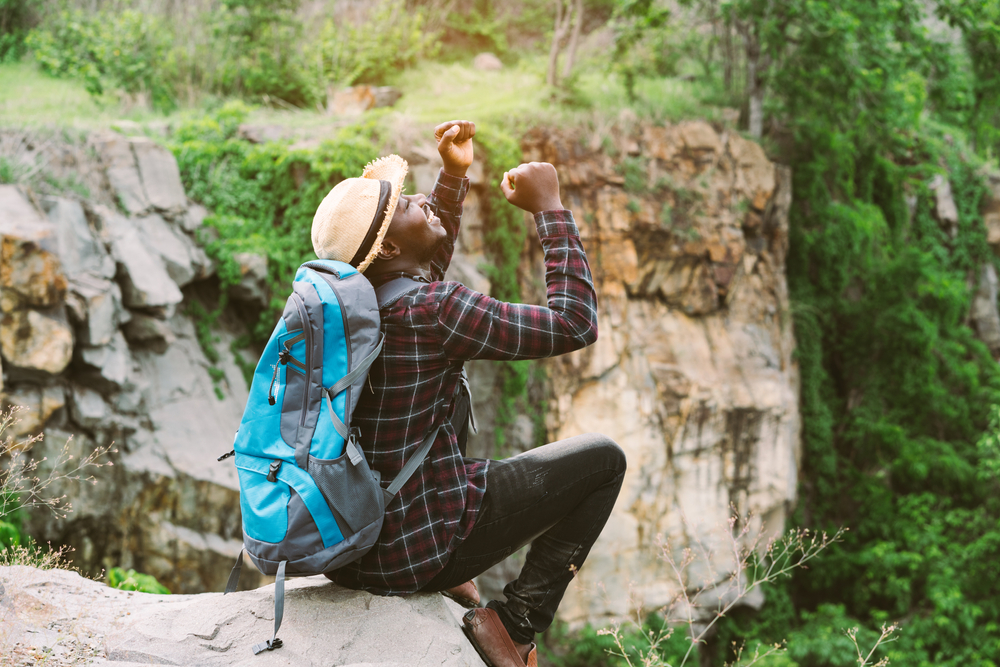
There is something undeniably magnetic about escaping into nature — no screens, no deadlines, just open trails and fresh air. But for first-timers, the gap between wanting to go and actually going can feel overwhelming. The good news is that planning a hiking trip does not have to be complicated. With the right approach, even the most inexperienced hiker can pull off a seamless, soul-refreshing outdoor getaway.
Start With the Right Hiking Destination
The biggest mistake first-time hikers make is setting their sights too high too soon. A remote backcountry expedition sounds thrilling in theory, but starting with a manageable hiking destination builds confidence and sets the tone for a genuinely enjoyable experience. Look for national parks, state forests, or nature reserves within a few hours of home. Proximity matters — especially if something goes sideways and you need to head back early.
When choosing a hiking spot, consider these key factors
- Trail difficulty — stick to beginner or moderate ratings for a first trip
- Facilities available — restrooms, ranger stations, and parking make a big difference
- Crowd levels — weekday visits tend to offer quieter, more immersive experiences
- Weather patterns — research the best season to visit your chosen destination
- Cell service and safety — know whether your location has emergency contact options
A well-chosen destination removes most of the anxiety before you even leave the house.
Pack Smart for Every Hiking Trip
Overpacking is a rite of passage for first-time hikers — and one of the fastest ways to ruin a trip. Every unnecessary pound becomes a burden on the trail. The goal is to carry everything you need and nothing you do not.
A solid beginner hiking packing list includes
- A sturdy, well-fitted backpack with padded straps
- Layers of breathable, moisture-wicking clothing
- Waterproof jacket or windbreaker
- Comfortable, broken-in hiking boots or trail shoes
- Enough water — at least two liters per person for a day hike
- High-energy snacks like nuts, dried fruit, and granola bars
- A basic first aid kit
- Sunscreen, insect repellent, and a hat
- A fully charged phone and a portable power bank
- A physical map or downloaded offline trail map
Resist the urge to bring gear you have never tested before. Wear your hiking boots around the house for a week before the trip. Break everything in ahead of time.
Plan Your Hiking Days With Flexibility
Nature trips thrive on loose structure. Having a general hiking plan is smart — knowing which trails you want to hit, where you will rest, and when to turn back keeps things safe and organized. But over-scheduling kills the magic. Leave room for unexpected viewpoints, spontaneous detours, and the kind of unhurried stillness that makes the outdoors worth visiting.
A simple rule — plan 70 percent of your hiking time and leave 30 percent open. That buffer is where the best memories tend to happen.
Respect the Trails and Environment
First-time nature travelers carry a responsibility that goes beyond personal enjoyment. The trails, forests, and wildlife that make hiking destinations so extraordinary depend on visitors who treat them with care. Follow Leave No Trace principles — pack out everything you pack in, stay on marked trails, and avoid disturbing plants or animals.
Respecting the environment is not just an ethical choice. It is what keeps hiking trails accessible and beautiful for every traveler who comes after you.
Take the First Step
The hardest part of any hiking trip is committing to it. Once the date is on the calendar and the bag is packed, everything else falls into place. Nature rewards those who show up — offering perspective, stillness, and clarity that no city break can replicate. Your first hiking adventure will not be perfect. It will be better than that. It will be real.
