


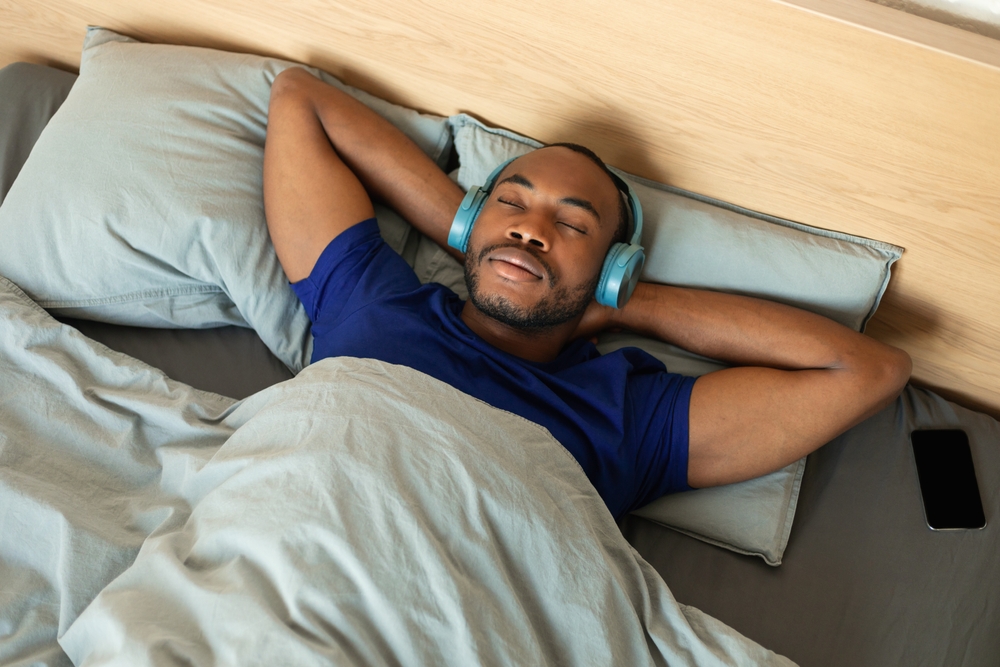
Step outside on any given day and chances are good that at least half the people you pass are wearing headphones. Whether commuting, working, cleaning the house or going for a run, headphones have become a near-constant companion for millions of people. And with that ubiquity comes a reasonable worry: is all that daily listening slowly damaging our ears?
The short answer, according to audiologists and ear specialists, is that headphones themselves are not the problem.
Why headphones are not more dangerous than other speakers
Sound is sound, regardless of where it originates. Your ears process audio the same way whether it comes from a kitchen speaker, a car stereo or a pair of earbuds. The source of the sound does not determine whether it causes damage. What matters is how loud that sound is and how long you are exposed to it.
That principle applies universally. A loud television left blaring for hours poses the same risk as loud music piped directly through headphones. Neither is inherently worse than the other as long as the volume stays at a reasonable level.
When headphones do create a specific risk
There is one scenario where headphones can edge ahead of other audio sources in terms of potential harm. Because earbuds and over-ear headphones place the sound source directly at or inside the ear canal, an accidentally high volume setting hits the eardrum with less distance to absorb it. If a device was left at full volume and headphones are plugged in without checking the level first, the immediate impact on the ear can be more intense than the same volume played through a room speaker several feet away.
The more widespread issue, however, involves background noise. When people move from a quiet office into a noisy subway car or a busy street, they instinctively turn up the volume to compete with what is happening around them. That habit of chasing clarity through louder audio is where hearing damage tends to accumulate over time.
The most effective fix is noise cancellation. Headphones with active noise cancellation allow the listener to hear audio clearly at a lower volume by blocking out competing sound rather than overpowering it. Audiologists consistently point to this feature as one of the most practical tools available for protecting long-term hearing health.
Understanding hearing loss and what the numbers mean
Sound-induced hearing loss is the most common form of hearing loss in adults, and it is permanent. The damage does not announce itself immediately. It builds gradually with repeated exposure to sounds that are too loud for too long, a combination that audiologists describe as sound dose. The louder the audio and the longer the exposure, the greater the cumulative damage to the delicate structures inside the ear.
As a general benchmark, sounds at or below 70 decibels are considered safe for extended listening. That level is roughly equivalent to a normal conversation or a running washing machine. In workplace settings, hearing protection is recommended once noise levels reach 85 decibels or higher.
Most smartphones and smartwatches now include built-in alerts that flag when listening volume crosses into potentially unsafe territory. Dedicated apps can also measure ambient noise levels in real time. But the most accurate way to know exactly how much sound is reaching your ear canal is through a professional evaluation. An audiologist can measure output directly inside the ear and help establish a personalized safe limit, which can then be locked in using the volume cap settings available on most streaming devices.
Signs your hearing may already be affected
Because hearing loss develops slowly, many people do not notice it until it has already progressed. A feeling of fullness or pressure in the ears, persistent ringing and a gradual decline in the ability to distinguish sounds clearly are all early indicators worth taking seriously. Any of these symptoms warrants a baseline hearing test and a conversation with a specialist about managing daily sound exposure going forward.
The goal is not to stop using headphones. It is to use them with the same kind of forward thinking that applies to any health habit. Sound accumulates over a lifetime, and the choices made now have consequences that often do not show up for years.
