


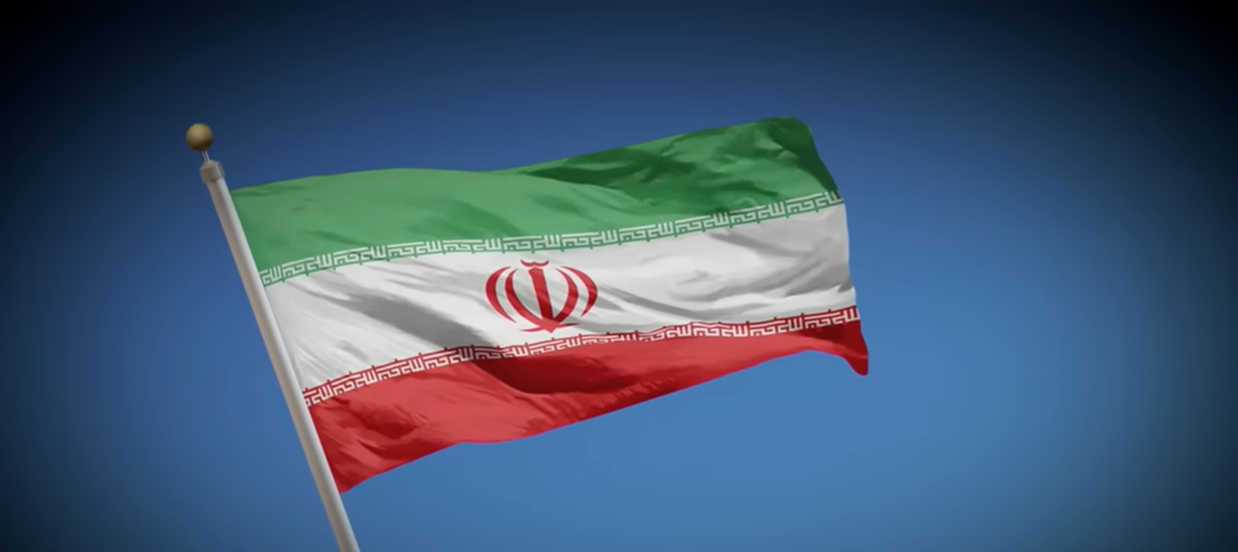
Iran has moved to reopen six of its major airports, including the capital’s Imam Khomeini International Airport, as the country finds itself managing a delicate balancing act between diplomatic restraint and mounting military pressure. The resumption of air operations comes as a ceasefire agreement with the United States edges closer to its expiration date, leaving the broader region in a state of cautious uncertainty.
6 airports clear for takeoff but passengers are still waiting
Iran’s hard line Student News Network confirmed that the following six airports have resumed operations: Imam Khomeini International Airport in Tehran, Mehrabad, Mashhad, Birjand, Gorgan, and Zahedan. Airlines have signaled their readiness to operate both domestic and international routes out of these facilities.
Despite the formal reopening, a spokesperson for Imam Khomeini Airport confirmed that no passenger flights have received official clearance as of yet, even as multiple airlines have formally requested permission to begin service. Flights are expected to commence once the necessary authorizations are issued by Iranian aviation authorities.
Iranian gunboats fire on tanker near Oman
While airports prepare to receive travelers, activity in the Strait of Hormuz has taken a more volatile turn. The United Kingdom’s maritime monitoring agency confirmed that two Iranian gunboats targeted a commercial tanker operating in the strategic waterway, roughly 20 nautical miles northeast of Oman. The tanker and all crew members were reported safe following the incident, and an investigation into the circumstances surrounding the attack is currently underway.
The episode adds further tension to an already strained security environment in one of the world’s most critical shipping corridors, through which a significant portion of global oil supply passes each day.
Iran’s Revolutionary Guard declares firm control of the strait
Iranian military officials have made their position on the Strait of Hormuz unmistakably clear. The Navy Command of Iran’s Revolutionary Guard Corps stated that the waterway will remain under strict military oversight for as long as the U.S. naval blockade continues. Officials also signaled that any failure by the U.S. to honor existing commitments would draw a direct and proportionate response from Iran’s armed forces.
Ebrahim Azizi, who heads Iran’s National Security Commission, placed the responsibility for the closure of the strait squarely on American actions, accusing former President Donald Trump of attempting to shape public perception around the ongoing negotiations in a misleading way.
U.S. naval blockade turns back 21 ships
The United States Central Command reported that 21 vessels have been turned back to Iran since the start of the naval blockade, which is intended to prevent ships from entering or leaving Iranian ports. The operation has deepened the rift between Washington and Tehran and carries wide implications for international trade routes and the global oil market.
The blockade has effectively tightened economic pressure on Iran while simultaneously raising the stakes for any future diplomatic engagement between the two countries.
Women take center stage at Army Day parade in Tehran
Amid the geopolitical turbulence, Iran’s Army Day parade in Tehran offered a different kind of image one of national solidarity. Iranian women participated in the military procession, some carrying rifles and rocket launchers while riding atop military vehicles through the capital. The display was widely seen as a deliberate statement about the role of women in Iran’s national defense apparatus and a signal of unified resolve during a particularly tense period.
What comes next as ceasefire ticks down
With the ceasefire between the U.S. and Iran set to expire soon, all eyes remain fixed on what either side does next. The reopening of airports suggests Iran is preparing for a degree of normalcy, yet the military posture in the Strait of Hormuz tells a more complicated story. Whether the two nations can extend or replace their current agreement or whether the region slides toward renewed confrontation will likely define the next chapter of an already consequential standoff.
