


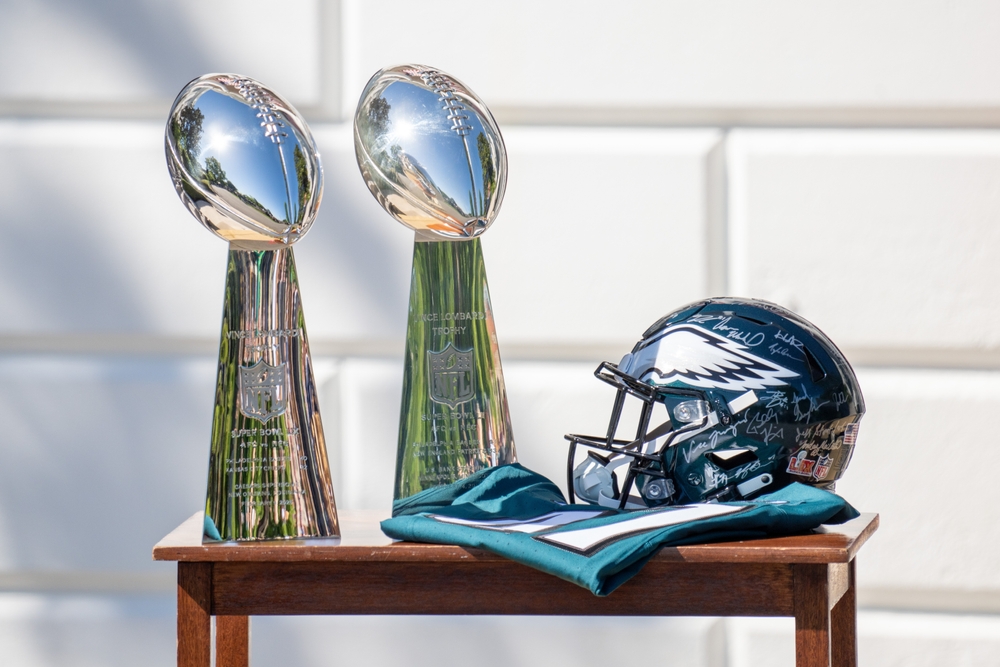
Miami has hosted 11 Super Bowls, more than almost any other city in NFL history. It will be a long time before it hosts a 12th.
Dolphins owner Stephen Ross confirmed this week that Hard Rock Stadium no longer qualifies to host the game under current NFL standards. The issue is not the building itself. It is what surrounds it. The construction of permanent infrastructure for the Miami Open tennis tournament and the Formula One Miami Grand Prix has consumed the open land around the stadium that the NFL requires for the hospitality footprint a Super Bowl demands.
Daniel Sillman, Ross’s son-in-law and the man widely expected to eventually succeed him as the franchise’s top executive, explained the situation to the South Florida Business Journal. He said that without sufficient space around the venue for the tents, activations, and corporate hospitality that come with the big game, the stadium simply does not clear the bar the league sets for prospective hosts.
Ross on losing the Super Bowl rotation
Ross has been candid about the cost of the tradeoff. He acknowledged that Miami had typically hosted a Super Bowl roughly every five years and that the city’s weather remains the best of any viable host market in the country. He said the league recognizes that, but currently does not believe the stadium meets all of its requirements and demands.
He said the organization is looking at ways to make improvements and is evaluating what the next phase of the stadium experience will look like. Ross has made significant investments in the facility before, including financing a major renovation out of pocket after attempts to secure public funding fell apart. That renovation, which added a large roof to protect fans from rain following a famously wet Super Bowl XLI between the Colts and the Bears, helped Miami land Super Bowl LIV in 2020, the last time the game came to South Florida.
Super Bowl and what comes next for Miami
The immediate outlook is bleak by Miami’s standards. The next three Super Bowls have already been awarded to Los Angeles in 2027, Atlanta in 2028, and Las Vegas in 2029. Nashville is expected to receive a future game as part of the financial arrangement tied to its new stadium for the Titans. Los Angeles and Las Vegas are likely to remain on regular rotation given the size and quality of their facilities.
That means even if Ross and Sillman move quickly on improvements, Miami is realistically looking at going more than a decade between Super Bowl appearances. The previous record gap for the city was 10 years, and that mark is now on pace to be broken with no clear endpoint in sight.
Miami Super Bowl future still possible, ownership says
Sillman told the South Florida Business Journal that he believes a solution to the space problem exists and that the organization intends to find it. The team is also said to be pursuing more international soccer at Hard Rock Stadium, which suggests the venue’s event calendar will remain packed regardless of whether a Super Bowl returns.
The broader lesson here for other NFL cities is a familiar one. As newer stadiums continue to open in markets eager to compete for major events, the pressure on existing venues to meet evolving league standards will only grow. Public financing has become a recurring part of how cities secure and keep their spot in the Super Bowl rotation.
Miami built something genuinely valuable in its stadium grounds, two world-class recurring events that draw global audiences and generate real economic activity. The cost, for now, is the game it used to count on every five years.
