


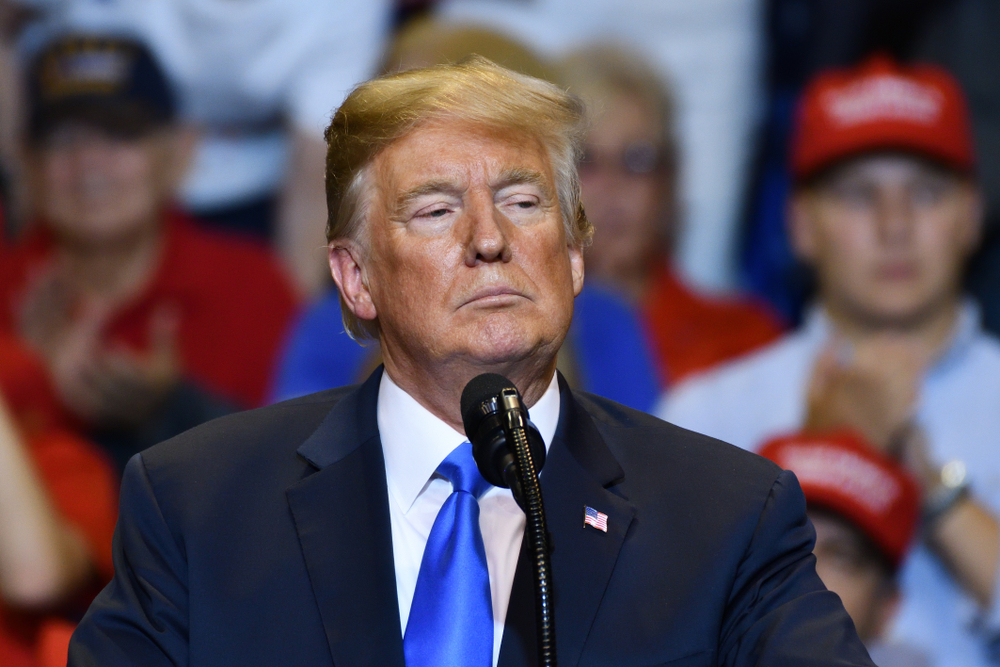
President Trump is set to travel to Beijing this week for a two-day summit with Chinese President Xi Jinping, marking the first in-person meeting between the two leaders since October and the first visit to China by a sitting American president in more than eight years. The stakes are high, and so is the skepticism from critics who argue Trump is arriving with less leverage than the administration would like to project.
The top Democrat on the Senate Armed Services Committee made that case publicly over the weekend, arguing that ongoing tensions with Iran, rising domestic prices, and shifts in American military posture have combined to weaken Trump’s negotiating position ahead of the Beijing talks.
Iran, oil, and what Trump is walking into
A central concern heading into the summit is the conflict with Iran, which has placed roughly 20 percent of the world’s oil supply under pressure through restrictions on shipping through the Strait of Hormuz. Those restrictions have contributed to elevated gas prices in the United States, with downstream effects felt across grocery stores and consumer goods more broadly.
Trump is seeking a permanent end to hostilities with Iran, but that goal is complicated by China’s close relationship with the Islamic Republic. Beijing recently directed Chinese companies to disregard American sanctions targeting Chinese refineries that purchase Iranian oil, a direct rebuff to Washington’s pressure campaign. Among those sanctioned is a large independent refinery in China identified as one of Iran’s biggest customers for crude oil and petroleum products.
Despite the sanctions, China’s energy position appears relatively stable. The country installed roughly 360 gigawatts of wind and solar capacity in 2024, representing more than half of all renewable energy additions globally that year, reducing its vulnerability to oil market disruptions in ways that limit the effectiveness of energy-based leverage against Beijing.
Trump’s military posture and Indo-Pacific readiness concerns
Beyond the economic picture, critics are pointing to shifts in American military positioning as another source of concern. Personnel and equipment have been moved from the Indo-Pacific region to the Middle East in connection with the Iran conflict, a reallocation that raises questions about American readiness in a region where China has been expanding its military footprint.
Beijing has ramped up military activity in the waters and airspace around Taiwan in recent months. Taiwan, which governs itself independently, is claimed by China as its own territory, making the balance of American military presence in the region a matter of ongoing strategic significance. Critics argue that Trump’s reduced Indo-Pacific presence, even if temporary, sends the wrong signal at the worst possible moment.
What Trump needs from the Beijing summit
The combination of high domestic prices, an unresolved conflict with Iran, Chinese defiance on sanctions, and questions about Indo-Pacific readiness is shaping the backdrop against which Trump’s Beijing summit will take place. Democratic lawmakers are vocal that these conditions do not represent a strong starting position for negotiations with what they describe as an economic and geopolitical rival.
The White House has not offered a detailed public preview of what outcomes Trump is seeking from the meeting. What is clear is that the pressure on the administration to return from Beijing with something tangible is significant, and that the talks are taking place against a more complicated backdrop than either side might have preferred.
Whether Trump’s summit produces meaningful progress or becomes another chapter in an increasingly strained relationship between the two largest economies in the world remains to be seen.
