


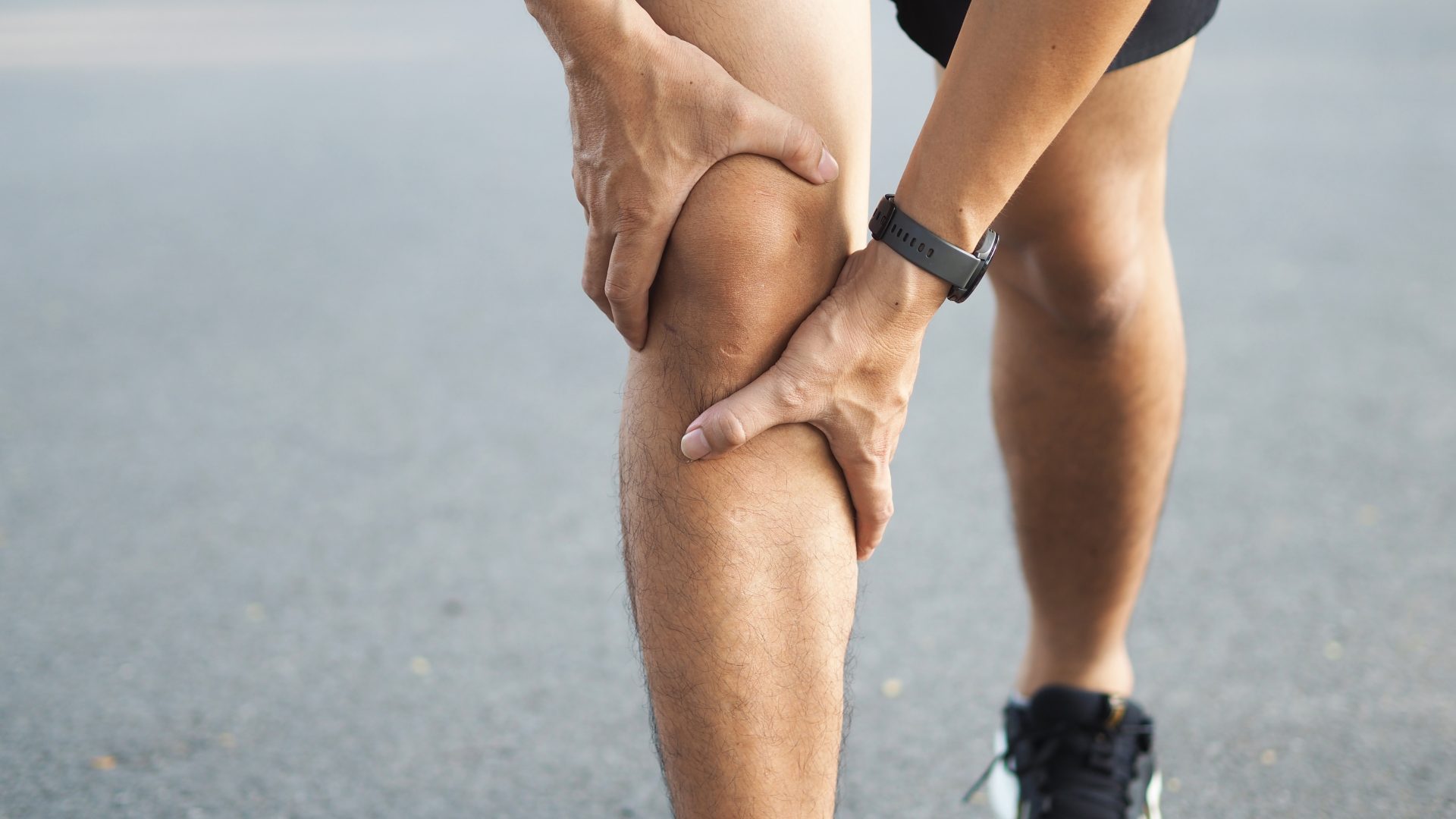
Arthritis affects tens of millions of people worldwide, and for many of them, standard medical treatments provide only partial relief. That gap has driven a significant turn toward complementary and alternative approaches, with surveys consistently showing that a large majority of arthritis patients have tried supplements, herbal remedies, or other non-prescription interventions at some point in their journey.
The landscape of arthritis remedies is vast, uneven, and often confusing. Some options carry meaningful scientific support. Others are more speculative. Here is a closer look at eleven approaches generating real discussion among researchers and clinicians, along with a few that may not deliver on their promises.
Remedies with stronger evidence behind them
Prebiotics are emerging as one of the more exciting areas of arthritis research. A study examining a daily prebiotic fiber supplement found it significantly reduced pain in people with osteoarthritis by feeding beneficial gut bacteria, which in turn influences inflammation and pain pathways throughout the body. A fiber-rich diet appears to support similar benefits for people with inflammatory arthritis by improving gut health and lowering systemic inflammation.
Turmeric, specifically its active compound curcumin, has accumulated a body of clinical trial evidence supporting its use for joint pain. Multiple randomized controlled trials have found that high-bioavailability curcumin is associated with improved pain scores and better joint mobility and function in both hand and knee osteoarthritis. Topical curcumin gel applied directly to affected joints has also shown promise in research settings.
Hot and cold therapy remains one of the simplest and most accessible tools for managing arthritis discomfort. Heat increases blood flow to a joint, improves range of motion, and can ease chronic aching and stiffness. Cold therapy is more appropriate for acutely inflamed, swollen joints, helping to reduce inflammation when applied briefly. A gel pack or bag of frozen vegetables applied for around five minutes is generally recommended over chemical cold sprays.
Capsaicin, the active compound in chili peppers, is recommended by many clinicians as an alternative to anti-inflammatory creams. Applied topically in small amounts multiple times daily, it works by blocking pain signals transmitted from the affected area to the brain.
Omega-3 fatty acids and their derivatives have long been associated with reduced inflammation, particularly in rheumatoid arthritis. Omega-3 lowers the levels of specific inflammatory compounds involved in autoimmune joint disease. A newer class of supplement derived from omega-3 called specialist pro-resolving mediators has shown early promise in reducing pain and improving quality of life for people with knee osteoarthritis in placebo-controlled research.
Mindfulness meditation has been linked in research to reduced pain intensity in people with rheumatoid arthritis. A review of multiple randomized controlled trials found consistent associations between regular meditation practice and lower reported pain levels, likely through its effects on stress and immune system regulation.
TENS machines, which deliver small electrical impulses to the skin near painful joints, are thought to work by encouraging the body’s natural painkilling response and interrupting pain signals before they reach the brain. Among people who have tried them, a significant majority report meaningful relief, particularly for back and joint-related discomfort.
Hydrotherapy, or therapeutic movement in a heated pool, consistently ranks among the highest-rated physical therapies for both osteoarthritis and rheumatoid arthritis. The resistance of water supports muscle strengthening and balance work while dramatically reducing the load on painful joints. Research in people with rheumatoid arthritis has found significant improvements in disease activity and physical function following aquatic exercise programs.
Cinnamon may offer modest benefits for women with rheumatoid arthritis. A small double-blind clinical trial found that daily cinnamon supplementation over eight weeks reduced levels of a key inflammation marker and led to fewer tender and swollen joints compared to a placebo group.
Paraffin wax bath therapy is a well-established treatment for hand osteoarthritis. Research confirms it significantly reduces pain scores and improves grip and pinch strength, and home wax bath units are widely available.
Epsom salt soaks have a long history as a folk remedy for joint pain, and a small recent study lends some support to that tradition, with participants reporting reduced pain and improved daily function after a series of Epsom salt baths. The warm water itself also appears to support better sleep, which is frequently disrupted by arthritis pain.
Remedies where the evidence is thinner
Rose hip supplements are widely used and many people report benefit, but clinical evidence remains limited. Research suggests it may modestly ease osteoarthritis symptoms, but higher-quality trials are still needed to draw firm conclusions. Trying it for a defined period to assess personal response is a reasonable approach.
CBD applied topically has attracted considerable interest as a potential anti-inflammatory pain reliever. A recent review found it shows promise for managing acute inflammatory pain, but researchers acknowledge that more work is needed before reliable clinical guidance can be offered.
Red light therapy devices, increasingly marketed for joint pain as well as skin care, have generated some positive early research but remain far from established. Reviews note potential as a non-invasive anti-inflammatory approach while stressing that questions around optimal dosage and wavelength are still unresolved. Given the cost of some devices, this is a category worth approaching cautiously.
Collagen supplements, particularly hydrolyzed collagen and Type II collagen, have shown small improvements in pain and stiffness for some people with knee osteoarthritis. The evidence is not robust enough to recommend them broadly, but a trial period of a few months to assess individual response is considered reasonable by many clinicians.
Glucosamine is among the most popular joint supplements on the market, but clinical evidence for its benefits in osteoarthritis remains mixed and generally modest. Anecdotal reports from patients suggest it helps some people with pain management and function, making it a low-risk option worth a personal trial despite the uncertainty.
